Protect Your Edges With Boho Braid Styles for Black Hair, Preview in AR
Protect Your Edges With Boho Braid Styles for Black Hair, Preview in AR
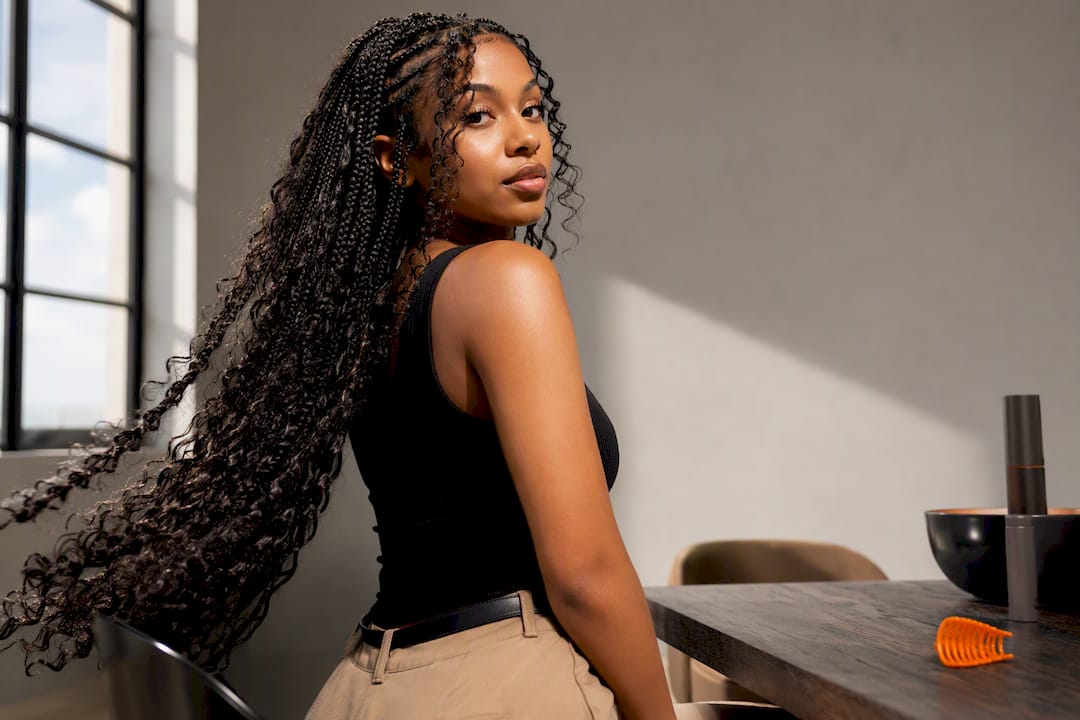
Bohemian braids are protective braids woven with loose curly or wavy pieces left hanging throughout the plait, giving the whole style a soft, undone finish instead of a sleek one. On Black hair, boho braids work as both a fashion statement and a protective style, whether you use your own curl pattern as the leave-out or blend in curly extensions. Expect to wear the style for a few weeks, with some nightly upkeep to keep the curls from matting.
TL;DR:
- Knotless boho braids are the most popular for their gentle scalp tension and seamless curly blend, suitable for sensitive edges and first-timers.
- Using water wave or deep wave textures for leave-out extensions ensures longer-lasting curls and resistance to frizz compared to synthetic fibers.
- Styles like micro braids support thinner hair and longer lengths, while shorter hair works better with bob-length or feed-in boho styles to prevent excessive tension.
- Proper care includes gentle detangling, nightly satin protection, and water-based refreshers to maintain curl definition and extend wear time.
- Virtual try-on tools help select the most flattering braid size and curl density before committing to a full install, reducing costly mistakes.
Table of Contents
- What Are Bohemian Braid Styles? 20 Looks to Try
- Choosing the Right Hair Texture and Extensions
- Getting Your Hair Ready and What Installation Involves
- How Long Boho Braids Last and How to Care for Them
- Quick Boho Braid Looks to Try This Week
- About This Guide and How StyleMyCrown Fits In
- Styling Bohemian Braids on Different Black Hair Textures
- Matching Braid Size to Your Hair Type and Curl Pattern
- Keeping the Curly Leave-Out Frizz-Free
- When Boho Braids Are Worth the Upkeep
- Try Before You Commit to the Chair
- Sources
- FAQ
What Are Bohemian Braid Styles? 20 Looks to Try
The term “boho braids” covers a wide family of braided styles. What unites them is the curly or wavy leave-out woven through an otherwise structured braid, whether that’s a knotless install, a classic box braid, or a fishtail. Here are the variations worth knowing, organized by how they are built and who they tend to flatter.
- Knotless boho braids: The most requested version right now. No knot at the root means less tension on the scalp, and the curly pieces mix in seamlessly. Great for anyone with a sensitive edge line.
- Boho box braids: Classic square-parted boxes with curly strands braided in at intervals. Best on medium to long hair that can carry the extra length.
- Feed-in boho braids: Extensions are fed in gradually from the root, creating a flatter, more natural-looking base. A solid pick for thinner edges.
- Boho knotless bob: A shoulder-length take that’s lighter on the neck and easier to maintain than longer versions. A favorite among first-timers.
- Crown or halo braids: Braids wrapped around the head like a crown, with curls cascading from the ends. Reads elegant enough for weddings.
- Messy fishtail boho braid: A fishtail plait pulled loose at the edges for texture, then finished with a curly tail. Works well on fine to medium hair.
- Waterfall boho braid: Strands drop out of the braid as you go, mimicking a cascade. More decorative than protective, best for shorter wear.
- Rope half-up boho braid: Two twisted sections rolled together at the crown, leaving the rest down and curly. A five-minute style for natural hair with length.
- Milkmaid boho braids: Two braids crossed over the top of the head. A sweet, retro-leaning look that pairs nicely with bangs or curtain fringe.
- Pull-through boho braid: Looks like a French braid but built from ponytail sections pulled through loops, which is more forgiving for shorter layers.
- Goddess boho braids: Thicker, more defined cornrow bases with generous curly leave-out. Bold, statement-making, and photograph beautifully.
- Faux locs with curly ends: Distressed locs finished with a wavy tip instead of a blunt cut. A middle ground between locs and braids.
- Butterfly locs, boho version: Already-textured locs with extra curl added at the tips for a softer silhouette.
- Micro boho braids with cuffs: Tiny braids accented with gold or beaded cuffs. Time-intensive but stunning for special occasions.
- Stacked boho braids: Braids layered in horizontal rows, each row peeking out from under the last. A good option for showing off length in stages.
- Braided boho updo: Any of the above styles gathered and pinned up, useful for keeping curls off the neck in hot weather.
- Fulani-inspired boho braids: Center cornrows with beaded accents and curly sides, blending tradition with the boho trend.
- Boho tribal braids: Geometric parting patterns with curly leave-out breaking up the lines for a softer overall look.
- Bridal boho braids: Often a crown or halo base dressed in small flowers, built to photograph well from every angle.
- Festival boho braids: Beads, thread, and ribbon woven through a knotless base, made to move on the dance floor without unraveling.
Pro Tip: If you’re new to boho braids, start with a knotless bob. It’s short enough to install in one sitting, light enough to skip the heaviest maintenance routines, and forgiving if your first attempt at curl definition isn’t perfect.
For beginners on a budget, the fastest “cheat” method is a half-up rope braid using your own hair’s natural curl as the leave-out. No extensions, no salon chair, and you can redo it daily.
Choosing the Right Hair Texture and Extensions
The leave-out is what makes or breaks a boho braid, so the material matters more here than in a standard box braid. Human hair holds up better for curly leave-outs because it’s heat-stylable and tangles less than most synthetic curl. Synthetic is cheaper and widely available, but it frizzes faster and can’t be curled again once it loses its shape.
- Water wave or deep wave textures hold their curl pattern the longest and resist tangling better than generic synthetic curls, according to guidance from CurlyNikki.
- Kinky curly extensions blend more naturally with 4A to 4C hair, which matters if you’re leaving out your own texture at the roots.
- Human-blend bundles (human hair for the leave-out, synthetic for the braided base) offer a middle ground on cost without sacrificing curl durability.
Keep the density light. Piling on too much extension weight at the base creates tension you’ll feel within days, not weeks. Lightweight, moderate density gets you the airy boho look without straining your scalp.
Pro Tip: Ask your stylist to show you the extension bundle before install. If it feels stiff or waxy straight out of the pack, it will likely tangle fast once you start sleeping and sweating in it.
Getting Your Hair Ready and What Installation Involves
Before your appointment, cleanse and deep condition, then detangle thoroughly. Blow-drying with a heat protectant (or stretching with braid-out sections) makes parting easier and helps the braids lie flatter.
- Micro boho braids take the longest, often a full day, but give you the most airy, natural-looking finish.
- Small to medium knotless braids run three to five hours and strike the best balance between install time and that lightweight boho movement.
- Boho bob-length braids can be done in under three hours, making them the fastest full install on this list.
- Knotless methods reduce root tension compared to traditional knotted braids, which matters if your edges are already thinning or sensitive.
- Blending human hair into the braid base is a technique best left to a professional. Stylists note that DIY attempts risk uneven tension and breakage, especially around the hairline.
If you’re experienced with braiding your own hair, a bob-length or half-up cheat version is realistic to attempt solo. Anything with dense curly leave-out or a full head of knotless boho braids is worth booking with a professional.
How Long Boho Braids Last and How to Care for Them
Plan on wearing boho braids for three to six weeks before the curly pieces start matting and your edges need a break. Byrdie’s braid guide notes that the curly leave-out tangles with friction and needs daily attention, which is the trade-off for that soft, undone look.
- Sleep in a large satin bonnet or on a satin pillowcase every night. Friction against cotton is the fastest way to frizz and matte curly ends.
- Pineapple the curly pieces loosely at the crown before bed if your bonnet doesn’t cover the full length.
- Refresh curls two to three times a week with a water-based braid spray, then finger-detangle gently from the ends up.
- A light mousse revives curl definition between washes without the buildup that heavy oils leave behind.
If a section mattes irreversibly, trim the affected piece rather than forcing a detangle, which can stress the braid base and cause breakage. Persistent frizz, visible new growth at the root, or tight, throbbing tension along your hairline are all signs it’s time to take the style down.
Quick Boho Braid Looks to Try This Week
- Half-up rope braid: Twist two sections at the crown, pin, and let the rest fall loose. Two minutes, no tools required.
- Messy crown braid: Loosen a halo braid at the edges with your fingers for a lived-in finish instead of a tight, polished one.
- Low fishtail chignon: Braid a loose fishtail, then coil it into a bun at the nape for an easy dressed-up option.
- Stacked braid updo: Gather rows of stacked braids into a high pony to show off length while keeping curls off your neck.
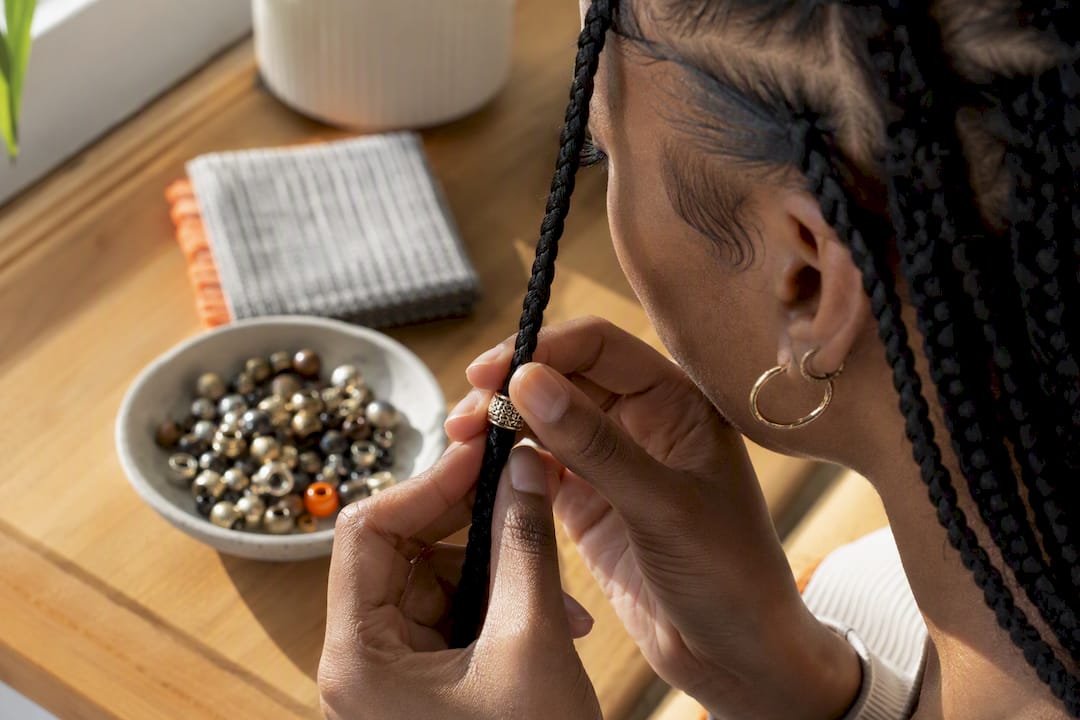
- Festival beads and ribbon: Thread small beads mid-shaft, never at the root, so they add movement without pulling on new growth.
- Low pony with face-framing tendrils: Pull most of the braids back, leave a few curly pieces loose at the temples.
A spritz of sea salt spray or a small amount of mousse rebuilds texture between salon visits, though heavy oils tend to weigh down curly leave-outs rather than define them.
Pro Tip: Anchor beads and accessories to the mid-shaft of the braid, not the root. Root-level weight is what causes traction and tension over time.
About This Guide and How StyleMyCrown Fits In
This guide was written by Christelle, drawing on published stylist commentary and established best practices for Black hair care and protective styling.
Deciding between a goddess braid and a knotless bob is easier when you can see it on your own face first. StyleMyCrown’s virtual try-on tool lets you preview more than 528 curated styles using augmented reality, with two complimentary credits to test the look before you commit. Matching curl density and braid placement to your features ahead of time means fewer wasted installs and less money spent on extensions that didn’t suit you. For readers set on the knotless route, browse knotless braid previews before booking your next appointment.
Styling Bohemian Braids on Different Black Hair Textures
Curl pattern changes how a boho braid behaves, and adjusting for it protects both the look and your scalp. On 4C hair, the tightest curl pattern tends to shrink extension leave-out visually, so slightly thicker curly pieces read better than fine, wispy ones that disappear into the coil pattern. On 3C to 4A hair, finer curly extensions blend more convincingly since the natural texture is already looser.
Edge health should guide your braid size choice, not just the look you want. Thinner or previously stressed edges do better with feed-in techniques that distribute tension away from the hairline, paired with a knotless root. If your natural hair is fragile from previous protective styles, ask for a slightly looser braid tension throughout, not just at the edges. A braid that feels tight on day one rarely loosens with wear. It just keeps pulling.
Scalp care during the style matters as much as the install itself. A lightweight, water-based scalp oil applied along the parts two to three times a week prevents the dryness and flaking that dense braided styles can cause, without adding grease buildup at the roots. Avoid heavy pomades directly on the scalp. They trap sweat and product residue against skin that’s already covered for weeks at a time.
Watch for early warning signs that a style needs adjusting: persistent tenderness along the hairline, visible bumps at individual braid roots, or headaches that start within the first two days. None of those are normal breaking-in pain. They’re signs the tension needs to be redone before it causes real damage to your edges.
Matching Braid Size to Your Hair Type and Curl Pattern
Braid size is the single biggest factor in whether a boho braid actually looks airy and effortless or heavy and overdone. Fine or thin natural hair generally can’t support micro braids without excessive tension on the scalp, so medium-sized knotless braids are the safer, more sustainable choice. Thicker, denser natural hair has more built-in support for smaller braids, which is part of why micro and small knotless installs create that lightweight boho finish stylists favor for the trend.
Length matters as much as thickness. Shorter natural hair, think chin to shoulder length, pairs better with bob-length boho braids or feed-in styles that don’t require excessive length to look intentional. Longer natural hair has more flexibility to carry goddess braids, stacked styles, or halo crowns where the curly leave-out needs enough length to actually cascade.
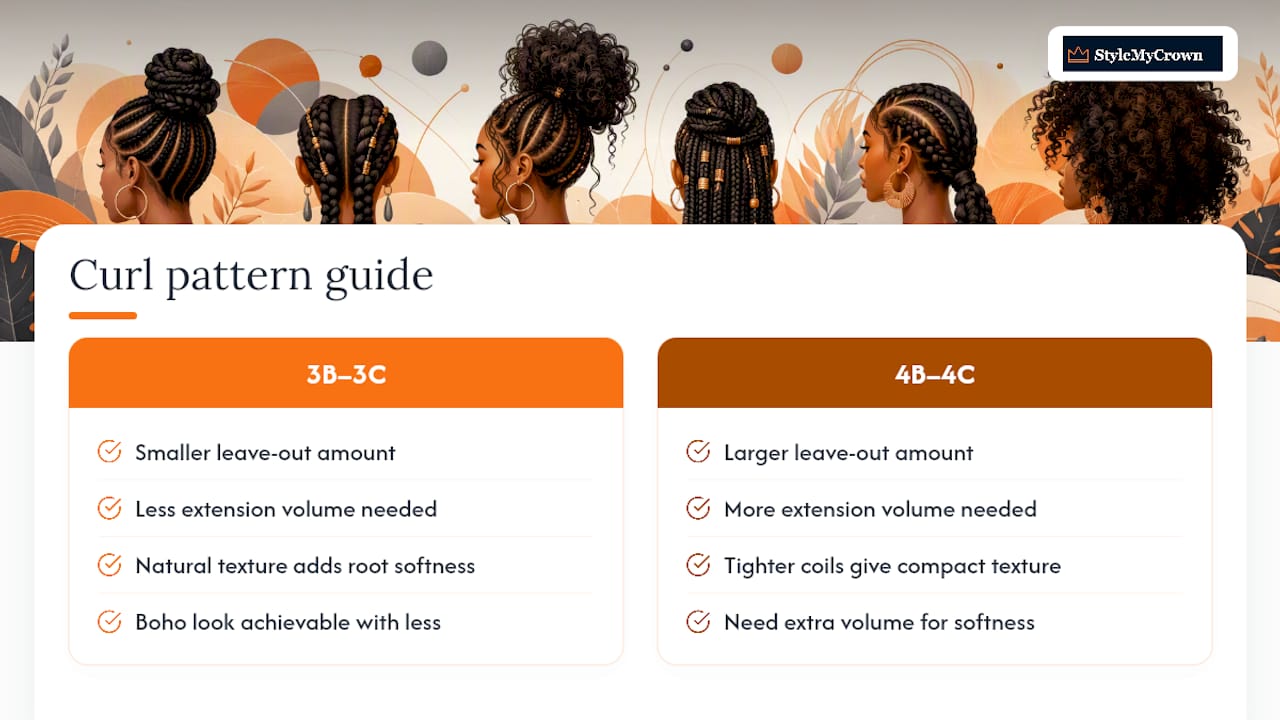
Curl pattern affects which style reads as “boho” versus simply “curly braids with extensions.” Looser natural curl patterns (3B to 3C) can get away with smaller amounts of curly leave-out because the natural hair itself contributes texture at the root. Tighter patterns (4B to 4C) generally need a bit more curly extension volume to achieve the same visual softness, since the natural coil pattern is already compact.
If you’re unsure which combination will actually suit your face and hair type, that’s exactly the kind of decision worth testing virtually before committing to hours in a salon chair and money spent on extensions.
Keeping the Curly Leave-Out Frizz-Free
The curly leave-out is the highest-maintenance part of a boho braid, and treating it like the rest of the braided base is the most common mistake people make. Braided sections stay put once installed. Curly leave-out moves, rubs against clothing and pillowcases, and dries out faster because it’s fully exposed rather than protected inside a braid.
A daily light misting with a water-based leave-in spray, followed by a small amount of curl cream or mousse rubbed between the palms and smoothed downward, keeps definition without buildup. Skip anything heavy or oil-based as a primary product. Oils sit on top of the curl rather than absorbing, which speeds up frizz rather than preventing it.
Detangling the leave-out needs a gentler touch than detangling loose natural hair. Start from the ends with fingers or a wide-tooth comb, working upward in small sections, and stop the moment you feel resistance rather than forcing through a knot. Aggressive detangling on matted curly extensions can compromise the braid base itself, which risks pulling out sections that were installed correctly.
Nighttime protection deserves its own routine. Gather the curly pieces loosely, wrap them (don’t cinch tightly) with a silk or satin scarf, and sleep on a satin pillowcase as backup. Cotton pillowcases pull moisture out of curly extensions overnight and are one of the fastest routes to matting before the three to six week mark. If you notice one section frizzing far faster than the rest, it’s often a sign that section is getting more friction exposure than others, so adjust how you wrap or part it before it spreads.
When Boho Braids Are Worth the Upkeep
Boho braids earn their popularity honestly. They photograph beautifully, they protect natural hair for weeks at a time, and that curly leave-out gives a softness that a tight, sleek braid just doesn’t offer. I’d point anyone toward this style for a wedding season, a vacation, or simply wanting a change that still counts as protective styling.
The trade-off is real, though. Boho braids ask more of you between wash days than a classic box braid does, and the curly pieces will frizz faster than you expect if you skip the satin bonnet even once. If the daily upkeep sounds like more than you want to take on, a lower-maintenance protective style might serve you better right now.
Before booking anything, preview a few variations on your own photo and see which curl density and placement actually flatter your face shape.
— Christelle
Try Before You Commit to the Chair
Committing to a full boho install, buying the right water wave bundles, and sitting in a chair for hours only to realize the style isn’t quite right for your face is an expensive mistake to make. A virtual try-on tool lets you skip that risk entirely: preview hundreds of curated styles on your own photo using augmented reality, so you know how a goddess braid or a knotless bob actually looks on you before you spend a dime on extensions or a salon booking.
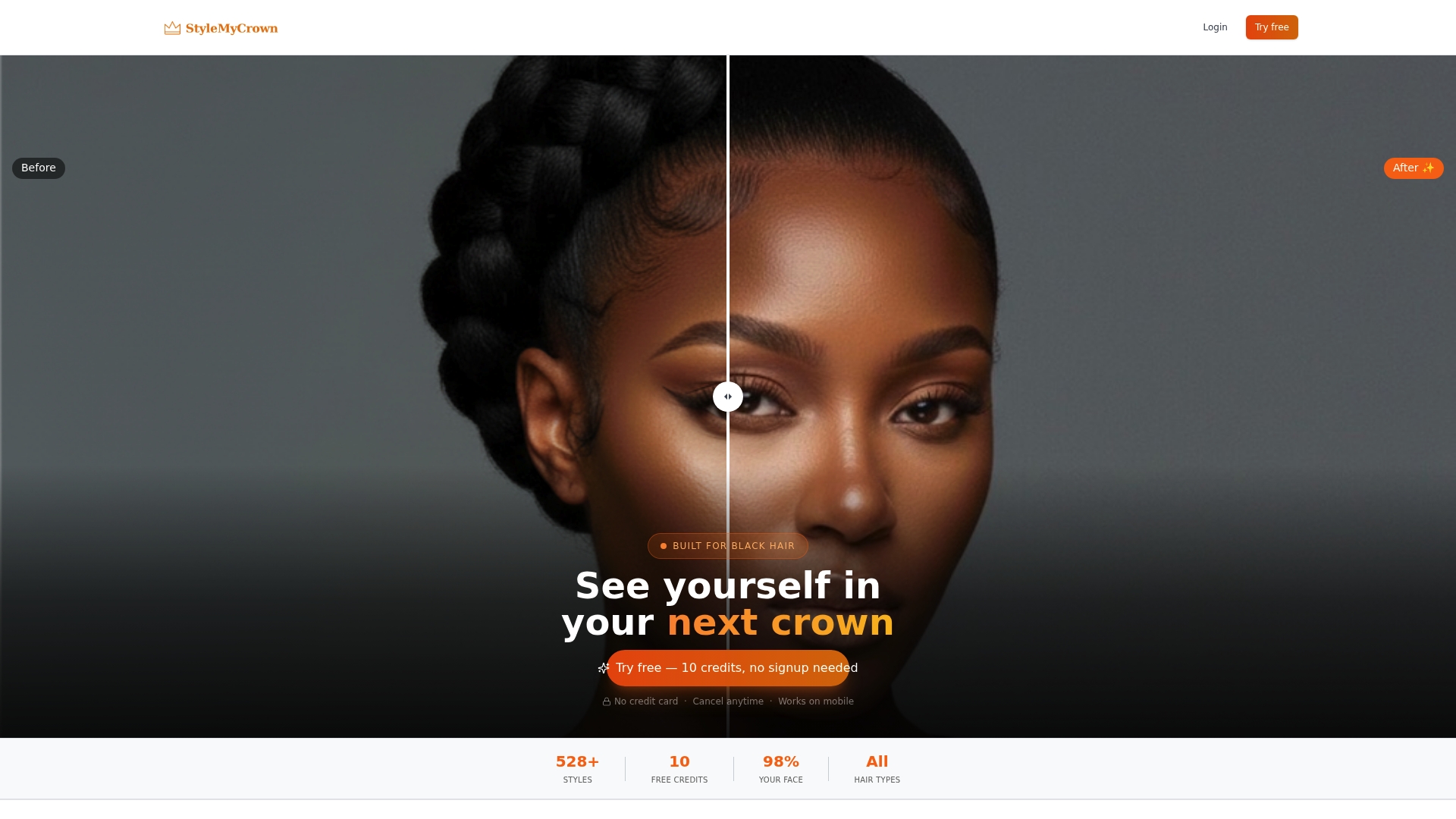
Some complimentary credits are usually enough to test two or three boho variations side by side. Once you see how curl density and braid placement sit against your own features, choosing between a halo crown and a stacked updo gets a lot less stressful. If you’re ready to move from preview to a real install, browse the stylist catalog to find someone who specializes in the boho technique you landed on.
Sources
For deeper reading on boho braid maintenance, Byrdie’s install-to-maintenance guide covers daily care in detail. Allure’s reporting on the trend explains the skill involved in blending human hair. CurlyNikki’s protective-style breakdown is useful for extension texture choices.
- The Ultimate Boho Braids Guide—From Install to Maintenance
- Allure coverage of boho braids and expert commentary
- Boho Braids: 2026 Guide to Bohemian Box Braids & Curly Styles
FAQ
What’s the difference between bohemian and gypsy braids?
The terms are largely used interchangeably in most salons and on social media, both describing braids with curly or wavy leave-out pieces woven through for a relaxed finish. Some stylists use “gypsy braids” specifically for looser, more piece-y styles, but there’s no strict industry line between the two names.
Are there different types of boho braids?
Yes. Boho braids span knotless boho, boho box braids, feed-in styles, crown braids, fishtails, goddess braids, and faux locs with curly ends, among others, each suited to different hair lengths and textures.
What are the braid trends heading into 2026?
Knotless boho braids with water wave leave-outs remain the most requested style for their lighter tension and natural movement, alongside stacked braid updos and bridal-leaning halo crowns for special occasions.
What is the prettiest type of braid?
That depends entirely on your face shape, hair length, and how much curly leave-out you want, which is exactly why previewing a few options on your own photo through a tool like StyleMyCrown beats guessing from someone else’s photo.


