Texture First Wig Colors for Dark Skin, Match Your Undertone in AR
Texture First Wig Colors for Dark Skin, Match Your Undertone in AR
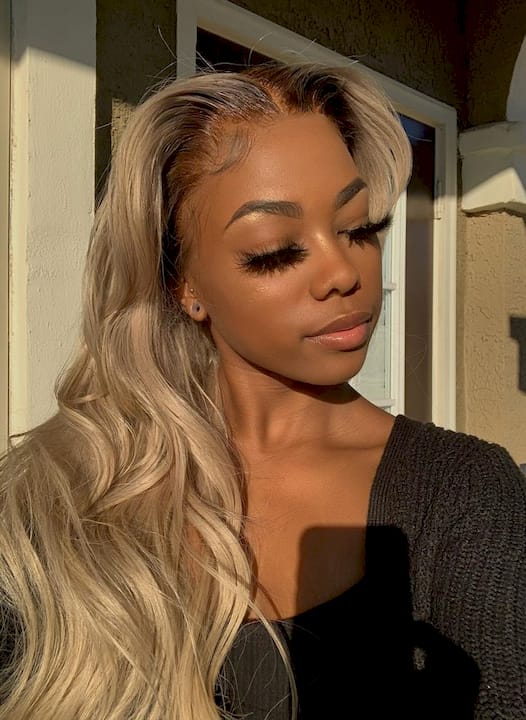
Rich browns, warm reds, golden blondes, true blacks, and select jewel-toned fashion shades flatter dark skin more reliably than any other group. The rule that decides everything: match or complement your undertone, and use balayage, ombre, or root shadow whenever you go lighter or bolder. For wigs specifically, darker roots and a pre-plucked hairline are what make any of these colors read as real hair instead of a costume.
TL;DR:
Choosing wig colors that match or complement your undertone, such as warm reds or golden blondes for warm skin and cool tones for cool skin, ensures a natural look.
Techniques like root shadowing, balayage, or highlights are essential for creating dimension and avoiding a flat, artificial appearance with lighter or bolder colors.
Use the vein, jewelry, and photos in natural daylight tests to accurately determine your undertone and avoid costly color mismatches.
Darker roots and pre-plucked hairlines improve realism, especially when going for dramatic or color-enhancing styles.
Brown, burgundy, and rich black-brown shades tend to be more forgiving, fade less quickly, and blend better with regrowth for low-maintenance deep skin looks.
Table of Contents
Best Wig Color Groups for Dark Skin
Deep skin holds color in a way lighter skin simply can’t. It absorbs light instead of reflecting it, so shades that would look flat or chalky on a fair complexion turn rich and dimensional on you. Here’s how the major color families break down.
Browns. Chocolate, espresso, and chestnut brown are the shades stylists reach for first because they’re forgiving. Brown never clashes with warm or cool undertones the way blonde or red can, and it hides regrowth better than almost anything else on this list. If you want one wig color that works with every outfit and every season, brown is it.
Reds. This family splits into two camps, and mixing them up is the most common styling mistake. Warm reds, copper and auburn, pull toward orange and gold and look best on warm undertones. Cool reds, deep burgundy and wine, lean blue based and suit cool undertones. Burgundy and copper both read as flattering on dark skin, but they’re flattering for opposite reasons, which is why undertone matters more than the color name.
Blondes. Honey, caramel, and chestnut blonde are the three shades that consistently work on deep and medium brown skin. Ashy or platinum blonde tends to fail because it strips the warmth that dark skin needs to look healthy rather than washed out.
Blacks and fashion shades. Jet black gives maximum contrast and a sleek, polished finish. Natural black-brown is softer and blends more easily with your own hairline. Fashion colors, think emerald, deep plum, or a rich blue, work best as accents rather than an all-over commitment.
How to Determine Your Undertone for Wig Colors
Guessing your undertone is where most wig color regrets start. Two quick checks settle it in under a minute.
-
Check your veins. Look at the inside of your wrist in natural light. Green veins mean a warm undertone. Blue or purple veins mean cool. Can’t tell? You’re likely neutral.
-
Check your jewelry. Gold jewelry that makes your skin glow points to warm. Silver that looks crisper and brighter against your skin points to cool. Both look equally good? Neutral again.
-
Match the family, not just the color. Warm undertones lean into golden blonde, copper, and auburn. Cool undertones lean into blue-based reds, burgundy, and ash-tinted browns. Neutral undertones can wear both, which is the real advantage of landing in that category.
-
Stay within one to two shades of your natural color for the most natural-looking result, then build out from there once you’re confident in the base.
-
Break the rule on purpose when you want contrast. A jet black wig against warm brown skin, or a bold copper against deep cool skin, can look stunning precisely because it’s intentional rather than accidental.
The vein and jewelry tests aren’t foolproof, but they’re a faster starting point than trial and error with a $200 wig.
Techniques That Make Bold or Light Colors Wearable
Going lighter doesn’t have to mean going flat. The techniques colorists use to keep dimension are the same ones that keep a wig from looking like a wig.
-
Root shadowing. Darker roots blended into a lighter length keep the color grounded and make regrowth a non-issue since there’s no sharp line to grow out.
-
Balayage and ombre. Both blend a lighter shade into a darker base with soft, hand-painted transitions, which is how you wear honey blonde or a pastel accent without losing depth.
-
Highlights and lowlights. Thin ribbons of lighter and darker color add movement to a wig the way they would to natural hair, breaking up a flat, one-tone cap.
-
Pre-bleached vs. custom color. A pre-bleached blonde base is easier to find off the shelf, but a custom-colored unit gets your exact undertone match. Worth the wait if the shade matters more than speed.
-
Lace-front and pre-plucked construction. These give a realistic parting and natural hairline, which matters even more once the color is dramatic enough to draw eyes toward the root.
Pro Tip: Ask for the root two shades darker than the mid-length when you order a balayage wig. That gap is what sells the “grown, not glued on” look in photos.
Keeping Colored Wigs Low Maintenance and Real Looking
Color fades faster on wigs exposed to sun and heat than most people expect, and synthetic fibers fade differently than human hair. A purple toning shampoo keeps blondes from turning brassy, and a gloss treatment every few weeks refreshes reds before they dull.
-
Choose brown, black, or auburn if low maintenance matters more to you than novelty. These fade the slowest and blend easiest with regrowth.
-
Check the lace tint against your skin before you commit. A lace that’s too pink or too yellow undercuts even a perfect color match.
-
Confirm hairline density looks natural at your part, not just at the edges.
-
Keep a small bottle of root touch-up powder on hand for a same-day fix between full color refreshes.
Turning Inspiration Photos Into a Real Wig Order
Shade numbers on wig listings look like a foreign language until someone translates them. #613 usually means a bleached platinum blonde base ready for toning or customization. #27 is a warm honey blonde. #99J is a deep wine red, the kind that photographs beautifully on cool undertones. Knowing these numbers means you can search with precision instead of scrolling blind.
-
Screenshot your reference photo and note exactly what’s lighter (ends, parting, face-framing pieces) versus what stays dark.
-
Write a specific request, something like “caramel honey blonde with root shadow and pre-plucked 13x4 lace,” rather than a vague “I want it like this picture.”
-
Specify parting and density in the same message. Sellers and stylists can’t guess how deep you want the part or how thick you want the hairline to look.
-
Ask about lace color separately from hair color. A gorgeous shade on a mismatched lace tint still looks unnatural in photos.
How AR Try-On Takes the Guesswork Out of Color
Reading about undertones only gets you so far. Seeing a shade on your actual face, in your actual lighting, is what makes the decision stick.
-
An augmented reality tool previews hundreds of curated styles built specifically for Black hair textures, so you can test a color against your real skin tone before spending a dollar.
-
Complimentary credits let you try various colors on your own photo and check how the undertone, parting, and hairline actually sit.
-
For texture-specific advice beyond color, Stylemycrown’s blog covers everything from bangs to protective styling with the same practical approach.
Matching Wig Color to Deep, Medium, and Olive Skin
Dark skin isn’t one shade, and treating it that way is how generic advice fails people. Deep skin, the richest, most melanin-dense end of the spectrum, tends to carry warm or neutral undertones and handles the most saturated colors without losing its own richness. Jet black, deep burgundy, and true chocolate brown all look striking against deep skin because there’s enough natural depth to hold the contrast.
Medium brown skin has more room to experiment. Warm honey blonde, chestnut, and copper all sit comfortably here, and this is often the range where a cool-toned ash brown can also work if the undertone leans neutral. Medium skin tends to show the widest range of “safe” options simply because it sits between the two extremes.
Olive-toned dark skin is the trickiest because olive carries a green cast underneath brown or deep skin, which reads as a cool-neutral undertone. Gold-heavy blondes can sometimes clash here, pulling too yellow against the green undertone. Warm brown, auburn with a red bias rather than orange, and deep burgundy tend to work better than golden shades for olive-leaning skin. If you’re olive and unsure, lean toward the red family before the blonde family.
Why Lighting Changes How Your Wig Color Looks
A wig that looked perfect in the store can look completely different by the time you get home, and it’s rarely the wig’s fault. Warm indoor lighting, the yellow-orange glow from incandescent or soft LED bulbs, intensifies gold and copper tones and can make a neutral brown look almost bronze. Cool fluorescent lighting, common in retail stores and office bathrooms, does the opposite: it flattens warmth and can make a rich auburn look muddy or brown.
Natural daylight is the most honest test. Outdoor light near a window shows a color’s true depth and whether it actually complements your skin rather than just looking good under a filtered bulb. This is exactly why a color that photographed beautifully on an influencer’s ring-lit video might sit differently on your skin at your kitchen table.
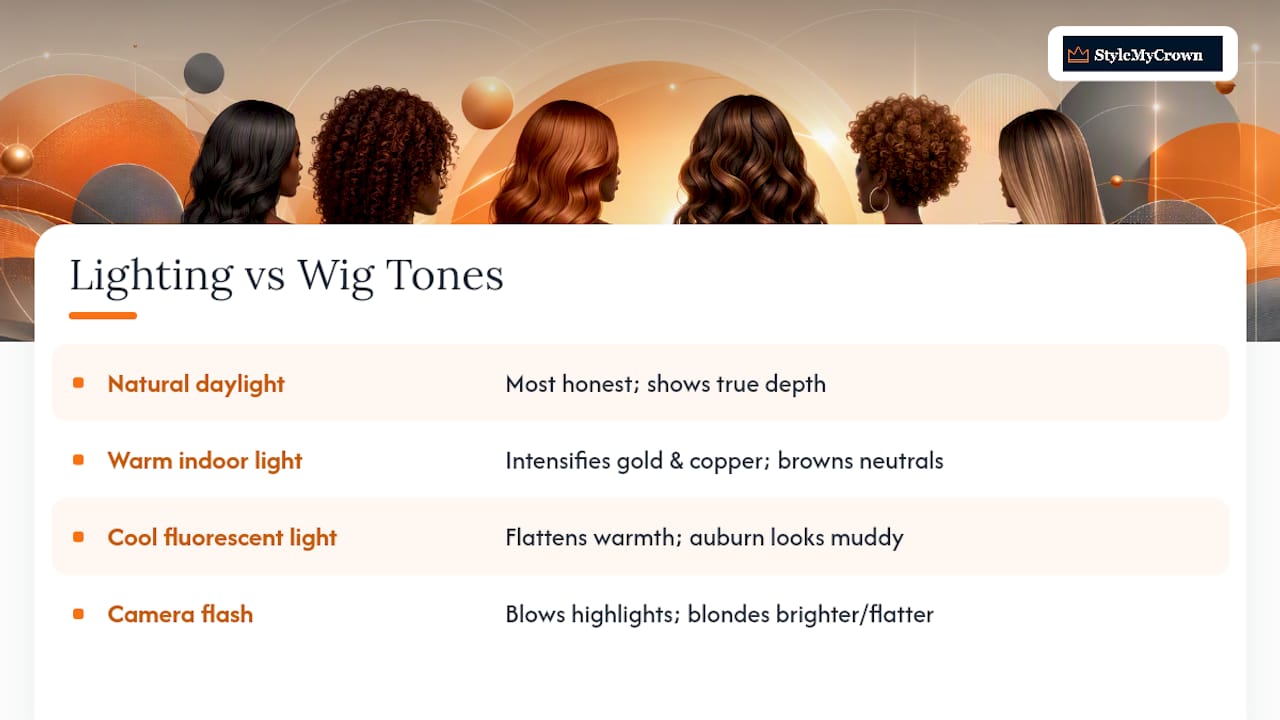
Camera flash adds another layer of distortion, often blowing out highlights and making blondes look brighter and flatter than they are in person. If you’re choosing a color primarily from photos or video, factor in that the lighting in that image is doing some of the flattering for you. Whenever possible, check a wig’s color swatch in both warm indoor light and daylight before deciding it’s the one.
Styling Around Your Wig Color: Makeup and Accessories
The right wig color sets the stage, but makeup and accessories are what finish the look. Warm wig shades, honey blonde, copper, auburn, pair naturally with warm-toned makeup: bronze eyeshadow, terracotta blush, and gold-flecked highlighter all echo the same warmth already happening at the hairline.
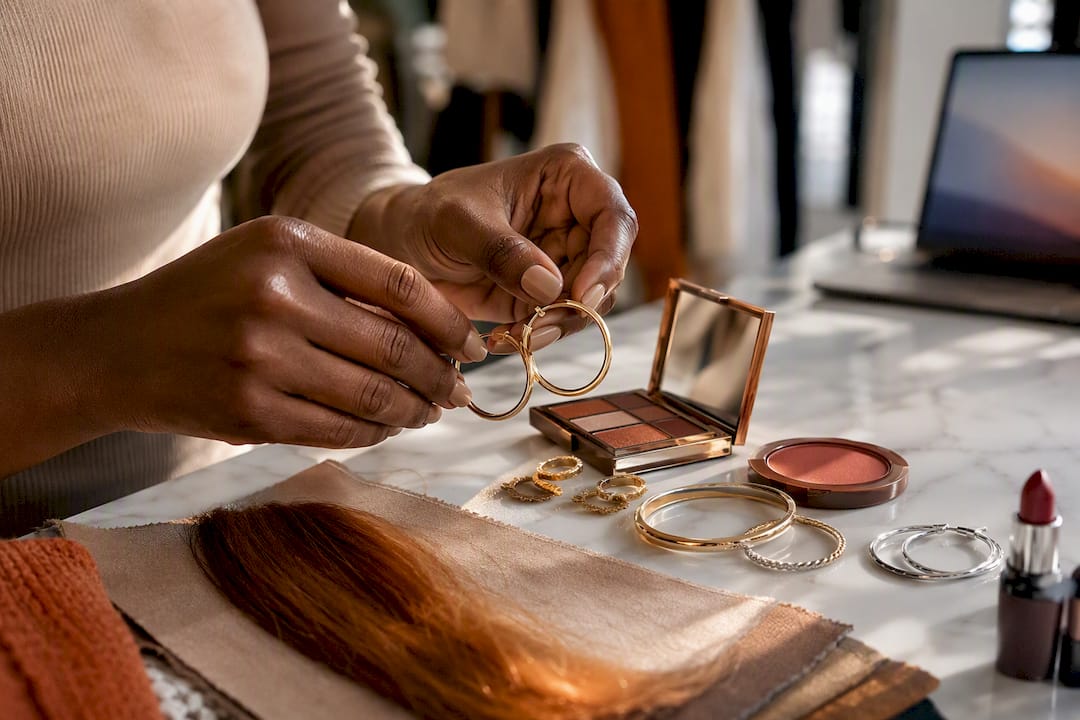
Cool wig shades, burgundy, jet black, ash-leaning brown, tend to look sharper with berry or plum lip colors and silver-toned highlighter rather than gold. This isn’t a strict rule, but matching the temperature of your makeup to the temperature of your wig color keeps the whole look cohesive instead of fighting itself.
Accessories follow the same logic. Gold hoops and warm-toned headscarves complement honey and copper wigs. Silver jewelry and jewel-toned accessories, emerald, sapphire, deep plum, tend to sit better against jet black or burgundy. Even the color of your glasses frames or the scarf you tie around a wig cap can either support or undercut the undertone work you already did when picking the shade.
Common Mistakes When Choosing Wig Colors for Dark Skin
The single biggest mistake is choosing a color because it looked good on someone else’s Instagram without checking whether that person’s undertone matches yours. A honey blonde that lit up a warm-undertone influencer’s face can look dull on a cool-undertone viewer trying to recreate it.
Going all-over light without any root shadow is the second most common misstep. A flat, single-process blonde or an unbroken pastel with no darker root reads as artificial almost immediately, no matter how good the color itself is. Skipping the lace tint check ranks third. People spend all their attention on the hair color and none on whether the lace matches their skin, which is often the detail that gives a wig away as a wig.
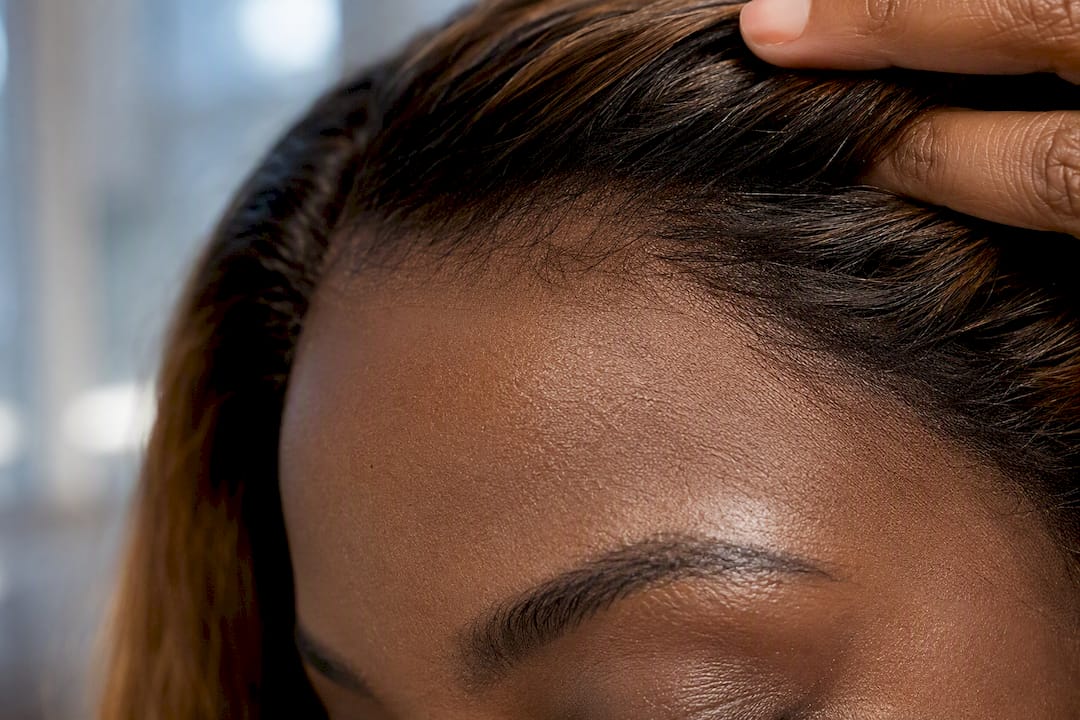
Buying platinum or ash-toned shades without testing them against your specific undertone is another frequent regret, since ashy and platinum tones are consistently flagged as less complementary for dark skin than golden or honey-based blondes. And finally, jumping straight to a dramatic fashion color without starting with highlights or balayage often creates harsh contrast instead of the dimensional look most people are actually going for.
Celebrity and Influencer Color Inspiration Worth Studying
Some of the most useful wig color inspiration doesn’t come from a single dramatic look, it comes from watching how public figures pair color with their specific undertone. Deep burgundy and wine-toned wigs have become a recurring red-carpet favorite among performers with deep, cool-leaning skin, precisely because that shade family reads as rich rather than harsh under stage lighting.
Honey and caramel blonde units, often styled with a visible darker root, show up constantly on influencers with medium brown, warm-undertone skin. That root shadow isn’t an accident. It’s the detail that separates a flattering blonde transformation from one that looks bleached and flat. Auburn has had a similar moment, particularly on creators experimenting with copper-toned wigs that lean warm and orange rather than the cooler, more muted auburns.
The common thread across almost every well-received celebrity color change isn’t the specific shade. It’s that the color was chosen with the person’s undertone in mind, then executed with enough dimension (root shadow, balayage, subtle highlights) to look grown rather than applied.
Christelle’s Quick Texture-First Checklist
Before you commit to any wig color, run through three steps: check your undertone with the vein or jewelry test, choose a dimensional technique like balayage or root shadow if you’re going lighter or bolder, then preview the shade with AR or a physical swatch against your actual skin. Color is one of the most reversible choices you’ll make in this space. Experiment boldly, just check your undertone first.
— Christelle
Try Wig Colors Risk-Free With Stylemycrown
Stylemycrown gives you something a store swatch never can: a real preview of how a color sits against your own skin, in your own lighting, before you spend a cent.
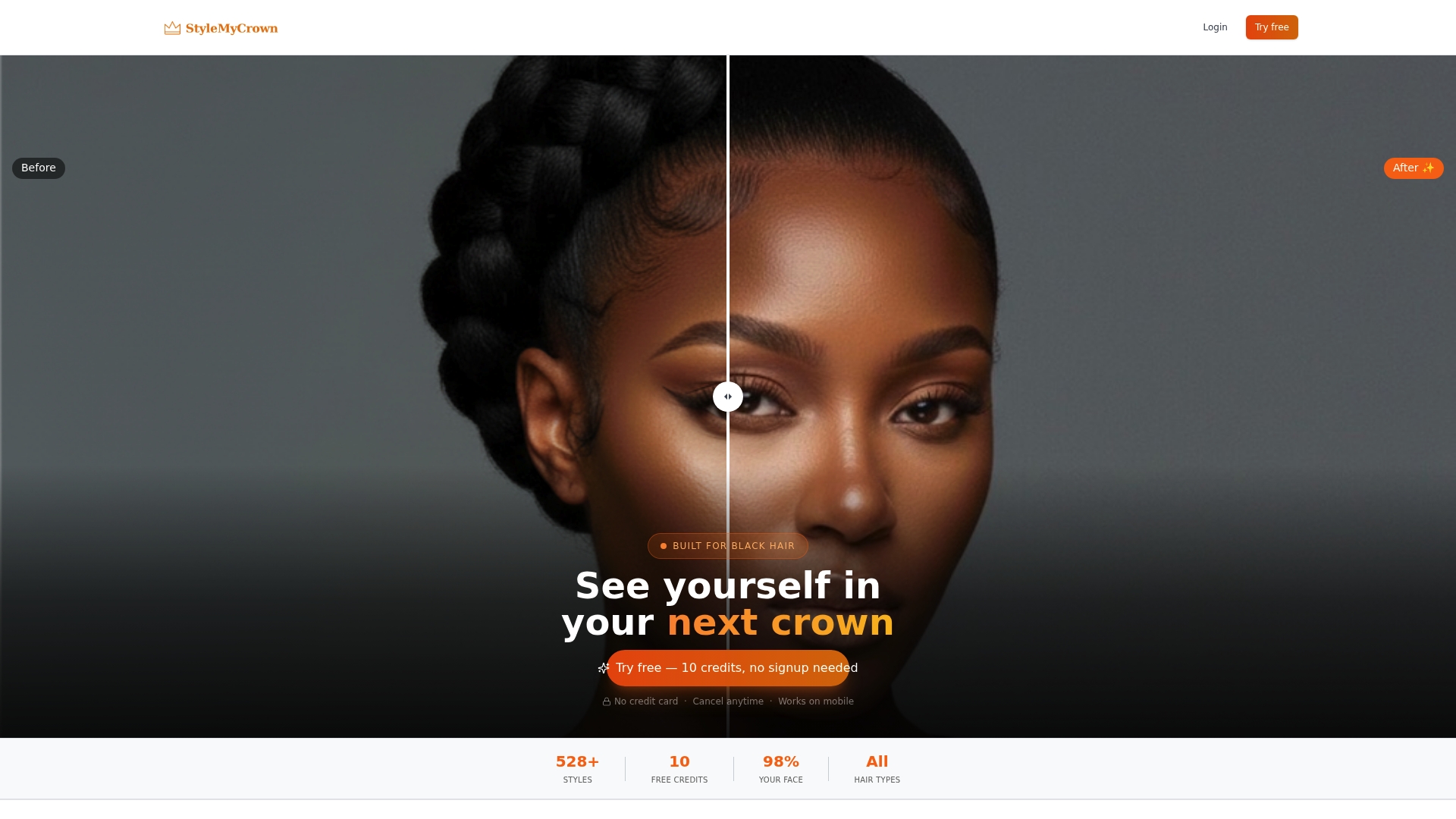
Your two complimentary credits are enough to test a color swap, check how a hairline reads at your part, and compare a few texture-aware styles side by side. Sign up, use your credits on the shades you’re torn between, and save the ones that work to the Style Catalog so you have them ready when you’re ready to order. If you’d rather talk through undertone and construction details with a professional first, the Stylist Catalog connects you with stylists who can walk you through the same decisions covered here, shade by shade.
Sources
FAQ
What color wigs look good on dark skin?
Rich browns, warm reds like copper and auburn, golden or caramel blondes, and true or natural black-brown all work well on dark skin. The deciding factor is matching the shade to your undertone rather than picking a color in isolation.
What colors look better on dark skin?
Warm, saturated colors with visible depth, honey blonde, chestnut, burgundy, and jet black, tend to look better than ashy, platinum, or overly muted pastel tones, which can wash out deep and medium brown complexions.
What hair colors look best on dark skin?
Golden and caramel blondes, rich chocolate brown, copper and auburn reds, and deep burgundy consistently rank as the most flattering hair colors for dark skin, especially when applied with a darker root or balayage technique for dimension.
How can you tell if someone is wearing a wig?
The biggest tells are a lace color that doesn’t match the skin tone, a hairline that’s too dense or too uniform, and an all-over color with no root shadow. Pre-plucked lace fronts with a shadowed root are what make a wig read as natural hair instead.


