12 Low Maintenance Black Hairstyles, Minimal Kits, 2 Free AR Trials
12 Low Maintenance Black Hairstyles, Minimal Kits, 2 Free AR Trials
The easiest Black hairstyles to maintain are simple protective installs, wash-and-go defined curls, puffs, and short crops, because they cut down on daily manipulation and require only a handful of products. The real trade-off is time: you either invest a few hours upfront getting a protective style installed, or you accept a slightly looser, more natural finish with a wash-and-go. Either path works, as long as hair health stays the priority over how fast you can walk out the door.
TL;DR:
Wash-and-go styles for curl patterns 3B to 4A typically require only 2 to 5 minutes daily maintenance, with tighter curl patterns needing more frequent touch-ups.
Protective styles like knotless braids and mini twists stay in place for four to eight weeks, but exceeding that risks damage and breakage.
Consistent routine elements such as weekly washing, nightly satin protection, and daily moisturizing are essential for maintaining the health of low-maintenance styles.
Styles should be installed with low tension, and signs of pain or scalp tenderness indicate the style is too tight and needs loosening to prevent damage.
A simple kit including sulfate-free shampoo, leave-in conditioner, light oil, and satin accessories supports the longevity and health of any low-maintenance look.
Table of Contents
What Makes a Hairstyle Truly Low Maintenance for Black Hair
A style earns the “low maintenance” label when it holds up for days or weeks without a full restyle, uses a short product list, and doesn’t leave your scalp screaming by day three. That’s different from “no maintenance.” Even the simplest looks need a rhythm, a wash schedule, a moisture routine, a way to protect your hair at night, or the style falls apart faster than it should.
Dermatology experts who work with curly and coily hair make a point of separating these two ideas: low effort daily, not zero effort ever. A Baylor College of Medicine dermatologist notes that even protective styles, the gold standard for low daily upkeep, still need a predictable care pattern to avoid damage building up underneath the style where you can’t see it. That’s the piece a lot of “easy hairstyles” content skips.
Here’s what actually separates a genuinely low-maintenance style from one that just looks simple in a photo but demands secret daily work: how much manipulation your hair endures each morning, how often you have to touch the edges or redo a section, and how forgiving the style is when you skip a day of care. Keep those three filters in mind as you go through the list below.
12 Low Maintenance Black Hairstyles Worth Trying
1. Wash-and-Go Defined Curls
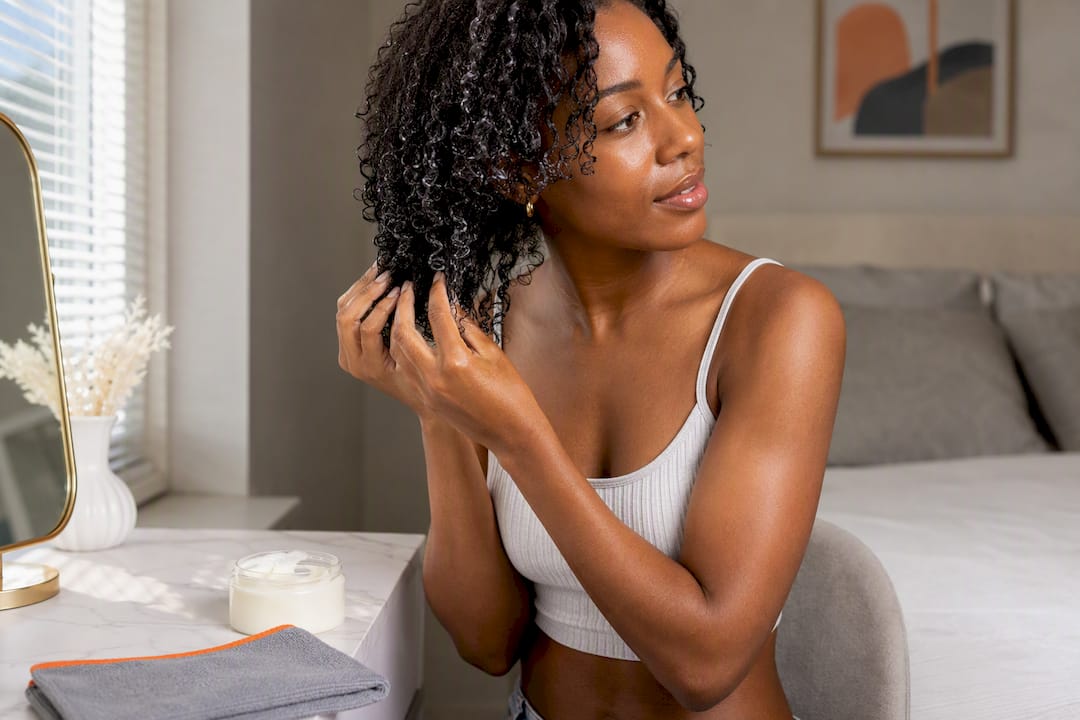
This is the closest thing to zero-styling for naturally curly or coily hair. Wet or dampen your hair, apply a leave-in and a curl cream or gel, then let it air dry or diffuse. No parting, no sectioning, no tools beyond your fingers. Daily upkeep runs about 2 to 5 minutes, mostly a quick spritz of water and a little oil to refresh curls. This suits 3B through 4A textures best, since looser curl patterns hold definition longer between washes; 4B and 4C hair can absolutely do a wash-and-go, but it often needs a same-day touch-up on day two or three. A dedicated wash-and-go routine for 4C hair can help you dial in the right product order for tighter curl patterns.
2. Twist-Outs
Set twists at night, unravel them in the morning for defined, elongated curls without heat. Essential products: a leave-in conditioner, a curling cream, and a light oil to seal. Daily maintenance is minimal, a few minutes of finger fluffing and a spritz of water-based refresher. This works on almost any texture and length, and it’s one of the better entry points for readers who want volume without commitment to a multi-week protective style.
3. Mini Twists or a Twist Ponytail
Small twists installed close to the scalp can last one to two weeks with almost no daily styling beyond gathering them into a ponytail or bun. You’ll need a moisturizing leave-in, a twisting butter or cream, and edge control if you want a neater hairline. Daily time drops to under 5 minutes once they’re installed. Mini twists suit shorter to medium lengths and coarser textures that hold twist definition well, and a twist hairstyle guide with sizing tips can help you pick a size that won’t take six hours to install.
4. Knotless Braids (Chunky, Low Tension)
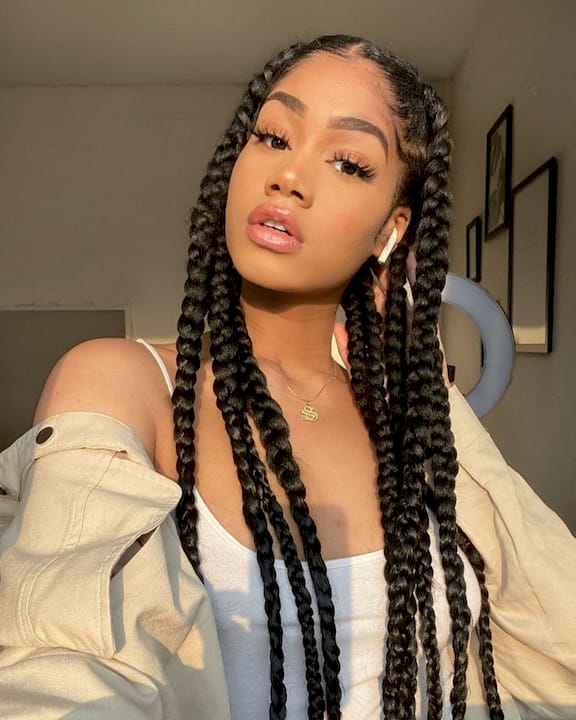
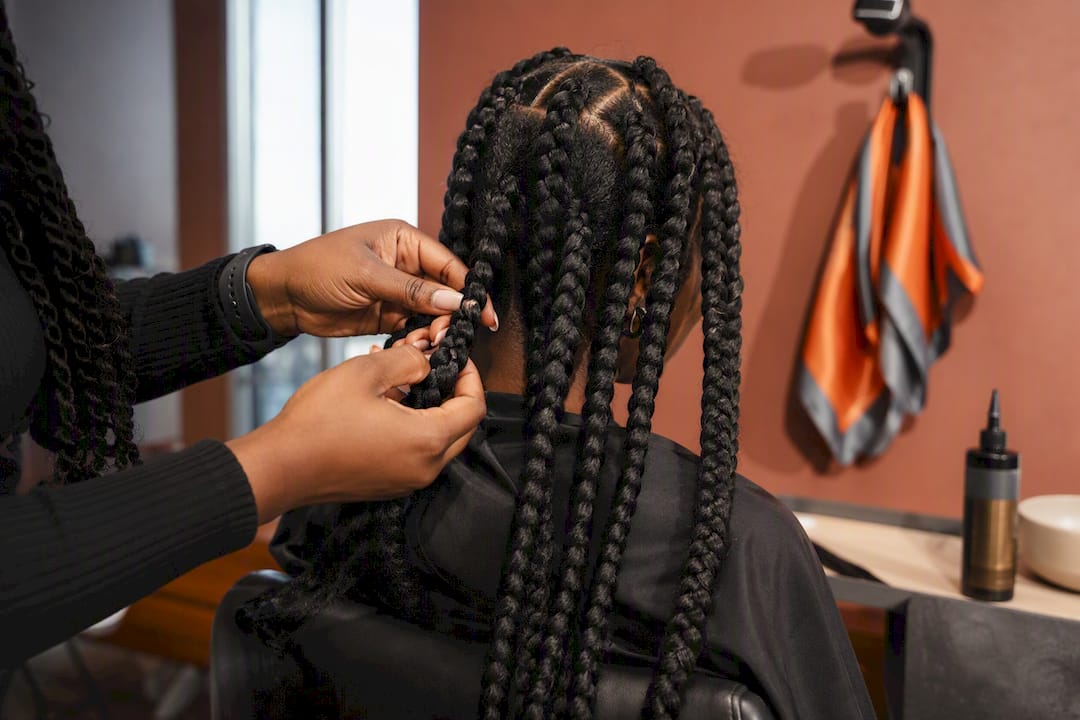
Chunky knotless braids install faster than traditional box braids and put less stress at the root because there’s no rubber-banded knot pulling at the scalp. Start with clean, moisturized hair and have your stylist braid with medium tension, not tight. Products you’ll actually use: a light oil for the scalp, a satin scarf at night, and a lightweight mousse for edges. Daily maintenance is close to zero, just nighttime protection. This style fits nearly any texture and works especially well for people who want weeks of low effort at once.
5. Flat-Twist Updos
Two or four flat twists gathered into a bun or pinned up create a neat, office-ready look that survives workouts and humidity. You’ll need edge control, a twisting cream, and bobby pins. Daily upkeep is basically nonexistent since the style is already “done,” you just protect it at night. This works best on medium to long natural hair and is a smart option for anyone who needs their hair out of their face for days at a time.
6. Large Puff or High Ponytail
Gather your hair into one puff using a seamless elastic or a silk scrunchie, add a swoop of edge control if you want it, and you’re finished in under 5 minutes. In fact, a “puff with a twist” variation for 4C hair can be styled in about five minutes using just leave-in, moisturizer, gel, and oil. This suits shorter to medium natural hair and anyone who wants a polished look without touching a comb every day.
7. Short Pixie or Natural Crop
Cutting hair short removes most of the daily decision-making entirely. A curl-defining cream and a light oil are typically all you need, and daily time is under 5 minutes for a quick pat-down and refresh. This suits people who genuinely don’t want to spend time on hair styling at all, and it works on every texture, though tighter curl patterns tend to hold shape longest. A closer look at pixie cuts styled for different textures shows how the same cut reads differently depending on curl pattern.
8. Ready-to-Wear Wigs or Sew-Ins
A well-fitted wig or sew-in gives you a finished style every single day without touching your natural hair underneath, as long as you’re still caring for your scalp and edges. Daily time is close to zero once it’s installed; expect a few minutes to adjust and maybe a light oil on exposed edges. This works for anyone who wants total styling flexibility, and it’s particularly practical for people transitioning, growing out a cut, or simply tired of daily manipulation.
9. Short Quick Weave
A quick weave uses a protective cap instead of braided tracks, which cuts install time compared to a full sew-in while still giving you weeks of a set style. Products needed are minimal: a bonding glue or adhesive remover kit and a light shine spray. Daily upkeep is a couple of minutes. This suits shorter lengths and anyone who wants a shorter-term protective option, generally one to three weeks, without committing to braids.
10. Shoulder-Length Lob
A blunt or slightly layered cut at shoulder length works with your natural texture instead of fighting it. A curl cream and a light gel are usually enough. Daily maintenance runs 5 to 10 minutes for refreshing curl clumps. This suits medium-length natural hair and works well for people who want a defined shape without the upkeep of longer lengths.
11. Faux Locs
Faux locs give you the look of locs without the years-long commitment, and they can last four to eight weeks with almost no daily styling. You’ll want a light oil for the scalp, a shine spray, and a satin wrap at night. This suits anyone who wants long-term low effort, though the install itself takes several hours, so budget that time upfront.
12. Space Buns or Double Low Buns
Two sections gathered into buns take under 5 minutes and require just edge control and small elastics or scrunchies. This works on medium to long hair of any texture and is a genuinely fast option for busy mornings, school runs, or gym days when you need hair off your neck immediately.
The Core Routine That Keeps Easy Styles From Falling Apart
Every style on that list still depends on a simple maintenance rhythm underneath it. Skip this part and even the lowest-effort look starts breaking down within a week.
Wash on a predictable schedule, not by feel. The American Academy of Dermatology recommends washing tightly coiled hair about once a week or less, adjusting more frequently only if you’re dealing with a scalp condition like dandruff or excess buildup from styling products.
Moisturize and seal in under five minutes. The LOC method (leave-in, oil, cream) or LCO method (leave-in, cream, oil) doesn’t need to be a production. A quick pass through your hair with a leave-in, followed by oil or cream to lock in moisture, takes less time than making your morning coffee.
Protect your hair every single night. Friction from cotton pillowcases and restless sleep dries hair out and causes breakage over time. Silk or satin coverings, whether a scarf, bonnet, or pillowcase, reduce that friction significantly.
Dilute your shampoo for faster, gentler wash days. Mixing shampoo with water in a applicator bottle lets you target the scalp directly instead of piling product on your lengths, which cuts down on tangling and rinse time.
Detangle from the ends up, always on wet or well-conditioned hair. Work in small sections, starting at the tips and working toward the roots, never the reverse.
-
Wash roughly once a week, more often only for scalp issues
-
Moisturize and seal daily in under 5 minutes
-
Sleep in silk or satin every night, no exceptions
-
Use a diluted shampoo bottle for even, gentle scalp cleansing
-
Detangle ends first, roots last, always on wet or conditioned hair
Pro Tip: Keep a small spray bottle with water and a few drops of leave-in conditioner by your bed. A 30-second spritz before you sleep keeps twist-outs and puffs looking fresh without a full restyle in the morning.
How Long Protective Styles Should Actually Stay In
Protective styles are only “low maintenance” within a specific window. Most stylists and dermatologists point to four to eight weeks as the safe range before a style needs to come down, refreshed, or reinstalled. Waiting longer invites matting, tangling near the new growth, and mechanical damage from the accumulated weight and tension, according to Baylor College of Medicine’s guidance on braids and coily hair.
At takedown, deep condition immediately and trim any weak or split ends before doing anything else with your hair. Rushing straight into a new install without that reset step is how damage compounds style after style.
On installation, ask for low-tension braiding, skip metal joins or tight rubber bands that concentrate stress on one point, and alternate the direction of your part each time you reinstall. That last habit alone spreads out tension patterns that would otherwise wear on the same section of scalp every few weeks.
Signs Your Style Is Doing More Harm Than Good
Pain is not part of the deal. If a style hurts while it’s being installed, that’s your hair telling you something is wrong right now, not a sign you’ll “get used to it.” Baylor’s dermatology guidance is direct on this point: pain during installation signals potential damage, and the right move is to stop and have that section redone before it sets.
Watch for these warning signs, whether the style is brand new or a few weeks old:
-
Sharp pain or stinging during or after installation
-
Small bumps, redness, or tenderness along the hairline
-
Thinning or a receding pattern specifically at the temples or edges
-
Headaches that start right after a tight install
-
Hair that pulls out easily at the root when you touch the edges
If you notice thinning at the hairline that doesn’t grow back within a few weeks, that can point to traction alopecia, and it’s worth a visit to a dermatologist or a stylist you trust to reassess your styling habits. In the short term, loosen tight parts, cut out any bands that are digging in, and switch up your part direction before the next install.
The Minimal Kit That Makes Any of These Styles Work
You don’t need twenty products to keep any style on this list looking good. A tight kit covers almost every scenario:
-
A gentle, sulfate-free moisturizing shampoo
-
A rinse-out conditioner that matches your hair’s porosity
-
A leave-in conditioner for daily moisture
-
A light oil for sealing and scalp care
-
A styling cream or sealant for edges and definition
-
A silk or satin scarf, bonnet, or pillowcase
-
A wide-tooth comb (skip brushes on dry or coily textures, they snag and break strands)
-
Silk scrunchies or no-metal elastics
If you want a little extra convenience, add a spray bottle for daily refreshers, a bottle for diluting shampoo, and a heat protectant for the rare blowout day. That’s it. Nothing on that list requires a specialty store or a big budget, and every item earns its place by doing double duty across multiple styles.
Preview Your Next Low Maintenance Look Before You Commit
Choosing between a chunky knotless braid and a mini twist ponytail is easier when you can actually see the proportions on your own face and hair length first, instead of guessing from someone else’s photo. That’s the real value of a virtual try-on: testing puff height, braid thickness, or how a short crop frames your face shape before a single strand gets touched.
A virtual try-on service offers hundreds of styles curated specifically for Black hair textures and types, built to reflect how these looks actually sit on different hair, not a generic filter stretched over any face.
To try it, upload a clear photo, browse the catalog, and apply a style using your 2 complimentary trial credits, no commitment required.
Why Simple Still Wins in Every Season
Low maintenance styles get dismissed as a compromise, like you’re settling for less because you don’t have time for “real” styling. That framing is backwards. The styles that ask the least of you daily, wash-and-goes, well-installed knotless braids, a good short crop, tend to be the ones causing the least cumulative damage, because they involve less pulling, less heat, and fewer hands in your hair week after week.
What I’d push back on is the idea that low effort means low thought. The people who get the best results from these styles are the ones who treat the basic routine as non-negotiable, even when the style itself demands nothing else. Wash on schedule. Protect your hair at night. Respect the four to eight week window on protective styles instead of stretching it because the install still “looks fine.” Try a style you’re unsure about in a reversible form first, a wash-and-go before a big chop, mini twists before locs, before you make a bigger commitment.
— Christelle
See Your Next Style Before You Commit to It
Guessing whether chunky knotless braids will suit your face shape, or whether a short crop will actually work with your hair density, is how a lot of low-maintenance plans go sideways at the salon chair. A virtual try-on app addresses that guesswork problem by letting you see the style on your own photo first, using augmented reality built specifically around Black hair textures and types, not a one-size filter borrowed from straight hair apps.
Browse the Style Catalog and try on a wash-and-go, a puff, or a set of knotless braids using your 2 complimentary credits. Once you’ve found a look you’re confident about, the Stylist Catalog connects you with pros who can install it. Start with a style you’re on the fence about; that’s exactly what the free credits are for.
Sources
-
Braids for curly and coily hair: Baylor dermatologist weighs in
-
Black hair care: Tips for washing, styling, and choosing products
FAQ
What is the easiest Black hairstyle to maintain?
A wash-and-go or a well-installed puff tends to be the easiest, since both take under 5 minutes of daily styling and need only a leave-in, a light oil, and a curl cream or gel.
What hairstyle requires the least maintenance overall?
Short pixie cuts and knotless braids sit at the top of the low-maintenance list because pixies need almost no daily product and knotless braids can go weeks with just nightly protection.
What is the 3 hair rule?
There isn’t one established “3 hair rule” backed by dermatology sources; if you’ve seen this term used to describe washing, moisturizing, or protecting hair on a repeating cycle, treat it as informal advice rather than a clinical standard.
What are the hair trends for 2026?
Trend cycles shift by season, but the durable pattern is toward styles that protect hair while looking intentional, chunky knotless braids, defined wash-and-go curls, and natural short cuts, all styles you can preview on your own photo through Stylemycrown’s catalog before booking an install.
How often should protective styles be taken down?
Most dermatology guidance points to a four to eight week window before a protective style should be removed, deep conditioned, and either reinstalled or given a break.
How do I know if a style is too tight?
Pain during or after installation, tenderness along the hairline, or hair pulling out easily at the root are all signs the style is too tight and should be loosened or redone.


