Protect Your Edges: Texture First Black Hairstyles Trends 2026
Protect Your Edges: Texture First Black Hairstyles Trends 2026
2026 belongs to texture-first, low-tension looks: ivy and knotless braids, sculpted pixies, fluffy silk presses, and warm, low-maintenance color. The guiding principle behind every trend this year is protection over perfection. Below, you will find the specific styles worth trying, plus fit, care, and maintenance guidance for each.
TL;DR:
Styles that place less tension on the scalp, such as knotless braids and mini twists, last several weeks with proper care and avoid common tension-related damage.
Low-maintenance styles like Sisterlocks and textured pixies require minimal weekly upkeep and are best suited for those with limited styling time.
Natural hair textures are emphasized, with softer parts and looser feeding at the roots replacing tight, high-tension hairstyles popular in previous years.
Warm, low-commitment hair colors such as chocolate brown, copper, and burgundy are trending for their low upkeep and ability to complement melanin-rich skin tones.
A virtual try-on tool allows users to preview styles on their own photos before booking a session, ensuring better confidence in style choice.
Table of Contents
Top Black Hairstyles Trends 2026: The Shortlist
If you only remember one thing about this year’s Black hairstyles trends 2026, make it this: the styles that photograph best are also the ones that hurt the least. That is not a coincidence. Stylists have spent the last few years pushing back against high-tension parts and tight foundations, and 2026 is where that pushback becomes the mainstream look.
Here is the shortlist worth screenshotting:
-
Ivy braids — long, thin, vine-like braids with a soft, undulating pattern. Best for medium to long lengths and anyone who wants movement without box-braid bulk.
-
Knotless box braids — the tension-free evolution of traditional box braids, feeding hair in gradually instead of knotting at the root. Works on nearly every texture and length.
-
Tanavoho braids — a South African-rooted style using thin, sculptural sections that sit close to the scalp, often styled into geometric partings. Great for anyone wanting an editorial edge.
-
Mini twists — two-strand twists in a smaller, more versatile size than classic twists. Suited to shorter natural hair or anyone easing into protective styling for the first time.
-
Sisterlocks — micro-sized traditional locs installed with a specialized technique, offering a polished, low-bulk loc option. Best for those committed to a long-term, low-manipulation journey.
-
Finger-coils — hand-shaped coils defined without heat or chemicals, ideal for showing off natural curl pattern on shorter to medium lengths.
-
Textured pixie or TWA — a short cut that leans into coil shape rather than flattening it. Suits fine to medium density hair and anyone ready for lower daily maintenance.
-
Fluffy silk press — a blowout-style press with volume and movement instead of pin-straight, glass-like strands. Works across nearly all lengths and is trending because it is gentler on strand integrity.
-
Airy crown braids — braided styles concentrated around the crown and hairline, left loose through the rest of the hair for a half-up effect. Flattering on medium to long length hair.
-
Bantu knots — a classic style getting fresh attention this year, worn either as a finished look or as a curl-defining set. Works on most natural textures.
-
Cornrow updos — cornrows styled into buns, ponytails, or sculptural crown shapes rather than left as straight rows. Suited to any length, since shorter rows can still be gathered up.
-
Texture-first bangs — fringe cut to work with curl pattern rather than fight it, often shaped while the hair is in its natural state. Best paired with medium to long styles for face-framing balance.
Seasonally, braided styles dominate spring and summer for their sweat resistance and swim compatibility, while silk presses and sculpted cuts tend to peak in fall and winter when heat styling holds up longer in drier air.
How to Create, Style, and Maintain Each 2026 Look
Every style above falls into one of four categories, and each category comes with its own tension level, lifespan, and upkeep routine.
Protective braids (ivy braids, knotless braids, Tanavoho braids, mini twists)
-
Installed by sectioning hair and feeding in braiding hair gradually from the root, which is what makes knotless and ivy styles noticeably less painful than traditional braiding.
-
Tension should be light enough that you can move the part without discomfort at the scalp.
-
Lifespan generally lasts several weeks depending on size and care, such as sleeping with a bonnet or silk pillowcase.
-
Checklist: lightweight braiding hair, edge control or gel, scalp oil, and a satin scarf for nightly wrap.
-
Low-manipulation alternative: mini twists, which can be styled, refreshed, and taken down more easily than larger braid installs.
Short and textured cuts (pixies, TWAs, Bantu knots as a set)
-
Cut dry or on stretched hair to see true curl shape, then shaped further as it dries naturally.
-
Near-zero tension since there’s no pulling or parting involved, just cutting and shaping.
-
Lifespan depends on trim schedule, generally a shape-up every three to five weeks.
-
Checklist: curl-defining cream, a diffuser attachment, and a light hold gel for edges.
Press and finish looks (fluffy silk press)
-
Built with a gentle blow-dry using a comb attachment, then light flat-iron passes focused on volume rather than pin-straight results.
-
Low to moderate heat exposure since stylists are pulling back on repeated flat-iron passes to protect the style’s texture.
-
Lasts one to two weeks depending on humidity and how it’s wrapped at night.
-
Checklist: heat protectant spray, a boar-bristle brush, and a low-heat setting on your flat iron.
Updos and editorial styles (airy crown braids, cornrow updos)
-
Built from smaller cornrow or braid sections gathered into buns, twists, or crown shapes.
-
Tension concentrated at the hairline needs the most attention. Ask your stylist for a looser starting point if you feel pulling.
-
Lasts as long as the underlying braids or cornrows hold, typically two to four weeks before touch-ups.
Pro Tip: Bring a photo of the exact braid thickness and part pattern you want to your appointment. Stylists can eyeball “small” differently, and a reference photo saves you an hour of unwanted adjustments.
For step-by-step guidance on sizing and care, the breakdown of knotless braid styles and this guide to twist hairstyles for Black hair both go deeper than a shortlist can.
Why Low Tension Is the Real Story Behind 2026’s Looks
Every major trend report this year points to the same shift: natural-hair experts identify low-tension, lived-in looks as the defining feature of 2026, not just a specific braid pattern or cut. Softer parts, looser feeding at the root, and lived-in finishes are replacing the pulled-tight, freshly-installed look that dominated for years.
That shift matters because tension damage builds quietly. Watch for these red flags:
-
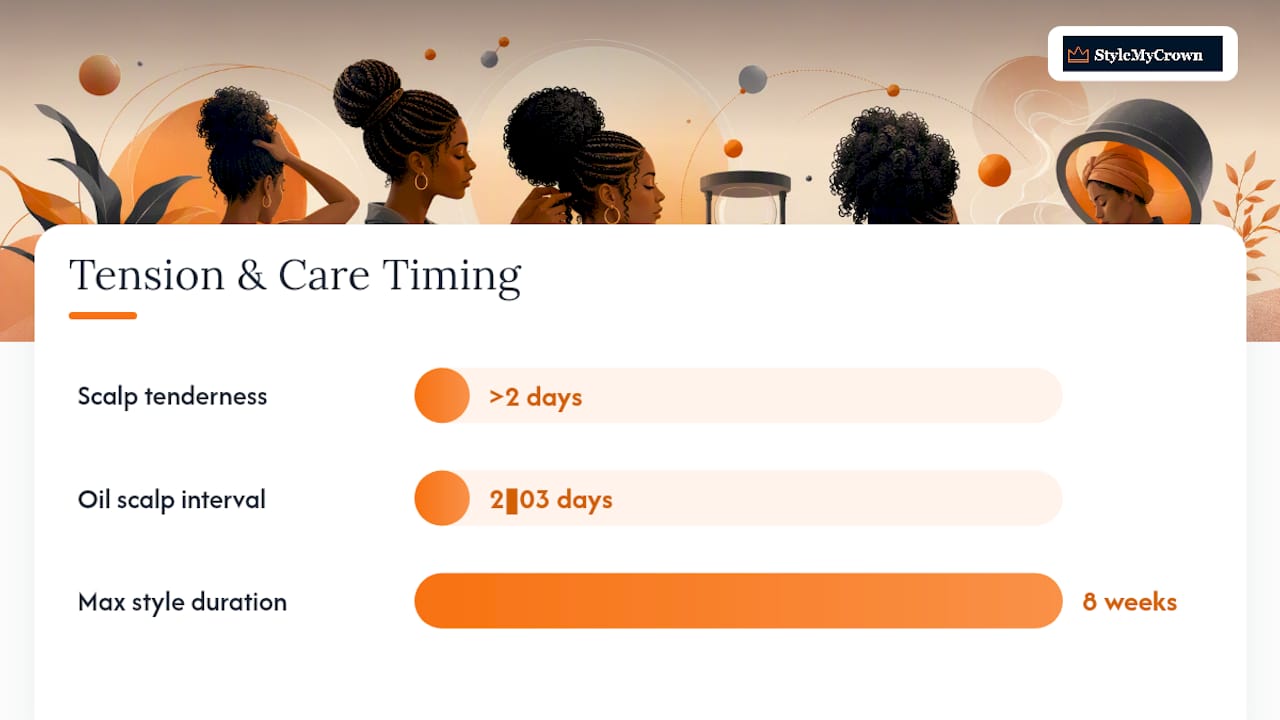
Persistent tenderness at the scalp more than two days after installation
-
Small bumps or pimples forming along the part lines
-
Thinning or breakage concentrated at the hairline and temples
-
Headaches that start right after a style goes in
Maintenance checklist: oil your scalp every two to three days, sleep on satin or silk, avoid leaving any style in longer than eight weeks, and take styles down slowly with conditioner rather than ripping through knots dry.
Color and Texture Notes for 2026
Warm, low-commitment shades are winning this year. Stylists point to chocolate brown, espresso, copper, and burgundy as the dominant fall palette, and the reason goes beyond aesthetics.
-
These tones complement melanin-rich skin without requiring heavy lightening.
-
Because they build on your natural base color, upkeep is lighter, often just a gloss or root touch-up every couple of months.
-
Copper and burgundy read warmest against deeper skin tones, while chocolate brown and espresso work as a near-universal, low-drama upgrade.
-
Ask your colorist about a gloss-only or balayage approach instead of full bleach, which keeps curl pattern intact and cuts down on breakage risk.
Choosing the Right 2026 Trend for Your Hair and Life
Start with three questions: What’s your real goal (growth, low daily effort, or a fresh look for an event)? How much time can you give your hair each week? What’s your budget for maintenance appointments?
-
Low maintenance tier: Sisterlocks, knotless braids, or a textured pixie. Minimal daily styling, appointments spaced weeks apart.
-
Medium maintenance tier: mini twists, fluffy silk press, or cornrow updos. Some weekly upkeep, refresh every two to four weeks.
-
High maintenance tier: ivy braids, Tanavoho braids, or airy crown braids. More intricate install time, but longer wear between appointments once installed.
Narrow your list by asking: Do I have time for a two-hour install? Can I commit to nightly wrap routines? Is this for everyday wear or a specific event? Two or three answers usually point you straight to a tier.
Runway and Cultural Influences Behind 2026’s Looks
Runway platforms like Black Hair Reimagined are reshaping how the industry treats Black hair. Sculptural, culturally rooted looks that once lived only backstage are now feeding directly into what stylists recommend in the chair.
Shows built entirely around Black hair artistry are recasting braiding, locking, and coiling as high-fashion technique, not just everyday maintenance. That framing is pushing stylists to treat sculptural partings and dramatic shapes as options for regular clients, not just for editorial shoots.
Translating a runway concept into an everyday version usually means scaling back the size and drama, not the idea. A sculptural crown braid from a show might become a simple airy crown braid for daily wear. Look to bridal styling for Black hair for examples of runway drama tuned down for real life.
Try the Look Risk-Free With Virtual Try-On
Before you book a stylist or commit to a color change, preview it. Stylemycrown’s AR tool lets you test length, bangs, and color intensity on your own photo across 528 curated styles, using two complimentary credits to start. Use it right after you’ve narrowed your shortlist, and before you sit in the chair.
Moving Between Natural and Styled Looks
Switching between a wash-and-go week and an installed braid style doesn’t have to shock your strands, but it does take a plan. The biggest mistake people make is jumping straight from a tight protective style into heavy heat styling without a rest period.
Give your hair a week of low-manipulation care between transitions. After taking down braids or twists, detangle gently with conditioner still in, then let your natural texture rest for a few days before introducing heat or new tension. This gives your scalp time to recover and lets you actually see your curl pattern’s current state, which changes depending on moisture level and how long a style was in.
If you’re moving from a silk press back to natural texture, avoid rushing to wet it immediately. A light mist and leave-in, followed by a loose twist-out, eases the transition without shocking the cuticle. Going the other direction, from natural texture into a press, always start with a clarifying wash so product buildup doesn’t interfere with heat styling.
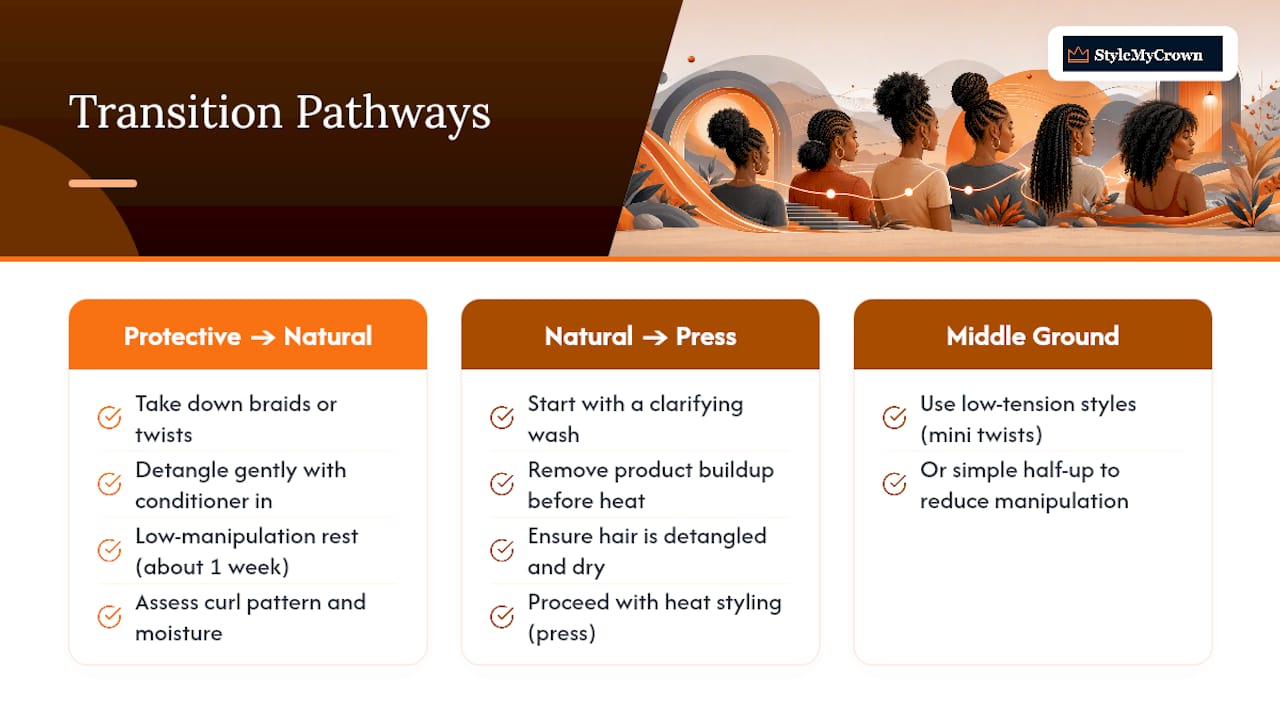
Keep a rotation of low-tension protective styles in your back pocket, like mini twists or a simple half-up style, for weeks when you need a break from daily manipulation but aren’t ready for a full braid install. That middle-ground option is often what keeps people from bouncing between extremes.
The Mood of Black Hair in 2026
Texture-first creativity and hair health are finally the same conversation, not competing ones. Choose the trend that excites you, then choose the version that protects your strands too.
— Christelle
Try 2026 Looks Before You Commit
Scrolling through inspiration photos only gets you so far when none of those models have your exact curl pattern, density, or face shape. Stylemycrown closes that gap with an AR preview tool built specifically for Black hair, so you see the style on your own photo before you spend a single dollar in a chair.
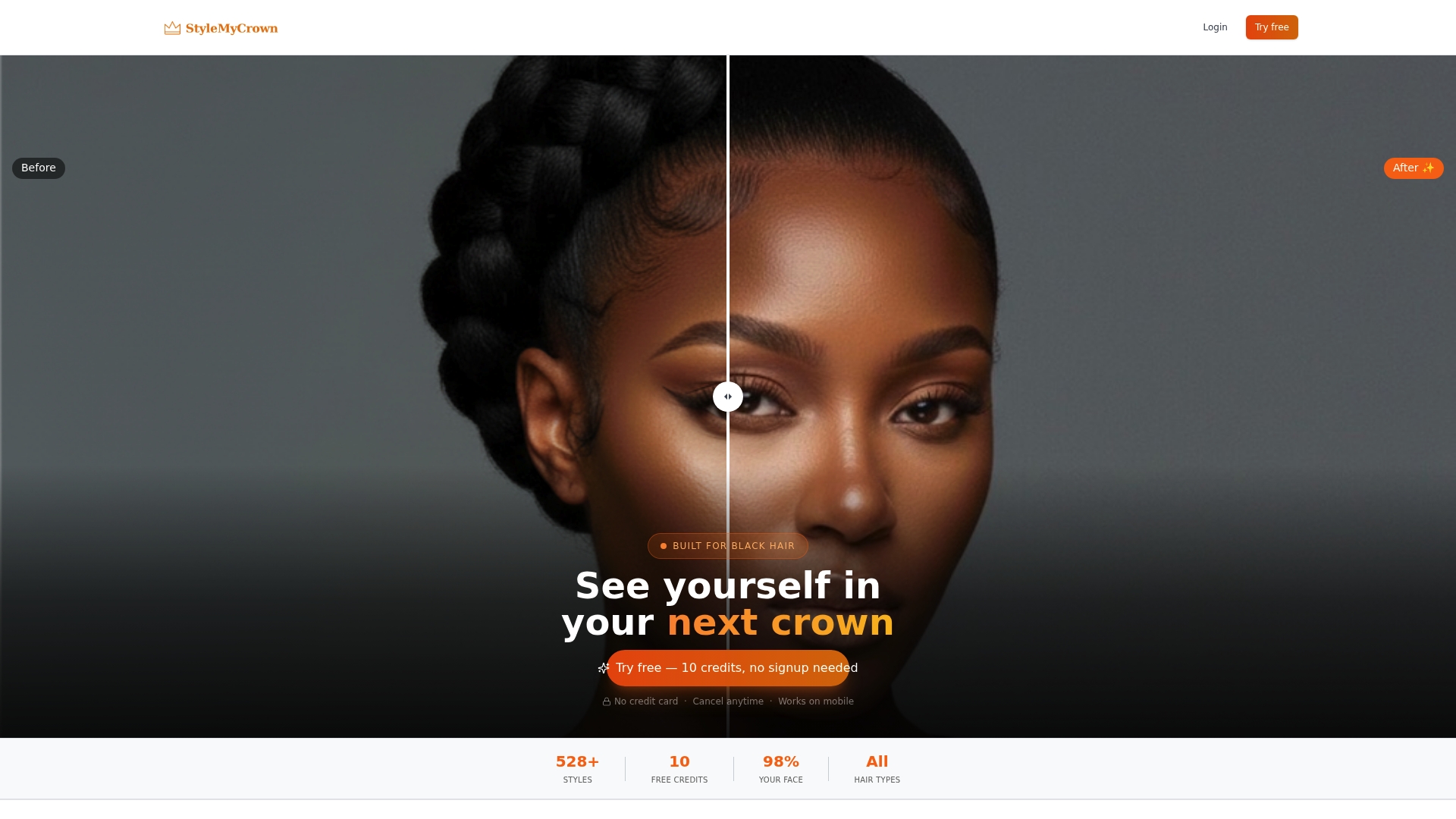
The Style Catalog covers all 528 curated looks mentioned throughout this guide, from ivy braids to a fluffy silk press, and your first two credits are complimentary. Once you’ve landed on a favorite, the Stylist Catalog connects you to professionals who can bring it to life. Start with your photo, try on a few options, and book with confidence instead of guessing from someone else’s reference picture.
Sources
FAQ
What new Black hairstyles are expected to be popular in 2026?
Ivy braids, Tanavoho braids, knotless box braids, mini twists, Sisterlocks, and fluffy silk presses are leading the Black hairstyles trends 2026, alongside textured pixies and airy crown braids.
What hairstyles are considered out in 2026?
Overly tight, high-tension installs and stiff, pin-straight finishes are fading in favor of softer parts and lived-in texture, a shift multiple 2026 trend reports agree on.
What are the trendiest hairstyles for 2026 overall?
Beyond Black hair specifically, side parts, enhanced natural texture, airy crown braids, and modern crimp are showing up across editorial trend coverage this year.
What are the latest hairstyles for women in 2026?
Knotless braids, mini twists, fluffy silk presses, and warm low-maintenance color like chocolate brown or copper are the standout picks for women seeking practical, wearable 2026 looks.
How can I preview a 2026 trend before committing?
Try Stylemycrown’s AR tool, which lets you preview styles from the Style Catalog on your own photo using complimentary starter credits before booking a stylist.


