12 Tribal Braids Styles: Salon Prep, Care, and 2 Free Virtual Previews
12 Tribal Braids Styles: Salon Prep, Care, and 2 Free Virtual Previews
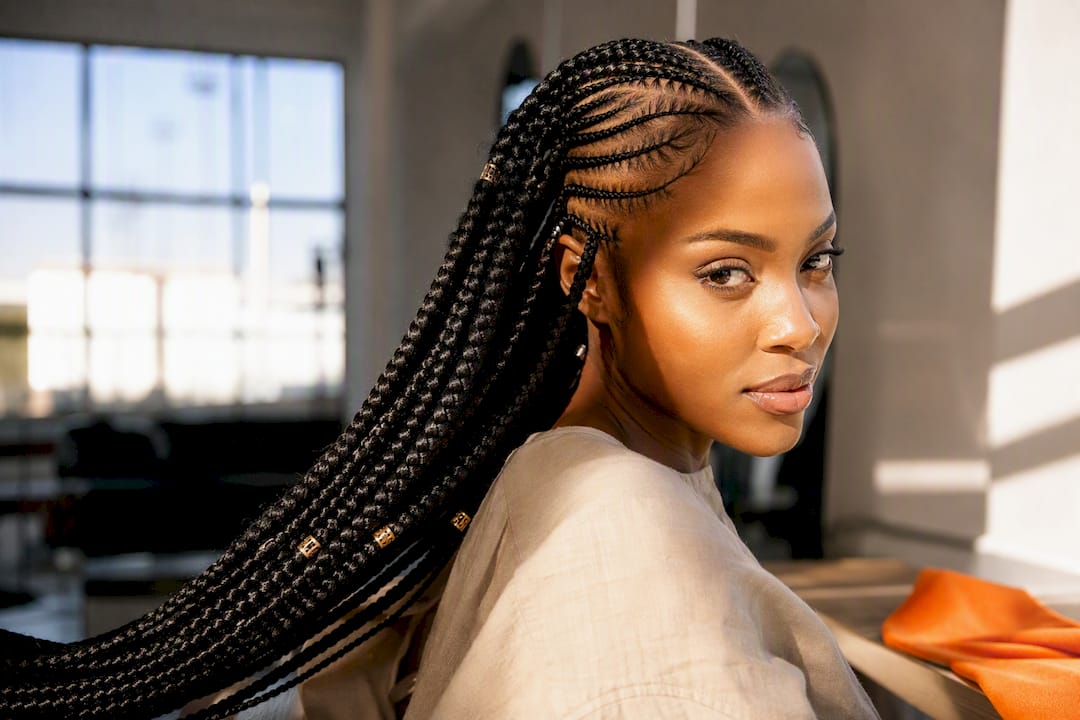
Tribal braids is an umbrella term for patterned braided styles rooted in African hair tradition, most often built from Fulani braids, cornrows paired with individual plaits, and box-braid hybrids. You’ll see this look styled with a center or curved part, decorated with beads, cowrie shells, or metallic cuffs, and worn as a protective style. The families below cover the classics and the newer takes worth screenshotting for your stylist.
TL;DR:
- Proper installation with knotless technique and precise parting can significantly reduce scalp tension and extend the style’s lifespan beyond four weeks.
- Bead and accessory placement influence the style’s appearance, with small beads near the roots adding detail and large beads at the ends highlighting length, but weight must be managed to prevent damage.
- Maintaining the style involves nightly silk or satin protection, low tension during sleep, and prompt attention to scalp discomfort or unusual shedding.
- The cultural significance of Fulani braids, rooted in West African traditions, should be acknowledged to respect their historic meaning and avoid cultural appropriation.
- Using a styling preview platform can help visualize different patterns, bead placements, and colors on your own photo, reducing the risk of dissatisfaction after installation.
Table of Contents
- What Are the Main Tribal Braids Styles?
- How to Get Tribal Braids: Prep, Tools, and What to Tell Your Stylist
- Beads, Shells, Cuffs, and Color: Styling Choices That Change the Look
- Care and Longevity: How Long Tribal Braids Really Last
- Fulani Braids and the Culture Behind the Pattern
- A Stylist’s Perspective on Timing and Tension
- Preview Tribal Braids Before You Book Your Appointment
- Sources
- FAQ
What Are the Main Tribal Braids Styles?
Fulani braids stay the reference point for this whole category. They’re built on a center cornrow with side cornrows swept toward the face, finished with beads or cuffs at the ends, a structure that comes straight from the Fula people’s braiding tradition. Everything else on this list riffs on that foundation. Here are 12 versions worth knowing by name before your next appointment.
- Classic Fulani braids. Center cornrow plus side cornrows framing the face, capped with beads at the ends. Suits anyone who wants a face-framing look without a full head of individual braids.
- Fulani with knotless back. Traditional front pattern that transitions into knotless individual braids at the back. Cuts down on scalp tension since the back section skips the tight root knot.
- Half cornrows, half box braids. Cornrows run from the hairline to the crown, then individual box braids take over. A solid pick if you want structure up front and movement everywhere else.
- Stitch or curved cornrows. Sharp, curved rows that read almost architectural. Ask your braider for “stitch parts” specifically, since regular cornrows won’t get you that clean line.
- Lemonade tribal braids. Side-swooped cornrows, usually all pulled to one side, often finished with beads along the sweep. Great for anyone who wants drama without extra length.
- Heart-pattern cornrows. Curved rows shaped into hearts at the crown or nape. A fun option for a special occasion rather than everyday wear.
- Boho Fulani with curls. Fulani parting up top, loose curly extension hair mixed into the braids below. Softer and more romantic than the classic version.
- Long beaded tribal braids. Waist length or longer, with beads placed sparingly to avoid excess pull on the scalp.
- Jumbo feed-in tribal braids. Thicker sections using the feed-in method, which cuts install time and looks bold from across a room.
- Tribal braid bob. Chin or shoulder length Fulani pattern. A low-maintenance way to try the look without committing to months of upkeep.
- Layered tribal braids. Braids cut at different lengths for movement, similar to a layered haircut. Works best on thinner braids so the layers actually show.
- Goddess tribal braids. Thicker, more textured braids with curly ends left loose. Reads more relaxed and less sleek than a standard Fulani set.
How to Get Tribal Braids: Prep, Tools, and What to Tell Your Stylist
Show up with clean, detangled hair. Wash and deep condition a day or two before your appointment, then blow dry or stretch the hair so your braider isn’t fighting shrinkage while parting. If you’ve been eyeing a specific pattern, bring photos, or better yet, preview the style on your own picture first so you and your stylist are working from the same reference.
Basic supplies for a Fulani-inspired install include:
- Multiple packs of braiding hair, in the texture and color you want
- A rat-tail comb for clean, precise parting
- A beader tool for threading beads onto finished braids
- Small rubber bands for securing ends and accessories
- Edge control and a lightweight oil for scalp and hairline
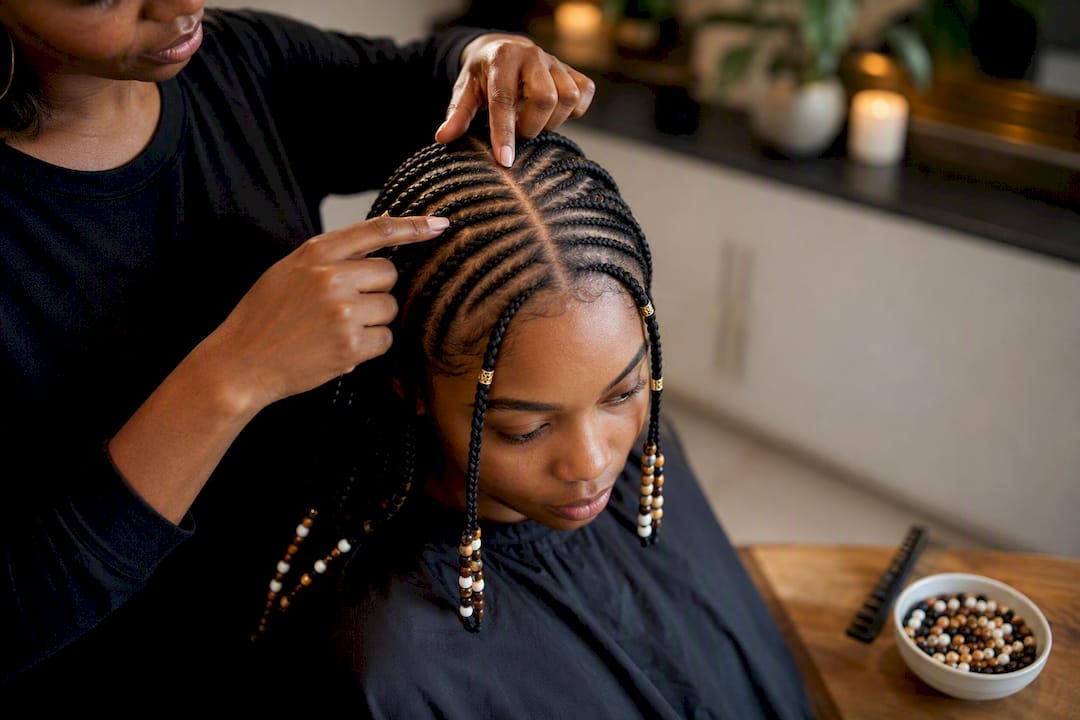
Ask specifically for feed-in or knotless technique at the root. It skips the tight knot that traditional braiding relies on, which lowers tension at the scalp right from the start. Also specify your parting geometry up front, whether that’s a center part, triangle sections, or curved stitch rows, since that decision shapes the whole silhouette.
Pro Tip: Ask your stylist to lock heavy beads in place with small rubber bands rather than sliding them on loose, and spread accessories across several braids instead of clustering them on just a few.
Beads, Shells, Cuffs, and Color: Styling Choices That Change the Look
Where you place accessories changes how the whole style reads. Beads clustered near the scalp make a style look more intricate and detailed. Large beads or cowrie shells at the tips draw attention to length and movement instead.
A few placement and color notes worth keeping in mind:
- Cluster small beads near the roots for an intricate, detail-heavy finish
- Save larger beads, shells, or metallic cuffs for the ends to emphasize length
- Wrap a few beaded strands around the crown for a subtle focal point without overloading the whole head
- Add color through highlighted or ombré extensions to frame the face without dyeing your natural hair
- Choose lightweight beads for long styles, since heavy metallic cuffs or oversized wooden beads add strain that adds up over weeks of wear
Cowrie shells carry the most cultural weight of any accessory on this list, so use them with some awareness of where that tradition comes from rather than treating them as a random decorative choice.
Care and Longevity: How Long Tribal Braids Really Last
Tribal braids typically last several weeks when installed well and cared for properly, according to guidance on modern Fulani adaptations. Pushing the style past a recommended duration increases the risk of matting, buildup, and breakage at the root.
- Protect your braids at night. Wrap with a satin or silk scarf, or sleep in a bonnet, to cut down on friction and frizz.
- Keep tension low while sleeping. A loose pineapple or a scarf wrap prevents pulling at the edges overnight.
- Watch for red flags. Persistent scalp pain, tightness at the hairline, or unusual shedding around the braids means it’s time to see your stylist, not push through it.
- Consider knotless for your next install if tension has been an issue, since it’s built specifically to ease pressure at the root.
For broader upkeep between installs, a protective styling routine that keeps your scalp moisturized will extend how good any braided style looks over its full run.
Fulani Braids and the Culture Behind the Pattern
Fulani braids come from the Fula people of West Africa, and the pattern isn’t just aesthetic. Historically, specific arrangements of braids and beads signaled things like clan identity, social status, or life stage within Fulani communities. That’s worth knowing before you request the style or share a photo of it online.
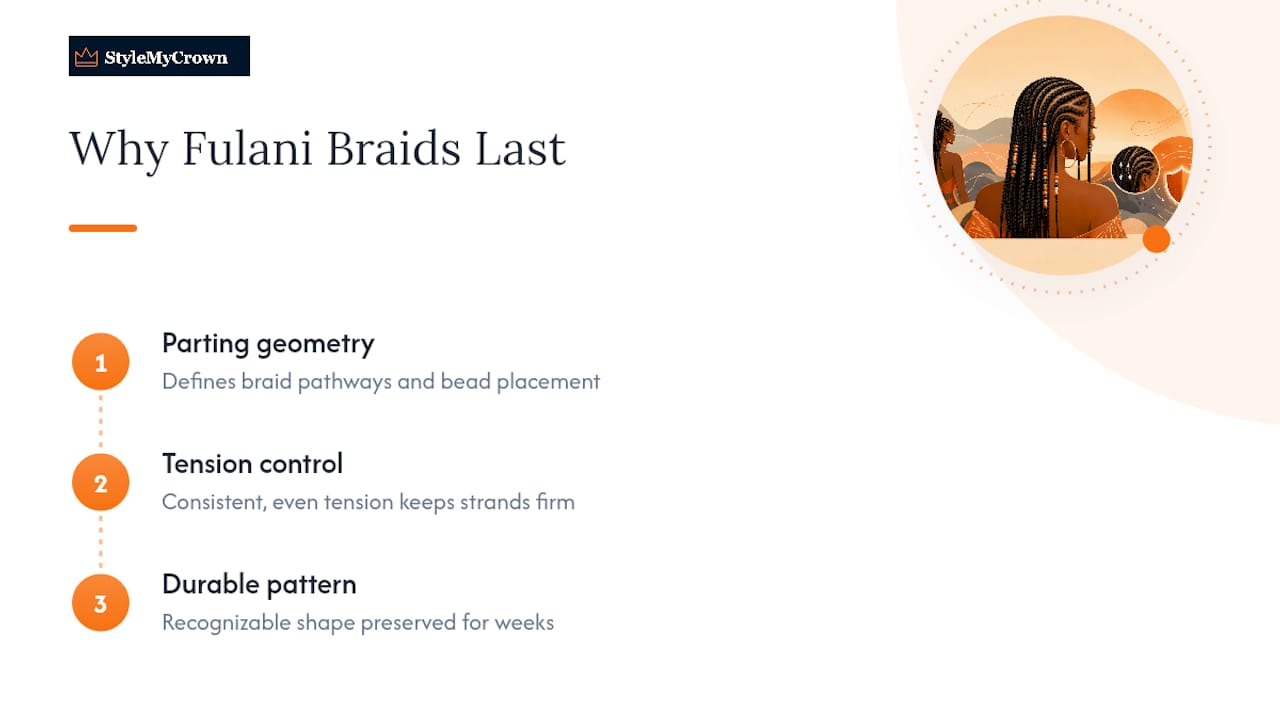
Crediting the origin when you talk about the style, rather than presenting it as a generic trend, matters here. It costs nothing and it’s accurate. On the technical side, the reason Fulani braids hold their recognizable shape over weeks of wear comes down to specific parting geometry and consistent tension control, the same craft details that have carried the style for generations.
A Stylist’s Perspective on Timing and Tension
Simplified Fulani patterns can take under an hour for an experienced braider, while hybrid installs with individual braids in the back run much longer. Choose knotless when scalp comfort or edge health is a concern. Parting precision isn’t just about looks. Clean, even sections distribute tension evenly, which protects your hairline over the life of the style.
— Christelle
Preview Tribal Braids Before You Book Your Appointment
Stylemycrown is the alternative to guessing how a look will turn out before you’re already in the chair. Instead of showing your stylist a photo of someone else and hoping it translates to your face shape and hair texture, you can preview Fulani patterns, beaded looks, and color placement directly on your own photo first.
The platform’s Style Catalog covers hundreds of curated looks across textures and lengths, including multiple tribal braid variations, and you get 2 complimentary credits to test looks risk free before committing to anything. Once you’ve found a pattern and bead placement you’re confident about, the Stylist Catalog helps connect you with someone who can bring it to life. Try a look on your own photo before your next appointment and skip the salon-chair regret.
Sources
For deeper technique detail, see Fulani braids on Wikipedia for structural basics, and Fulani braids with beads by Unruly for beading how-tos and supply lists.
- Fulani braids: Cultural heritage vs box braids — HairFactory
- Fulani braids with beads: Styles & how-to — Unruly
- History and cultural significance of Fulani braids — Braidissim
FAQ
What Are the Different Types of Tribal Braids?
The main types include Fulani braids, cornrows combined with individual braids, box-braid hybrids, stitch or heart-pattern cornrows, and shorter bob-length versions. Each varies in parting pattern, length, and how accessories get placed.
What Are Tribal Braids Called?
“Tribal braids” is the umbrella term, but the most recognized named style within it is Fulani braids, distinguished by a center cornrow and side cornrows framing the face. Other names you’ll hear for related patterns include stitch cornrows and lemonade braids.
What Is the Difference Between Braids and Tribal Braids?
Regular braids can be any simple plait with no set pattern, while tribal braids follow organized, decorative cornrow patterns tied to African braiding traditions, often finished with beads, shells, or cuffs. The pattern and cultural lineage are what set tribal braids apart from a generic braid.
What Are Tribal African Braids?
Tribal African braids refer to patterned cornrow and plait styles that originate from specific African braiding traditions, with Fulani braids as the most widely recognized example. They typically combine structured parting with decorative elements like beads or cowrie shells that carry cultural meaning.
How Long Do Tribal Braids Last?
Tribal braids typically last 4 to 6 weeks with proper care, and stylists generally recommend removing them by the 6 to 8 week mark to avoid matting or breakage at the root.


