Plan Your Microlocs Cost: Installation and 6 Maintenance Visits

Plan Your Microlocs Cost: Installation and 6 Maintenance Visits
Professional microlocs installation typically runs between $500 and $2,500, depending on where you live, how much hair you have, and how small your loctician makes each loc. Adding extensions pushes that number higher, sometimes significantly, because of the extra hours and materials involved. Below, we break down every piece of that range so you can build a realistic budget before you ever sit in the chair.
TL;DR:
- The total cost of microlocs installation varies widely based on hair length, density, technique, and location, ranging from $500 to $2,500 or more.
- Using extensions generally adds significant costs driven by material expenses, extra labor hours, and attachment method quality, with longer lengths pushing prices toward the upper range.
- Expect to budget for at least six maintenance visits in your first year, occurring every 4 to 6 weeks, to prevent loosening and matting problems.
- Sisterlocks tend to cost more than generic microlocs due to certification requirements and standardized methods, but offer more consistency and longevity.
- Choosing a loctician involves asking about installation duration, styling portfolio, extension quality, and pricing structure, with red flags including vague estimates and lack of work examples.
Table of Contents
- How much do microlocs cost by length and style?
- What makes one microlocs quote higher than another?
- How do extensions change the total microlocs price?
- What should you budget for maintenance in year one?
- Microlocs versus Sisterlocks: why the price gap?
- How do you choose a loctician and set your budget?
- What do practitioners say about pricing patterns?
- My honest take on budgeting for microlocs
- See your look before you commit to the chair
- FAQ
How much do microlocs cost by length and style?
Price depends heavily on two things: how much natural hair you’re working with, and whether you’re adding extensions to reach a longer length right away.
A natural install on short to medium hair, where the loctician works only with what’s growing from your scalp, tends to sit at the lower end of the range. Once you add extensions to reach longer lengths, the price climbs due to more hair volume, attachment points, and extra time required. Some locticians price per loc rather than per session, especially for microlocs where the final count can run into the hundreds. Others charge hourly, which makes sense given how labor-intensive the technique is. If you live in a major metro area, expect to pay toward the top of any quoted range. Microlocs installation in large U.S. metros typically starts near $500 and can reach $2,500 for New York area installs, with length and technique cited as the biggest cost drivers.
| Install type | Typical price range | Best for |
|---|---|---|
| Natural install, short hair | Lower end of professional range | Those starting locs from scratch |
| Natural install, medium to long hair | Mid range | Thicker or longer natural hair |
| Shoulder length with extensions | Higher than natural install | Faster length without a growing-out period |
| Chest to waist length with extensions | Top of range | Dramatic length changes in one sitting |
Community price reports echo this spread. Posts in hairstyling forums and social groups describe quotes anywhere from several hundred dollars to over $1,000, with some stylists doing per-loc math to land on a final number. Treat those numbers as anecdotal signals rather than a fixed rate card, since region and stylist skill move them around quite a bit.
What makes one microlocs quote higher than another?
Two stylists can look at the same head of hair and land on very different prices. The gap usually comes down to a handful of variables.
- Stylist skill and specialization: a loctician with certification and a strong microlocs portfolio typically charges more, and usually earns it.
- Technique and time: interlocking methods often take longer than braid-based methods, and labor hours are the biggest line item in any quote.
- Hair density and length: thicker or longer hair means more product, more parting, and more hours at the chair.
- Loc size and grid mapping: smaller locs mean a denser grid, which means more individual sections to install.
- Extension hair quality and attachment method: higher-grade extension hair and more careful attachment techniques cost more but tend to hold up better.
- Salon versus mobile setup: mobile stylists often build travel or setup fees into their rates.
Pro Tip: Ask for an hourly estimate, not just a flat quote. A stylist who can tell you roughly how many hours your install will take is usually the one who has done this enough times to trust.
How do extensions change the total microlocs price?
Extensions add cost in layers, not just one lump sum. Here’s what typically gets added to your bill.
- Extension hair packs: the raw material cost, which varies by quality and how much length you’re adding.
- Extra labor hours: attaching extension bundles to each section adds real time, often doubling the session length.
- Specialty attachment fees: some techniques require extra tools or products that stylists bill separately.
A shoulder-length extension install generally lands in the middle of the pricing range, while chest-length jobs push toward the top. There’s a risk worth flagging here, too. Because microlocs are built from such small bundles of hair, even modest extra weight from extensions can strain the hair fiber over time. An inexpensive install today can turn into costly repairs down the road if the attachment method was too heavy for your natural hair to support. Paying more up front for a skilled attachment job is often cheaper than fixing breakage later.
What should you budget for maintenance in year one?
Microlocs aren’t a one-and-done expense. Retightening sessions are where the real first-year cost adds up.
- Most people need a retwist or retightening visit roughly every 4 to 6 weeks, based on stylist-vetted maintenance routines for loc and soft loc styles.
- A simple first-year budget looks like: installation cost, plus a typical number of maintenance visits in the first year, plus a buffer for any repair work.
- At-home products, like a light locking gel or scalp oil, can stretch time between salon visits without replacing professional retightening altogether.
A reasonable planning approach is to budget for at least six maintenance visits in your first year, since that reflects the typical 4 to 6 week retightening cycle most locticians recommend. Skipping visits to save money upfront often costs more later if locs loosen or mat.
Microlocs versus Sisterlocks: why the price gap?
Sisterlocks is a trademarked, standardized system, and that structure is exactly why it tends to cost more than generic microlocs.
- Sisterlocks consultants complete formal certification, and that training gets reflected in installation and maintenance fees.
- The standardized sectioning tool and method mean more consistency, but also a premium price compared to a general microlocs install.
- Training and certification differences between the two systems explain much of the fee gap stylists charge.
If you want predictable, system-wide consistency for decades of maintenance, the Sisterlocks premium can be worth it. If you’re comfortable with more stylist-to-stylist variation, generic microlocs usually cost less.
How do you choose a loctician and set your budget?
Before you book anything, get clear answers to a short list of questions. This protects your wallet and your hair.
- Ask how many hours the install will take and what exactly is included, such as consultation, parting, and products.
- Ask about the maintenance schedule and whether retightening pricing is locked in or likely to change.
- Ask where extension hair is sourced and what quality tier you’re paying for.
- Ask to see photos of finished microlocs the stylist has installed before, not just loose hair examples.
Red flags include vague time estimates, no portfolio of actual microlocs work, and pressure to pay in full before any consultation. A simple budget formula covers most of what you need: installation cost, plus maintenance visits multiplied by retight cost, plus any extension materials.
Pro Tip: If a stylist can’t tell you roughly how many hours your specific hair will take, get a second consultation before booking.
What do practitioners say about pricing patterns?
Salon-tested installations typically run 2 to 9 hours depending on hair density, technique, and prep work, according to salon-tested playbooks for faux locs and similar styles. That range explains most of the price spread you’ll see between quotes, since stylists are essentially billing for their time.
Mobile stylists often charge a premium over studio rates to cover travel and setup, a pattern described in mobile hairstylist service pages. Practitioners also warn against DIY attempts, since an uneven grid set without proper mapping often means paying for a professional restart later.

My honest take on budgeting for microlocs

I’ve watched people chase the cheapest quote and regret it within a year. Microlocs are a commitment, not a one-time purchase. Your hair has to live with this decision for a long time.
Budget for the full first year, not just the install day. Ask hard questions before you pay a deposit.
— Christelle
See your look before you commit to the chair
Committing hundreds of dollars to a length or thickness you’ve never actually seen on your own face is a real risk. AI virtual try-on for Black and textured hair lets you preview microlocs looks, including longer extension lengths, before you spend a dollar at the salon.
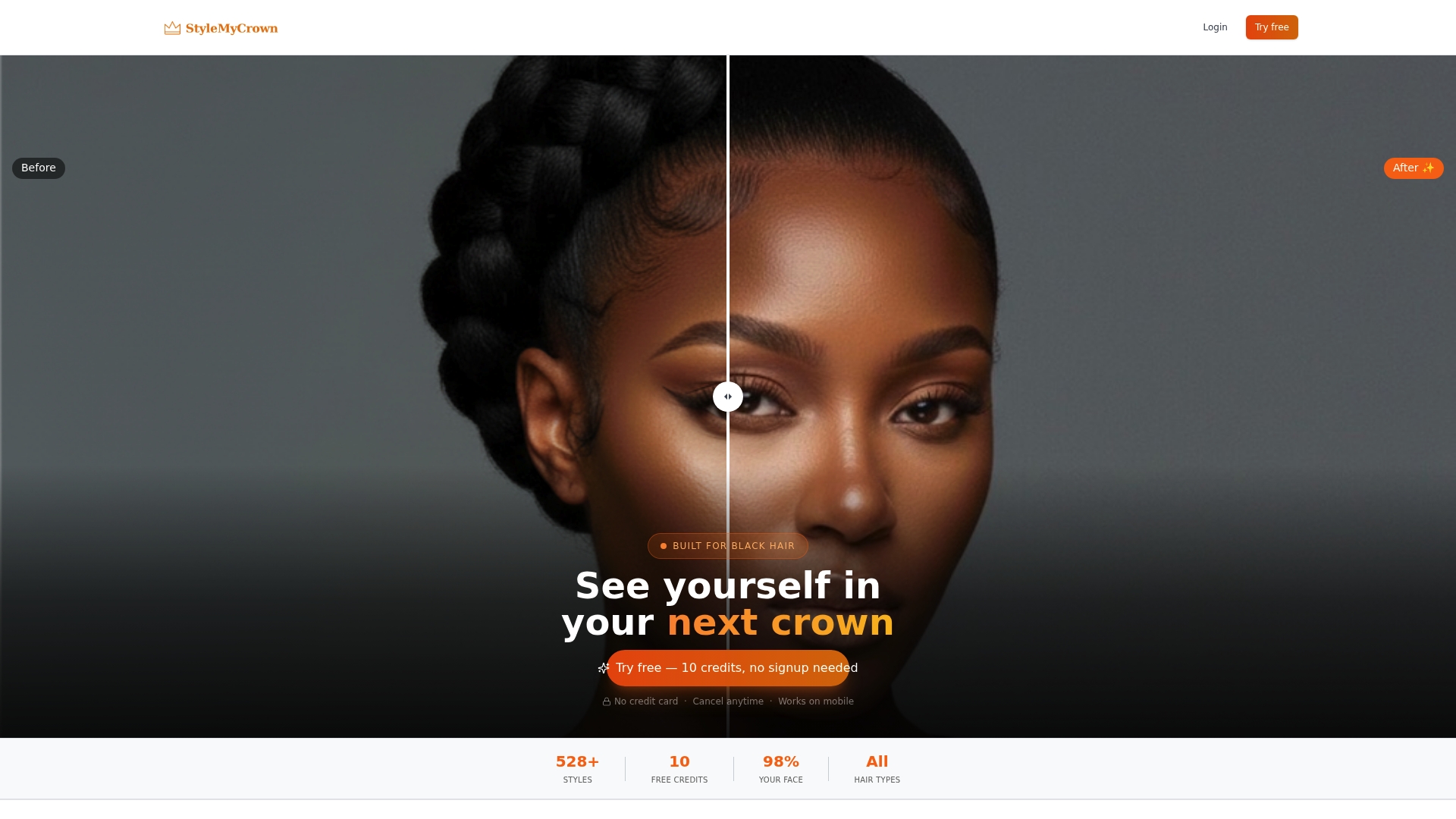
- Try different lengths and loc sizes without touching your natural hair.
- Use your complimentary trial credits to test a few looks before booking a consultation.
- Browse the style catalog for inspiration across textures and lengths.
| What you get | Why it helps before an install |
|---|---|
| Virtual preview of length and thickness | Avoids paying for extensions you end up disliking |
| Trial credits included | Lets you test multiple looks at no cost |
| Style catalog across textures | Shows realistic outcomes for your hair type |
This isn’t a replacement for your loctician’s expertise. It’s a way to walk into that consultation already knowing what you want, which can save you money and a few awkward do-overs. Plans start with the 1 Week Trial at $17.48 per week if you want to keep exploring looks beyond your free credits.
FAQ
How long do micro locs last?
Microlocs are meant to be a long-term or permanent style once mature, often lasting for years with consistent maintenance. How long yours last in good condition depends on how regularly you keep up with retightening and how well the extensions, if used, were attached.
What are the disadvantages of microlocs?
The biggest downsides are the time commitment during installation, the ongoing cost of retightening every few weeks, and the risk of tension damage if extensions are too heavy for your natural hair. Microlocs are also difficult to remove once mature, so the decision carries real permanence.
Which is more expensive, microlocs or Sisterlocks?
Sisterlocks typically cost more than generic microlocs because it’s a standardized, trademarked system with certified consultants, which raises both installation and maintenance fees. Generic microlocs can still be precise and long-lasting, just with more variation between stylists.
How much does it cost to get micro locs retwisted?
Retightening sessions are typically priced per visit and form a predictable recurring cost, usually scheduled every 4 to 6 weeks based on stylist-vetted maintenance guidance. Budgeting for at least six visits in your first year is a conservative, realistic approach.


