Faux Locs Styles: Your Guide to Every Look and Install
Faux Locs Styles: Your Guide to Every Look and Install
Faux locs break down into five main families: classic (sleek and uniform), butterfly (loose, textured loops), soft locs (flexible curly hair wrapped around a base), goddess locs (curly ends left loose), and bohemian locs (a wavier take on goddess styling). This guide walks through the visual options in each family, real installation timelines, and the aftercare that keeps your scalp healthy. Before you book a chair, StyleMyCrown’s virtual try-on lets you preview any of these on your own photo first.
TL;DR:
- Butterfly locs are the most popular style due to their effortless look and ease of installation, especially for DIY projects.
- Crochet installs take about an hour, while wrap methods can require 4 to 8 hours, with material choice affecting natural appearance and longevity.
- Most faux locs last between 4 and 8 weeks, and proper nighttime care and gentle removal are essential to prevent scalp damage and breakage.
- Choosing the right style involves prioritizing face shape, hair texture, and occasion over visual similarities seen in photos, to avoid disappointment.
- Virtual try-on tools allow previewing over 528 styles on your own photo, helping to select length and color accurately before booking among stylists.
Table of Contents
- Faux Locs Styles by Category: A Visual Breakdown
- Crochet vs. Wrap Installation: Which Method Fits Your Timeline?
- Choosing the Right Faux Locs for Your Hair and Lifestyle
- How Long Faux Locs Last and How to Keep Them Looking Fresh
- Styling Ideas That Work for Everyday Wear and Special Events
- Why Try Faux Locs Virtually Before You Commit
- Removal Techniques and Timelines
- Potential Risks and How to Avoid Damage
- Seasonal and Event-Specific Faux Loc Styles
- What Actually Matters When Picking a Faux Loc Style
- Preview Your Next Faux Loc Style Before You Book
- Sources
Faux Locs Styles by Category: A Visual Breakdown
Butterfly locs dominate search interest right now, and for good reason. The distressed, loosely wrapped texture reads as effortless even though it’s fully protective, and stylists note that butterfly locs skip the hot-water sealing step that sleek faux locs require, since the wrap itself holds the texture in place. That makes them more forgiving for a first-time install or a DIY attempt.
Here’s how the major style families break down by look and occasion:
- Classic/traditional faux locs: Sleek, uniform, and finished with a wax or gel seal. Best for workplaces or events where you want a polished, controlled silhouette. Heavier per strand, so smaller sections reduce scalp strain.
- Short butterfly locs: Chin to shoulder length, often styled as a bob. Lightweight and fast to maintain, ideal for anyone easing into protective styles without committing to months of upkeep.
- Medium butterfly locs: Shoulder to mid-back, the most requested length because it balances movement with manageability. Great for daily wear and half-up styling.
- Long butterfly locs: Waist length or longer, dramatic and photo-ready. Heavier at install, so expect more frequent root checks and a lighter touch with products.
- Soft locs: Curlier, more flexible than classic locs, built from wrapping curly extension hair around a braided base. Softer on the eyes and often marketed as gentler on edges.
- Goddess locs: Loose curly ends left unsealed for a romantic, undone finish. Popular for weddings and warm-weather events.
- Bohemian faux locs: A wavier, more textured cousin of goddess locs, often mixed with loose curls throughout instead of just at the ends.
- Crochet/pre-looped locs: Pre-made loc extensions crocheted onto braided hair. The fastest install method and a strong pick if you’re short on salon time.
- Color and ombre faux locs: Root-to-tip gradients, honey-blonde melts, or burgundy ombre are common ways to personalize faux locs without chemical processing, since the color lives in the synthetic hair, not your natural strands.
- Accessorized locs: Metallic cuffs, wooden beads, and wrapped thread sections add personality, especially on medium to long butterfly or goddess styles.
Pro Tip: If you’re torn between short butterfly locs and a longer goddess style, snap a photo and try both digitally before deciding. Length changes the whole vibe of a face shape more than most people expect.
Crochet vs. Wrap Installation: Which Method Fits Your Timeline?
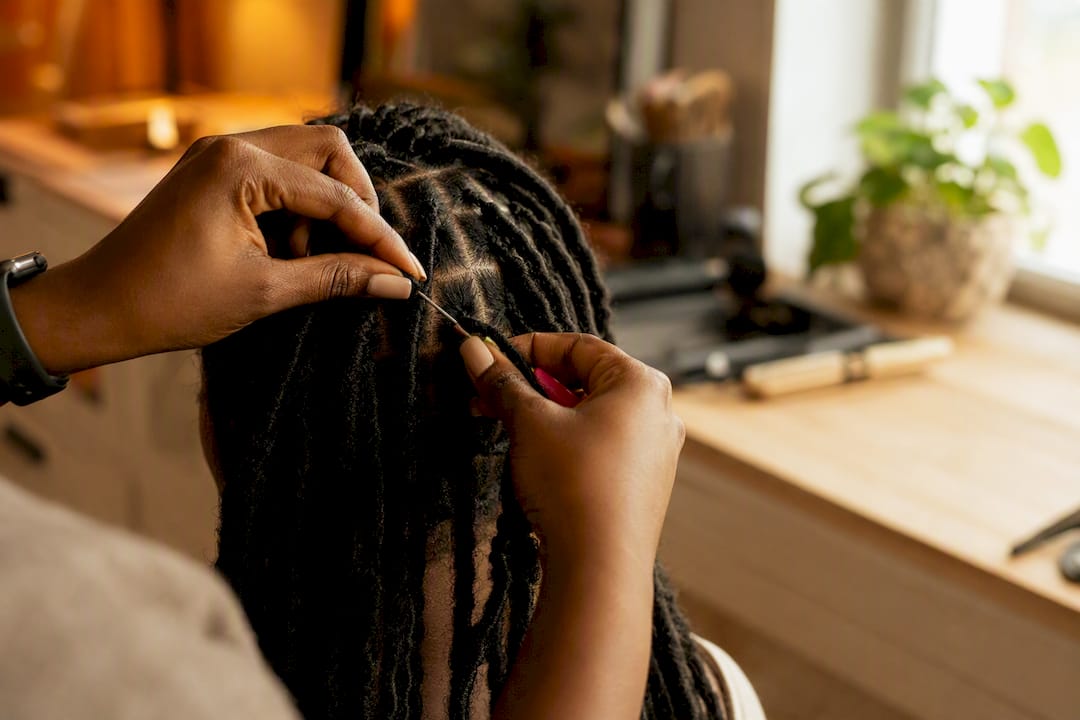
The install method you choose changes everything from your appointment length to how natural the final look feels. Crochet installs use pre-looped hair pulled through a braided base with a crochet hook, and some quick crochet installs take about an hour or slightly more, making this the go-to for anyone who needs a fast turnaround.
Individual wrap installs take considerably longer because each loc is built by hand, wrapping extension hair around your natural strands section by section. Depending on length and density, a full wrap install often runs 4 to 8 hours.
Quick comparison:
- Crochet method: Faster, less tension on the scalp during install, slightly less natural-looking up close.
- Individual wrap method: Slower, but blends more seamlessly with natural hair movement.
- Materials: Stylists typically recommend 6 to 8 packs of water wave hair for a full butterfly loc install, with lengths ranging from 10 to 14 inches for shorter looks up to 22 to 28 inches for dramatic long styles. Marley and Kanekalon hair work for classic and soft locs.
- Braid base: Feed-in or brick-lay cornrow patterns distribute tension more evenly across the scalp than a standard box braid base, which matters most on longer, heavier installs.
Choosing the Right Faux Locs for Your Hair and Lifestyle
Most stylists want at least 2 to 3 inches of natural hair to braid a stable base, though shorter hair can still work with smaller sections and lighter water-wave extensions to keep the overall weight manageable. If your hair is shorter than that, ask about a crochet method with smaller partings instead of a full wrap.
Loc thickness matters more than most people realize. Thinner locs look more delicate and move more freely, but they also mean more strands, more install time, and more tension points across your scalp. Thicker locs install faster with fewer sections, but they weigh more per strand.
- Preparation steps: Detangle thoroughly, stretch your natural hair (blow-dry or braid-out), and start with a clean, product-free scalp.
- Best-adapting textures: Coarser, curlier textures tend to blend more seamlessly with butterfly and soft locs.
- The real tradeoff: realism and longevity usually cost you install time and scalp comfort, while faster, lighter methods sacrifice a bit of that seamless finish.
How Long Faux Locs Last and How to Keep Them Looking Fresh
Most faux locs last 4 to 8 weeks, with butterfly locs typically falling on the shorter end at 4 to 6 weeks because the looser texture tends to frizz and slip sooner than a sealed, classic loc.
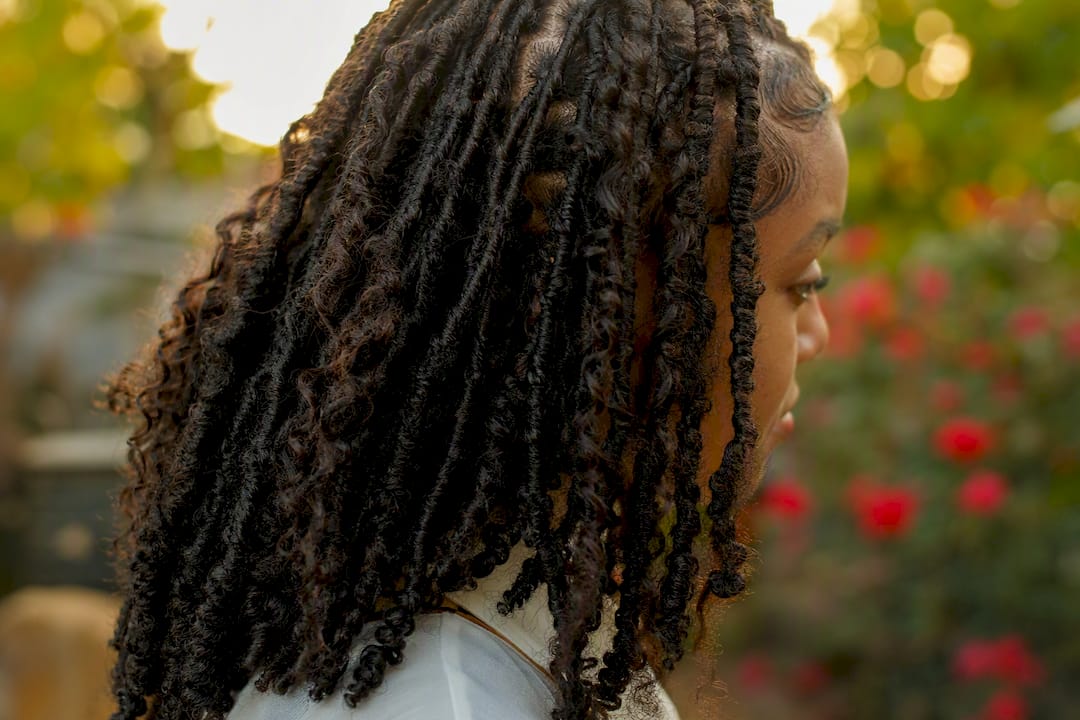
Nighttime care matters more than any product you’ll buy. Sleep in a satin bonnet or scarf to cut down on friction, and skip heavy oils directly at the root, since buildup there attracts lint and speeds up frizz. A lightweight styling product, like QAI Texture Ultra Light Styling Cream, can smooth flyaways without weighing down the ends.
Watch for red flags that mean it’s time to take the style down early: persistent pulling at the hairline, a sore or tender scalp, or locs slipping loose faster than expected. Continuous tension from any protective style can lead to traction alopecia, so don’t wait out discomfort hoping it’ll pass. Between installs, a light mist of water and leave-in conditioner refreshes the look without disturbing the base.
Styling Ideas That Work for Everyday Wear and Special Events
Faux locs handle nearly every styling mood, from a rushed Monday morning to a red-carpet moment. Here’s how to work with what you’ve got:
- High ponytail: Gather locs at the crown and secure loosely to avoid extra pull on the hairline.
- Half-up bun: Pin the top section back and let the rest fall for a quick, low-effort daytime look.
- Low sleek bun: Smooth the front, wrap the length into a low bun, and finish with two or three metallic cuffs near the ends.
- Side-swept style: Pull the majority of locs over one shoulder for events or photos.
- Defined part with cuffs: Use a rat-tail comb for a crisp part, then space beads or cuffs a few inches apart rather than clustering them, which keeps weight even.
Ombre placement works best when the color transition starts past the midpoint of the loc, so regrowth and root stress stay less noticeable over time.
Why Try Faux Locs Virtually Before You Commit
Picking between short butterfly locs and a dramatic long goddess style is hard to judge from a photo of someone else’s face. Digital preview tools solve that specific problem, and curated virtual try-on for Black hair textures genuinely builds confidence in a length or color decision before you sit in a chair for six hours.
StyleMyCrown’s catalog includes over 528 styles built around real Black hair textures, and every new account starts with 10 complimentary trial credits, enough to test several options without spending anything.
A workflow that actually works:
- Pick three styles from the gallery that match the vibe you’re after.
- Try each one on your own photo to see how length and color actually sit on your face.
- Save screenshots and bring them to your appointment.
Pro Tip: Test one color-heavy option and one all-natural option side by side. Color changes how a style reads on camera far more than length does, and most people underestimate that until they see it on their own face.
Once you’ve narrowed your choices, showing a stylist an exact screenshot removes the guesswork that usually happens in the chair.
Removal Techniques and Timelines
Taking down faux locs takes patience, not force. Rushing the process is the single fastest way to snap natural hair or strip your edges.
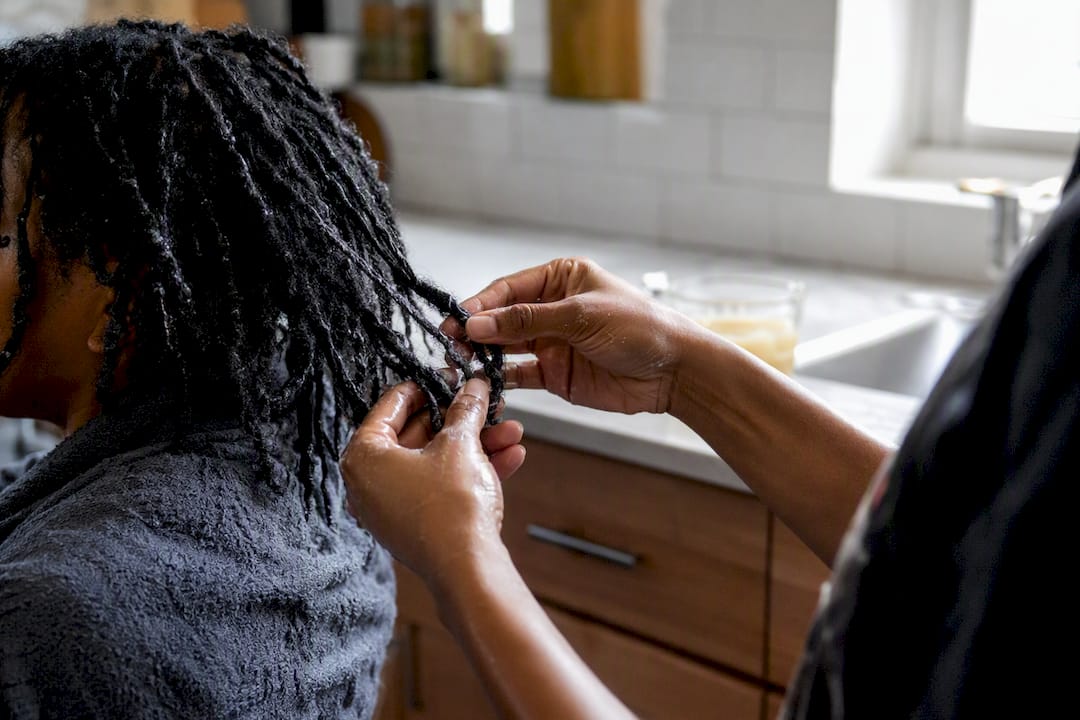
Start by saturating the locs with a mix of conditioner and warm water, or a dedicated loc remover spray, to loosen the synthetic hair from your natural strands. Work in small sections, starting at the ends and unraveling upward toward the braid base, snipping the synthetic hair away with blunt-tip scissors as you go rather than yanking. For a full head of medium to long locs, plan on 2 to 4 hours, sometimes longer for very long or dense installs. Crochet installs often come down faster than individual wraps, since there’s typically less synthetic hair wrapped per strand.
Once the extensions are out, detangle gently with a wide-tooth comb starting at the ends, and deep condition immediately. Natural hair that’s spent 6 to 8 weeks braided tends to feel dry and matted at first, and that’s normal, not a sign of damage. Avoid brushing or combing while dry.
If you’re not confident doing it solo, most braid stylists offer takedown services separately from installs, and it’s worth the appointment if your hair matted significantly during wear. Trying to power through a difficult takedown alone is where most avoidable breakage happens.
Potential Risks and How to Avoid Damage
Tension is the biggest risk with any faux loc install, and it usually shows up at the hairline first. Locs braided too tightly at the root pull on the follicle every time you move, sleep, or tie the style up, and over weeks that repeated stress is what leads to thinning edges.
Product buildup is the quieter risk. Heavy oils and butters applied directly at the root trap sweat, lint, and dead skin against your scalp, which can cause itching, odor, and in some cases minor infection if left unaddressed for the full 6 to 8 weeks of wear.
Breakage tends to happen at takedown, not during wear, which is exactly why rushing removal is so risky.
To protect your hair during the install itself:
- Ask your stylist to test tension at your hairline before finishing the full head, not after.
- Choose feed-in or brick-lay bases over standard box braids for anything longer than medium length.
- Keep root care light. A water-based leave-in beats a heavy oil every time.
- Reschedule or loosen the style at the first sign of a sore scalp rather than waiting it out.
Seasonal and Event-Specific Faux Loc Styles
Faux locs adapt well to specific occasions once you know which family fits the moment. Bridal styles usually lean toward goddess or bohemian locs, since the loose curly ends photograph softly and pair naturally with floral accessories or a veil without competing for attention. A low, sleek bun with a few gold or pearl cuffs reads elegant without looking overdone in wedding photos.
Festival season calls for the opposite energy. Butterfly locs with color placed at the ends, paired with beads, wrapped thread, or small braided accent pieces, hold up through heat and movement while still looking intentional after a full day outdoors. Half-up styles with face-framing pieces left loose work especially well here since they stay put without much mid-day maintenance.
Winter and holiday styling tends to favor deeper tones, burgundy or espresso ombre on classic or soft locs, styled into a low bun or side-swept look for indoor events. Summer pulls in the opposite direction with lighter, brighter colors and looser, more textured styles like bohemian locs that move with humidity instead of fighting it.
The occasion should drive the family you pick, not just the color. A sleek classic loc might be the right call for a formal event, while that same look at a beach festival will read stiff next to the softer, more textured styles everyone else is wearing.
What Actually Matters When Picking a Faux Loc Style
Most guides treat faux locs as a single style choice, when really it’s three separate decisions stacked together: the family (butterfly, soft, goddess, classic), the length, and the install method. Conflating those is why so many people end up disappointed with a result that technically matches their inspiration photo but feels wrong on their own head.
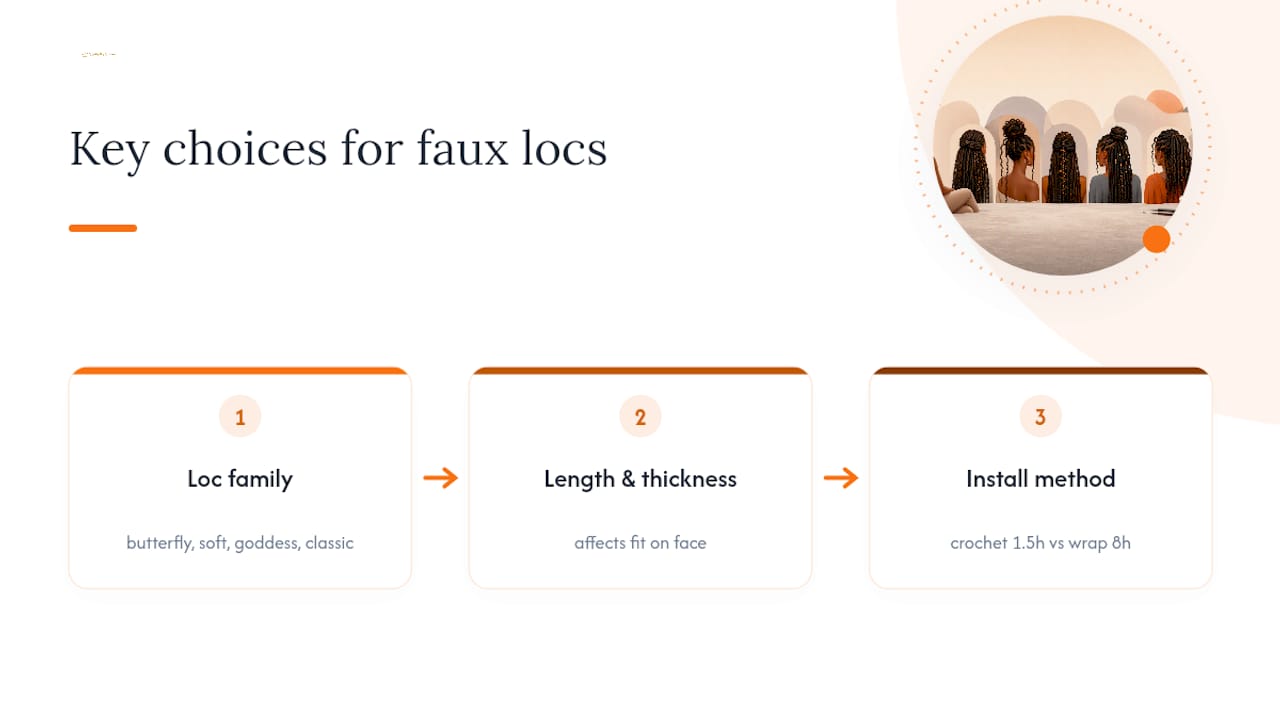
The conventional advice tells you to pick a style based on how it looks in a photo. That’s backwards. Length and loc thickness change how a style sits on your specific face and shoulders far more than the family name does, and a butterfly loc that looks effortless on a longer face can read heavy on a rounder one. The install method matters just as much as the visual: a crochet install at 1.5 hours is a fundamentally different commitment than an 8 hour wrap, even if the final look is nearly identical.
If you take one thing from this guide, prioritize testing length and color on your own photo before you book anything. Everything else, cuffs, parting, occasion styling, is reversible. A length or color mistake is the one you’re stuck wearing for six weeks.
— Christelle
Preview Your Next Faux Loc Style Before You Book
Skipping straight to a salon chair means guessing at length and color from someone else’s photo, and that guess is exactly where most install regrets start. StyleMyCrown lets you upload your own photo and preview any style from over 528 options across butterfly, soft, goddess, and bohemian families, so the decision is based on how it actually looks on you, not on a stranger with a different face shape.
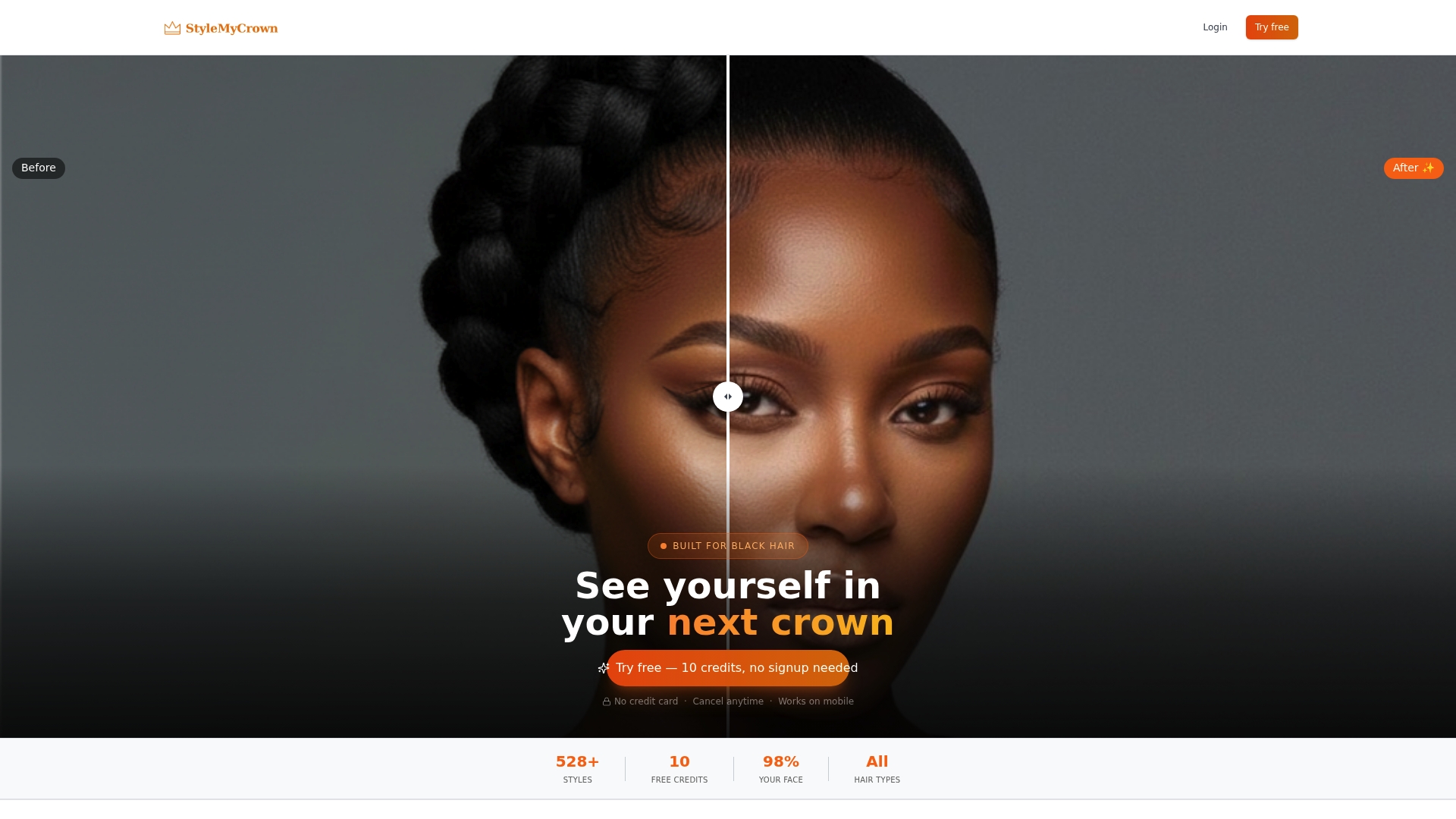
Every new account starts with 10 complimentary credits, enough to test a handful of lengths and colors side by side before spending a dollar on extensions or an appointment. Start in the Style Catalog, try your top three picks, and save the screenshots. When you’re ready to book, browse the Stylist Catalog to find someone who can bring that exact look to life.
Sources
- Carol’s Daughter — Your ultimate guide to the butterfly locs hairstyle
- CurlyNikki — Try This Faux Locs Short Cut for Quick Installs
- Nakuru Locks — Crochet faux locs hairstyles 2026 guide
- HairWithStyle — Butterfly locs hairstyle ideas that blend


