Try Honey Blonde on Dark Skin: 2 Photo Previews and No Bleach Options

Try Honey Blonde on Dark Skin: 2 Photo Previews and No Bleach Options
Yes, honey blonde looks stunning on dark skin, and it works because the golden, amber base echoes the warmth already in most brown and deep complexions. The catch is matching the exact tone to your undertone and picking a placement your hair can handle without falling apart. Before you commit to bleach, preview the shade on your own photo or book a consult so the first cut you see is the one you actually wanted.
TL;DR:
- Moving from dark brown or black to honey blonde generally requires staged salon sessions spaced several weeks apart to reduce damage and maintain hair health.
- Matching the honey blonde shade to warm undertones involves richer caramel or golden hues, while cool undertones are better suited to sandier, muted shades.
- At-home bleaching cannot reliably achieve honey blonde from very dark hair, and strand tests 48 hours prior to coloring are essential to avoid uneven results.
- Regular toning glosses every four to six weeks and sulfate-free, moisturizing products are key to preventing brassiness and dullness in honey blonde hair.
- Protective styles like braids or extensions with honey blonde shades offer damage-free options for testing color, ideal for curly or textured hair.
Table of Contents
- What Is Honey Blonde, and Why It Works on Dark Skin
- How to Match Honey Blonde to Your Undertone
- Getting Honey Blonde on Dark Hair: Methods and Timelines
- Keeping Honey Blonde Fresh: The Anti-Brass Routine
- Styling Honey Blonde Across Braids, Curls, and Face-Framing Pieces
- See It Before You Commit to It
- Products That Actually Protect Color-Treated Dark Hair
- The Real Damage Risks of Bleaching Dark Hair to Honey Blonde
- Common Mistakes When Dyeing Dark Hair Honey Blonde
- Seasonal Care: Sun, Humidity, and Honey Blonde
- A Stylist’s Note on Honey Blonde and Texture
- Preview Honey Blonde on Your Own Photo Before You Book Anything
- Sources
- FAQ
What Is Honey Blonde, and Why It Works on Dark Skin
Honey blonde is a warm, golden shade built on amber and caramel depth rather than the ash or platinum base that tends to wash out darker complexions. That warmth is exactly why it reads so naturally against dark skin. It grows out softly instead of leaving a hard demarcation line, which means less frequent root touch ups than you’d need with a cooler, lifted blonde.
Here are 10 honey blonde looks worth studying before your next appointment, ranked loosely from lowest to highest commitment.
- Dark honey stays closest to your natural depth, works on every undertone, and needs the least upkeep since the color barely lifts past your base.
- Caramel honey balayage hand paints warm streaks through mid-lengths and ends, suits warm and neutral undertones, and keeps roots dark for a soft grow out.
- Golden honey pushes brighter and richer, flattering warm undertones especially well, though it demands a gloss refresh sooner than the darker versions.
- Light honey money pieces frame the face with two or three face-brightening strands, a low-commitment way to test the shade without touching the rest of your hair.
- Honey ombré graduates from dark roots into honey ends, a forgiving option for anyone who wants distance between color sessions.
- Chunky honey streaks deliver bold contrast and work best on those who already have some warmth in their skin, since the effect is loud by design.
- Honey on braids or wigs gives you the full look with zero chemical process on your natural hair, ideal if you want to test the shade before ever touching bleach.
- Honey balayage on curls uses curl by curl painting so ringlets and coils keep their shape instead of flattening under a heavy application.
- Root melt with honey lengths blends a soft transition zone into honey ends, a technique balayage and root-melt specialists favor for textured hair because it preserves the hair’s integrity.
- Honey with brown lowlights adds dimension back into an all-over honey color, preventing the flatness that can happen with one uniform tone.
Each one asks something different of your hair and your calendar, so the right pick depends on how much maintenance you’re actually willing to sign up for.
How to Match Honey Blonde to Your Undertone
Your undertone decides whether a shade glows or goes flat against your skin, and figuring it out takes about thirty seconds. Look at the veins on your inner wrist in natural light: green veins usually mean warm undertones, blue or purple veins point to cool, and a mix of both signals neutral.
- Warm undertones (golden, olive, or peachy) pair best with richer caramel honey or golden honey, shades with enough depth to complement rather than compete with your natural warmth.
- Neutral undertones do well with a mid-tone honey, warm enough to brighten the face without tipping into either extreme.
- Cool undertones look better in a sandier, more muted honey rather than a shade dripping in gold, which can clash instead of complement.
Placement matters just as much as tone. Money pieces and balayage are the safer entry points because they let you test the color on a small section before deciding whether to commit further. Full color is a bigger step, and it usually only makes sense once you’ve already lived with a smaller version and you’re ready for staged lifts and a real maintenance routine.
Getting Honey Blonde on Dark Hair: Methods and Timelines
Moving from dark brown or black to honey blonde almost always requires staged salon sessions rather than one dramatic appointment, since lifting several levels in a single sitting puts real stress on the hair shaft. Expect sessions spaced a few weeks apart if you’re going more than two or three levels lighter.
- Staged lifting removes pigment gradually across multiple visits, the safest route for very dark or coarse hair.
- Balayage hand paints lightener onto select sections, leaving your base largely untouched and grow out soft.
- Foil highlights create more uniform, consistent lightening throughout, good for an all-over honey effect with defined dimension.
- Wigs and pre-colored extensions deliver the full look with no chemical process at all, a smart option if you want to live with honey blonde before deciding it’s worth the commitment.
At-home kits have real limits here. Box dyes can warm up an already-light base, but they cannot reliably lift very dark hair to honey blonde in one shot, and a botched at-home lift is far more expensive to fix than it would have been to do right the first time.
Pro Tip: Always do a strand test 48 hours before any at-home color, even a “gentle” honey blonde kit. Dark hair processes unevenly, and a strand test is the only way to know how your specific hair will respond before it’s on your whole head.
Keeping Honey Blonde Fresh: The Anti-Brass Routine
Honey blonde is forgiving compared to platinum, but it still needs a real maintenance plan or it turns brassy and dull within weeks. Build your routine around these basics:
- Use a sulfate-free shampoo and a moisturizing conditioner for every wash, since dry, color-treated strands break faster than well-hydrated ones.
- Add a deep conditioning mask once a week to replace protein and moisture the lightening process stripped out.
- Reach for a gold-toning gloss rather than a purple shampoo. Purple is built to cancel yellow and orange, but on honey blonde it can dull the very warmth you’re trying to keep.
- Book a toning gloss every four to six weeks to keep the color looking intentional rather than faded.
A first-time transformation from dark hair to honey blonde typically runs $200 to $400, with maintenance glosses running $40 to $80 and full balayage refreshes every 8 to 12 weeks. Budget for both the big appointment and the smaller ones that keep it looking right in between.
Styling Honey Blonde Across Braids, Curls, and Face-Framing Pieces
Textured hair opens up options that don’t require touching your natural strands with bleach at all, and that flexibility is worth using. Braids and extensions in a honey blonde shade give you the full color instantly, with zero chemical risk to your own hair, though they still need proper edge care and a satin scarf at night to last. If you want inspiration for pairing color with protective styles, natural updo hairstyles built for different textures are a solid starting point.
Money pieces brighten your face without asking you to commit to a full head of color, which makes them the lowest-risk way to test honey blonde in real life. Ombré and root melt techniques grow out gently, so you’re not stuck booking a touch up every six weeks just to avoid a visible line. Curl-by-curl painting keeps ringlets and coils intact instead of flattening them under one heavy, uniform application, which is why balayage remains the preferred technique for coily and curly textures.
See It Before You Commit to It
Virtual try-on tools solve the biggest problem with honey blonde: you don’t know how a shade interacts with your undertone until it’s already on your head. Uploading your own photo and previewing caramel honey, golden honey, or a money piece placement shows you the contrast and warmth before a single strand touches bleach. It also saves you from paying for a salon session on a shade that just doesn’t do what you hoped, which is a far more common outcome than most people expect.
Products That Actually Protect Color-Treated Dark Hair
Bleached or lifted hair loses moisture and protein faster than untouched strands, so your product lineup needs to work harder than it did before. Start with a bond-building treatment used at home between salon visits. These formulas rebuild some of the internal structure that lightener breaks down, and they matter more for dark hair going honey blonde than for a light-to-light color change, since the lift is usually bigger.
Follow with a color-safe, sulfate-free shampoo and a rich leave-in conditioner, since honey blonde hair tends to feel drier at the ends where the color processed longest. A lightweight hair oil, argan or jojoba work well, seals the cuticle and adds shine without weighing down curls or coils. Weekly protein masks matter too, but don’t overdo them. Too much protein on already-fragile lightened hair can make it stiff and prone to snapping, so alternate protein treatments with pure moisture masks instead of stacking protein every single week.
Heat protectant is non-negotiable if you’re straightening or curling honey blonde hair regularly, since color-treated strands are more porous and burn more easily than virgin hair. And if you’re swimming, a leave-in with UV filters helps block the chlorine and sun combination that turns honey blonde brassy within days.

The Real Damage Risks of Bleaching Dark Hair to Honey Blonde
Lightening dark hair to honey blonde means stripping out melanin, and that process breaks down the protein bonds that give hair its strength. The bigger the lift, the more stress on the hair shaft, which is exactly why staged sessions exist instead of one aggressive appointment. Skipping that staging is the single biggest cause of the brittle, straw-like texture people associate with “bleach damage.”
Overlapping bleach onto already-processed hair is another major risk. If your colorist (or you, at home) reapplies lightener to strands that were treated in a previous session, that overlap zone becomes dramatically weaker and can break off entirely. This is one of the strongest arguments for professional application on multi-level lifts, since a trained colorist tracks exactly where previous color sits and avoids that overlap.
Heat styling right after a lightening session compounds the damage, since freshly bleached hair is at its most porous and fragile in the days immediately following the appointment. Give it at least a week before reaching for a flat iron, and use a heat protectant every time after that.
Deep conditioning treatments, minimizing heat styling, and spacing out your lightening sessions by several weeks are the three moves that do the most to keep honey blonde hair intact rather than crispy. If your hair starts feeling gummy or overly elastic when wet, that’s a sign of protein loss serious enough to pause further lightening until you’ve done real repair work.

Common Mistakes When Dyeing Dark Hair Honey Blonde
The most frequent mistake is trying to skip the staging process to save time or money, going straight from black to honey blonde in one sitting instead of spreading the lift across multiple sessions. That shortcut is exactly how hair ends up damaged, uneven, or breaking off in patches.
A close second is choosing a shade based on a photo of someone with completely different skin undertones. A caramel honey that glows on a warm undertone can look muddy or ashy on someone with cool undertones, which is why matching the shade to your own skin matters more than matching it to an inspiration picture.
Skipping the strand test is another common error, especially with at-home kits. Dark hair doesn’t process evenly, particularly if you have different porosity levels throughout your head from previous coloring or heat damage, and a strand test is the only way to catch that before it’s a problem on your whole head.
Finally, plenty of people underestimate the toning commitment honey blonde requires. It’s lower maintenance than platinum, but it still needs a gloss every four to six weeks to stay warm instead of turning brassy, and skipping that step is how a beautiful honey blonde turns dull and orange within a month.
Seasonal Care: Sun, Humidity, and Honey Blonde
Sun exposure actually works in honey blonde’s favor visually, since UV rays naturally warm and brighten lightened hair, giving it that sun-kissed lift many people chase with balayage in the first place. The tradeoff is that sun also dries out already-porous color-treated strands faster than it dries virgin hair, so summer months call for more frequent deep conditioning and a leave-in with UV protection if you’re outside often.
Chlorine and saltwater are bigger threats than sun alone. Both pull moisture and color out of lightened hair, and chlorine in particular can shift honey blonde toward a dull, sometimes greenish cast if you swim without protection. Wetting hair with fresh water before swimming and rinsing immediately after limits how much pool or ocean water your strands actually absorb.
Cold, dry winter air brings the opposite problem: brittleness rather than fade. Indoor heating strips moisture from the air and from your hair at the same time, so a heavier leave-in or overnight oil treatment becomes more important once temperatures drop. Whatever the season, the core rule stays the same: color-treated dark hair needs more hydration than it did before you lightened it, and how much more depends on how far you lifted and how often you’re out in the elements.
A Stylist’s Note on Honey Blonde and Texture
Curl pattern and density change how honey blonde reads, so protect them first: space out lifting sessions, deep condition between appointments, and resist over-processing coils just to chase one more shade level. Bring your colorist clear reference photos, or preview the shade yourself first, so the conversation starts from what actually works on your hair.
— Christelle
Preview Honey Blonde on Your Own Photo Before You Book Anything
Most people choosing between salon quotes and box dye are stuck guessing how a shade will actually look on their face and their texture. Skip the guesswork by uploading your own photo and previewing honey blonde, caramel honey, or a money piece placement using virtual try-on technology designed for Black and textured hair, featuring a large catalog of styles reflecting diverse hair textures. Your face data stays private and is never used for AI training, so you can experiment freely before spending a dime on bleach.
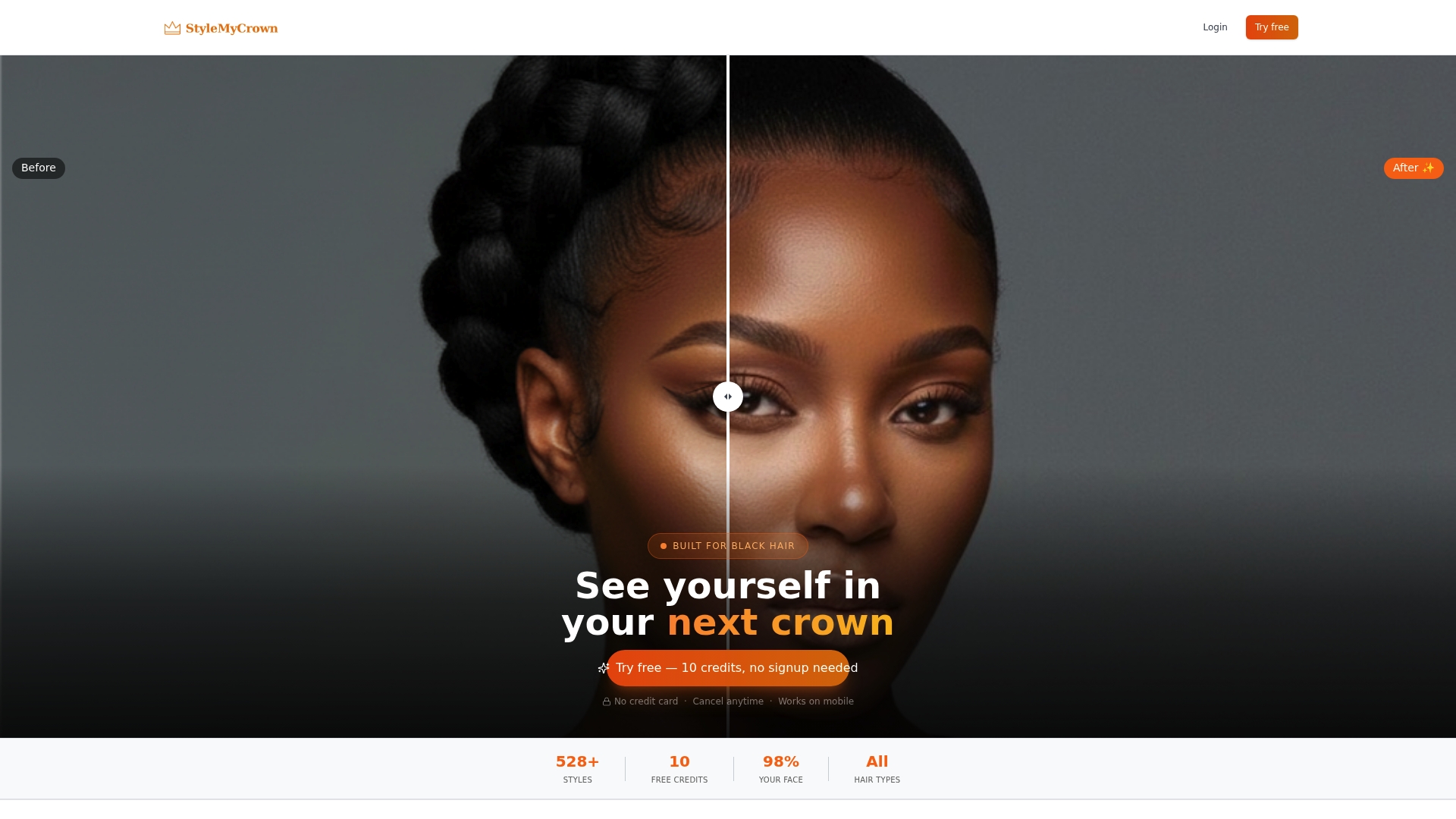
Start with two complimentary try-on credits to test a shade risk-free, then browse the full style catalog for placement ideas that fit your texture. Ready to see more looks? The 1 Week Trial runs $17.48 per week, and the 4 Week Plan runs $38.73 per 4 weeks for anyone who wants more time to compare shades before booking a real appointment.
Sources
This guide draws on stylist color breakdowns from Hairstylester, skin tone matching advice from Lovelyish, and inspirational galleries from Unice and Allure.
- Honey Blonde Hair Colors With Soft Glow Low Maintenance And Shine
- Honey blonde hair color ideas
- Sun-Kissed & Stunning: 10 Honey Blonde Looks That Slay on Dark Skin Tones
FAQ
Does Honey Blonde Look Good on Dark Skin?
Yes, honey blonde tends to look especially good on dark skin because its golden, amber base mirrors the warmth already present in most deep complexions. The key is matching the exact tone, caramel honey, golden honey, or dark honey, to your specific undertone rather than picking a shade because it worked on someone else.
What Skin Tone Suits Honey Blonde?
Warm and neutral undertones suit honey blonde most naturally, since the shade’s golden base complements rather than competes with warmth already in the skin. Cooler undertones can still wear honey blonde well by choosing a sandier, more muted version instead of a heavily golden one.
What Shade of Blonde Is Best for Dark Skin?
Honey blonde, caramel honey, and dark honey are consistently recommended as the best blonde shades for dark skin because their warmth brightens features without washing out the complexion. Pairing any of these with darker roots or lowlights adds dimension and avoids the flat look a single uniform tone can create.
What Colors Do Not Look Good on Dark Skin?
Ashy or overly cool platinum blondes tend to look flat and can wash out dark skin, since they strip away the warmth that flatters most deep complexions. Colors with heavy gray or icy undertones generally work against dark skin unless carefully balanced with warm lowlights.
How Much Does It Cost to Go Honey Blonde From Dark Hair?
A first salon transformation from dark hair to honey blonde typically runs $200 to $400, with toning glosses afterward costing $40 to $80 and needed every four to six weeks. Full refreshes or balayage touch ups are usually scheduled every 8 to 12 weeks depending on how fast your hair grows out.


