Low Tension Braid Trends 2026: Preview 528 Looks, 10 Free Credits
Low Tension Braid Trends 2026: Preview 528 Looks, 10 Free Credits
Knotless and jumbo knotless box braids, feed-in cowgirl braids, boho braids, Fulani hybrids, crown and ivy braids, micro braids, and Marley twists define braid trends 2026. Every one of them can protect your hair, but only if the installation stays low-tension and the extension weight matches what your natural strands can actually carry. Get those two things wrong and even the prettiest style becomes a fast track to edge damage. Below, we break down each trend, how to install and maintain it safely, and how to preview a look before you sit in a chair for six hours.
TL;DR:
- Choose low-tension, smaller or lightweight styles like knotless box braids, Marley twists, or Fulani hybrids to minimize damage and scalp stress.
- Prioritize proper preparation, such as detangling and light texturizing, and ask stylists about extension weight limitations to prevent breakage.
- Use human-hair extensions for softer styles and synthetic fiber for budget-friendly, low-manipulation looks, applying maintenance products as recommended.
- Preview styles and colors digitally before booking, ensuring they complement your face shape and skin tone to avoid costly mismatches.
- Recognize the cultural significance of styles like cowrie shells and Fulani patterns to honor their traditional roots while choosing protective, low-tension options.
Table of Contents
- Braid Trends 2026: The Styles Everyone’s Wearing
- Getting the Look Without Wrecking Your Edges
- How to Choose the Right Braid for Your Goals
- Preview the Style Before You Commit to the Chair
- 2026 Braid Color Trends Worth Trying
- How Celebrities and Influencers Are Shaping This Year’s Braids
- Why These Braids Carry Real Cultural Weight
- What to Buy for Installing and Maintaining Your Braids
- The Braid I’d Actually Recommend This Year
- Try Before You Braid: A Risk-Free Way to Test 2026 Looks
- Sources
Braid Trends 2026: The Styles Everyone’s Wearing
The dominant theme this year isn’t a single silhouette. It’s a shift in how braids get made. Stylists across the board are prioritizing lived-in texture and lighter tension over rigid, scalp-pulling perfection, and that shows up across nearly every trending style.
- Knotless and jumbo knotless box braids. These remain the backbone of protective styling because the feed-in method starts with your own hair, distributing tension gradually instead of anchoring a knot at the root. Jumbo sizing cuts install time dramatically and works well for anyone chasing length retention without a full day in the chair.
- Feed-in and cowgirl braids. Free-moving, often finished with beads or cowrie shells, these have become one of the defining looks of the year. Stylists and culture writers have pointed out that the cowrie-shell revival is as much cultural reclamation as it is aesthetic, tying the style back to its West African roots rather than treating it as a passing accessory trend.
- Boho braids with miracle knots. Editors are calling out boho styles specifically as a protective braid style for 2026, and the installation has evolved. Miracle knots, done with human-hair pieces, cut down on scalp irritation and produce a softer, more natural curl fall than older methods.
- Fulani and Tyla-inspired hybrids. Front cornrows paired with a sew-in or bob in the back give you the graphic detail of Fulani braiding without committing to a full head of cornrows. Done carefully, the front section stays protective; done carelessly, the cornrows at the hairline take the brunt of the tension.
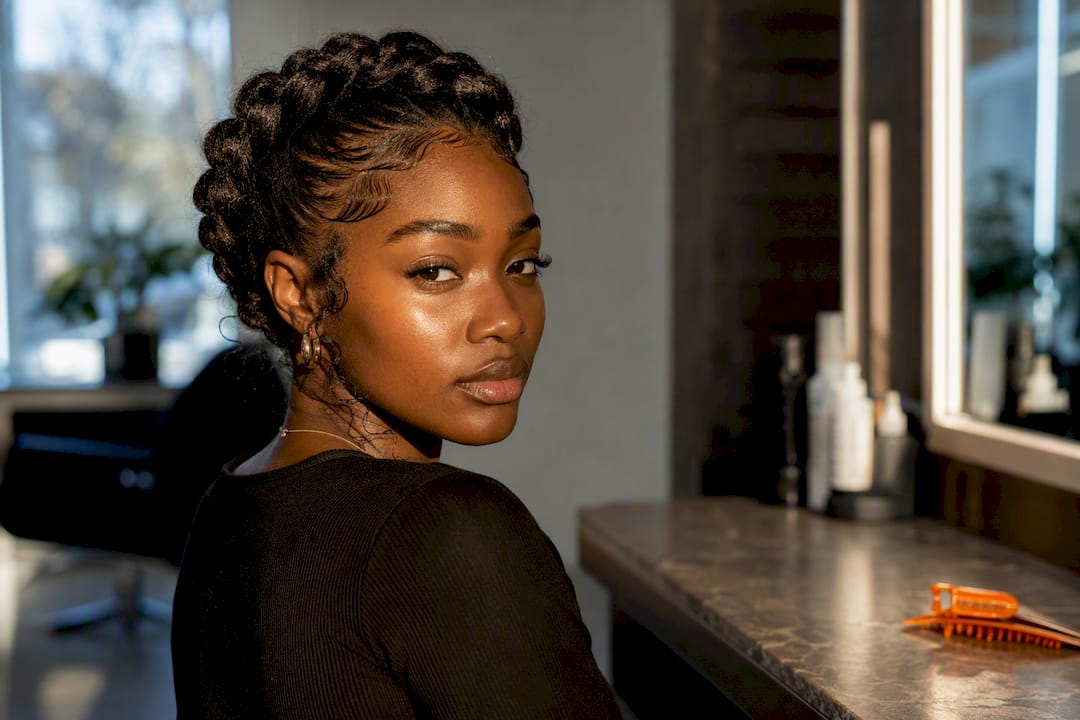
- Crown and ivy braid revival. The crown braid has come back softer and less structured, worn on red carpets and in everyday street style with deliberately undone edges. Ivy braids follow the same low-tension logic, and both sit at the center of what Allure calls 2026’s move toward low-tension natural hairstyling.
- Micro braids. Ultra-fine and durable, micro braids are one of the season’s biggest trends, but they demand serious installation time. Some stylists now shortcut the process with sew-in or crochet bases topped with feed-in clusters, trading a bit of authenticity for hours of chair time saved.
- Marley twists and non-extension natural twists. Lightweight and low-manipulation, these skip the knot-and-tension cycle almost entirely, making them a strong pick for anyone whose scalp has been through a rough braid season.
Not every style on this list suits every head, and that’s the point. Match the trend to your hair’s actual condition, not just to what’s trending on your feed.
Getting the Look Without Wrecking Your Edges
A style only counts as protective if the installation respects your hair’s limits. That starts before you ever sit in the chair.
Prep matters more than people think. Freshly washed, ultra-slippery hair can actually work against you with certain feed-in techniques, since the braider needs a little grip to control the parting and prevent slipping. A light texturizer or a pass of dry shampoo the day before an appointment often makes knotless and feed-in styles easier to install with less pulling.
From there, the installation choices matter just as much as the style itself:
- Choose knotless over traditional box braids whenever your edges are already fragile. The gradual tension distribution reduces the pinpoint stress that causes traction alopecia at the hairline.
- Ask about extension weight before size or length. Even a low-tension technique can damage hair if the extension is heavier than your natural strand can carry, so match braiding hair thickness to your own density rather than to a photo.
- Consider miracle knots or crochet bases for boho and curly styles. These methods reduce scalp irritation and cut installation time, especially when done with human hair rather than synthetic fiber.
- Set a removal date before you install. Most protective styles top out around six to eight weeks; going longer invites matting and buildup at the root, no matter how well the style was installed.
Once the braids are in, the maintenance routine determines how long they last and how your hair looks underneath when you take them out. Wash every one to two weeks with a diluted shampoo focused on the scalp, follow with a lightweight scalp serum if you notice dryness, and wrap or bonnet your hair in satin or silk every night. Skipping the wrap is one of the fastest ways to turn a protective style into a frizzy, tangled mess by week three.
Pro Tip: If your scalp is tender, pink, or visibly irritated within the first 48 hours after installation, that is not “breaking in” the style. That is a sign the braid is too tight, and leaving it in risks permanent hairline thinning. Call your stylist and ask about loosening or re-parting the affected sections before it progresses.
Watch for red flags beyond irritation, too: sharp pain during installation, visible bumps at the root, or extensions that feel noticeably heavy by the end of the day. Any of those means the style needs adjusting, not toughing out.
How to Choose the Right Braid for Your Goals
Different goals call for different styles, and matching the two up front saves you a bad salon experience.
- If you want length retention with minimal upkeep: knotless box braids, Marley twists, or micro braids fit best. All three minimize manipulation over a multi-week span.
- If you’re styling for an event or a photo-heavy stretch: boho braids, crown braids, or Fulani hybrids give you a polished, camera-ready look without the multi-hour install time of micro braids.
- If you’re avoiding extensions entirely: ivy braids and Tanavoho-style braids, done on natural hair alone, deliver the low-tension aesthetic without added weight.
Before booking, run through a short mental checklist: How sensitive is your scalp right now? How many hours and how much budget can you realistically commit? How long do you want the style to last? And how much salon time are you willing to sit through in one sitting?
Then ask your braider three direct questions: how they’ll adjust tension near your hairline, what extension weight they’re recommending for your specific density, and what aftercare they suggest for the first week. A stylist who answers those confidently is usually one who takes protective styling seriously. For a deeper breakdown of what makes a style genuinely protective versus just trendy, protective hairstyle criteria are worth reviewing before your appointment.
Preview the Style Before You Commit to the Chair
Deciding between a jumbo knotless install and a Fulani hybrid gets a lot easier when you can actually see it on your own face first. Stylemycrown’s virtual try-on lets you preview more than 528 curated hairstyles on your own photo, adjusting braid size, length, and color before you ever call a braider.
That matters most for the details a photo of someone else’s head can’t tell you. Whether a crown braid flatters your specific hairline, whether a bolder color reads well against your skin tone, or whether jumbo sizing overwhelms your face shape are all things you can test digitally first. New users get 10 complimentary credits, enough to compare a handful of knotless braid styles side by side before spending a dime on extensions.
2026 Braid Color Trends Worth Trying
Color choices this year lean toward warmth and dimension rather than flat, single-tone extensions. Chocolate cherry and copper tones are showing up heavily in feed-in and cowgirl braids, especially paired with beads that pick up the reddish undertone. Chunky, face-framing highlights, done in just a few strategic braids rather than throughout, are giving boho and Fulani styles a lived-in, sun-kissed effect without a full-head color commitment.
Deep burgundy and espresso blends are popular for micro braids and Marley twists, since the fine texture of both styles shows off subtle color transitions better than a chunkier braid would. For anyone hesitant to commit to color on their actual hair, braiding hair offers a low-risk way to experiment. Wrong shade, wrong vibe? It comes out with the style in six to eight weeks instead of growing out over months.
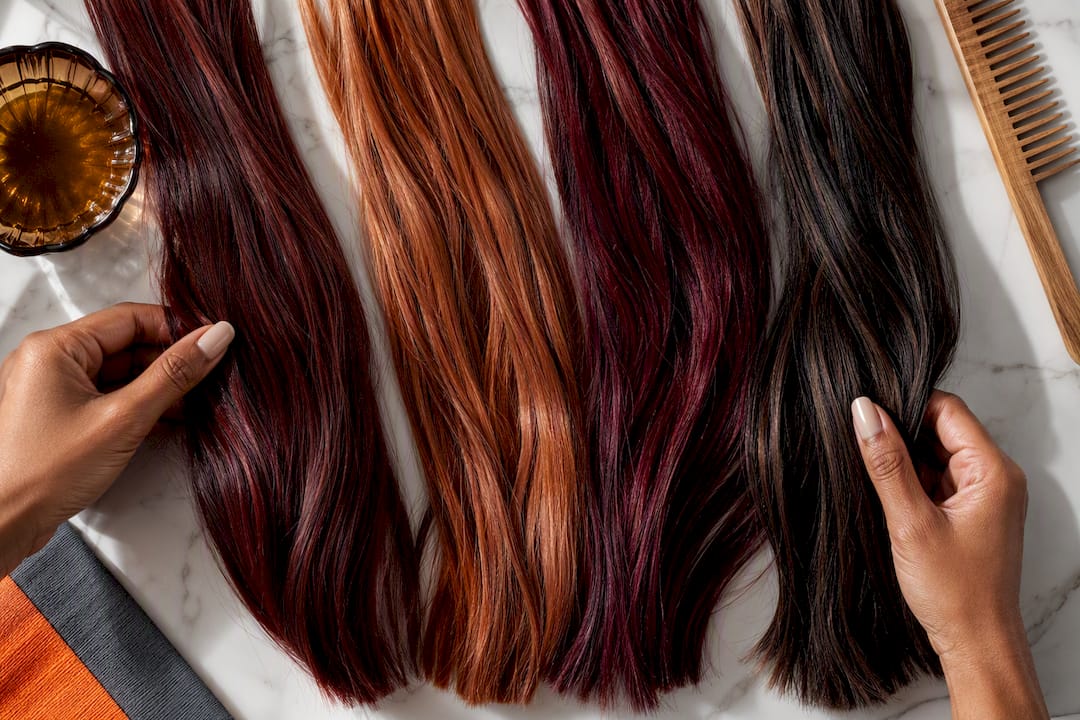
If you’re unsure whether a color will suit your skin tone before you buy a bundle of braiding hair, testing it digitally first avoids an expensive guessing game. Seeing copper or burgundy rendered on your own photo, rather than on a model in a salon lookbook, tends to make the decision a lot less stressful.
How Celebrities and Influencers Are Shaping This Year’s Braids
Red carpet appearances and street style moments have done more to shift braid trends in 2026 than any single salon campaign. The crown braid’s comeback is a direct example: stylists and editors have documented how celebrity styling made the look feel wearable again by softening it, pulling pieces loose, and pancaking the braid for fullness instead of styling it razor-tight.
Influencer content has pushed cowgirl braids and cowrie-shell embellishments from niche cultural styling into mainstream visibility, with creators showing installation process videos that demystify techniques once seen only in braiding shops. That visibility has a real upside: more people, including non-Black stylists, are learning to install these styles correctly instead of botching them. It also creates pressure, since a look that reads effortless on a red carpet often took a professional stylist two or three hours to build.
Micro braids saw a similar surge after high-profile appearances made the ultra-fine texture look modern rather than dated, which pushed demand up even as salons struggled to keep installation times reasonable. The result is more stylists offering hybrid methods, blending crochet or sew-in bases with feed-in clusters, specifically to meet that celebrity-driven demand without making every client sit for eight hours straight.
Why These Braids Carry Real Cultural Weight
Braiding has never been just a hairstyle within Black communities. Cornrow patterns have historically carried information about age, marital status, wealth, and even tribal affiliation across parts of West Africa, and the visual language of today’s Fulani and feed-in styles traces directly back to those traditions.
The cowrie shell resurgence in cowgirl braids isn’t a random accessory trend either. Cowrie shells have long held meaning in West African trade, spirituality, and adornment, and their reappearance on braids in 2026 has been described by stylists and culture writers as both an aesthetic choice and a cultural reclamation of a look that mainstream fashion has periodically borrowed without credit.
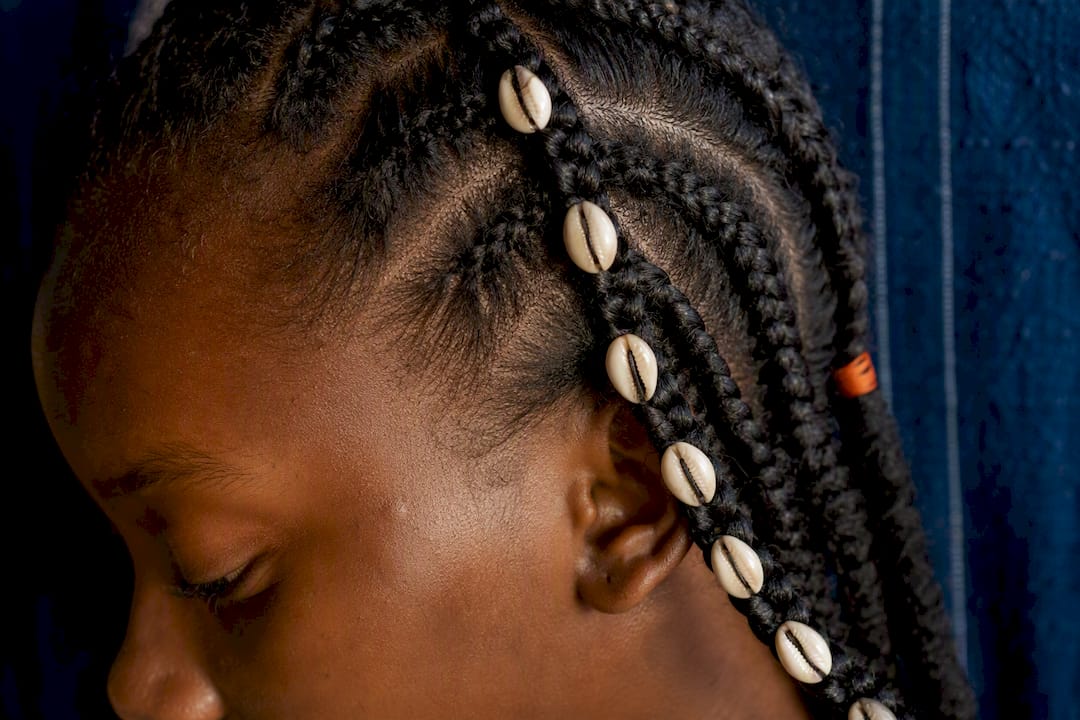
That history matters when you’re choosing a style for 2026, not because you need permission to braid your hair, but because understanding where a pattern or embellishment comes from adds real meaning to a look you might otherwise treat as purely decorative — as explored in this Hautpflege-Tipps, Trends & Wirkstoffe overview of broader beauty cycles. A Fulani hybrid isn’t just an aesthetic option. It’s a continuation of a braiding tradition that predates the word “trend” by centuries. Worth remembering the next time someone calls box braids “just a phase.”
What to Buy for Installing and Maintaining Your Braids
Getting a protective style to actually last requires a short list of the right products, not a full bathroom cabinet.
For installation, human-hair braiding extensions have become the preferred material for boho, crown, and Fulani styles in 2026 because they blend better and cause less scalp friction than synthetic fiber, though synthetic remains a budget-friendly, durable option for knotless box braids and Marley twists where blending matters less. A lightweight edge control or gel helps lay baby hairs without adding pulling tension, and a good detangling spray makes takedown far less painful months later.
For maintenance, a diluted, sulfate-free shampoo applied directly to the scalp handles buildup without saturating and weighing down the braids themselves. A scalp serum or oil with peppermint or tea tree helps with the itch that inevitably shows up around week two, and a satin or silk bonnet is non-negotiable for nightly wear if you want the style to survive past the first few days without frizzing. For anyone leaning toward twist styles instead of braids this season, the care routine for twist hairstyles covers similar washing and wrapping principles.
The Braid I’d Actually Recommend This Year
If length retention is your priority, jumbo knotless box braids are the safest bet on this list. They install fast, distribute tension evenly, and let your hair rest for weeks without daily manipulation. For event styling, boho braids with a human-hair miracle-knot install give you the most polish for the least scalp stress.
Whatever you pick, choose the low-tension version of it. A trend is only worth following if your hairline still looks the same when it comes out. Preview a few sizes and colors on Stylemycrown’s try-on before you book, and let your own face, not someone else’s Instagram grid, make the final call.
— Christelle
Try Before You Braid: A Risk-Free Way to Test 2026 Looks
Booking a six-hour braid appointment on a style you’ve only seen on someone else’s head is a gamble most of us have lost at least once. Stylemycrown removes that gamble by letting you preview the exact look, size, and color on your own photo first, so the only surprise left is how good you look walking out of the salon.
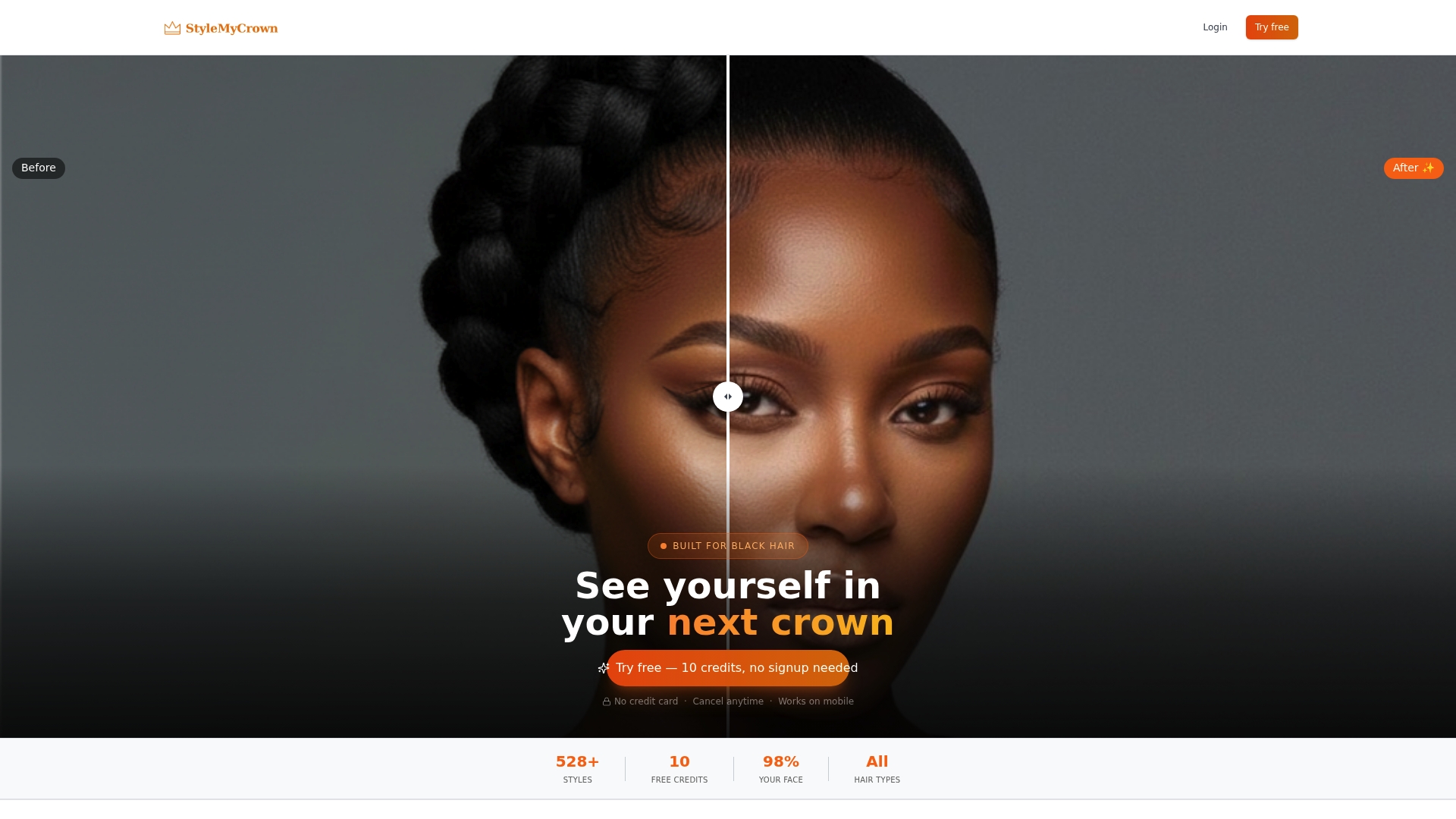
With 10 complimentary credits, you can test a jumbo knotless install next to a Fulani hybrid, try a copper feed-in against your actual skin tone, or see whether a crown braid flatters your hairline before committing to a chair. It won’t braid your hair for you. Installation still happens with a professional stylist, and Stylemycrown’s own stylist catalog can help you find one. But it will save you from spending a full day and a real budget on a style that looked better in theory than it does on you. Head to the style catalog and start previewing before your next braid appointment.
Sources
- The Crown Braid Is Back: Here’s How to Get to the 2026 Version | Allure
- 7 Protective Braid Styles to Opt for in Summer 2026 | Who What Wear
- Micro braids are summer’s hottest hair trend | Harper’s Bazaar


