2 Free Try Ons: Best Gym Hairstyles for Textured Hair

2 Free Try Ons: Best Gym Hairstyles for Textured Hair
The best gym hair rule is simple: choose a secure, low-tension style that matches your hair length and how hard you plan to work, then protect your hairline with satin-lined accessories and a quick scalp refresh after. The American Academy of Dermatology warns that tight styles worn again and again can cause lasting damage, and Cleveland Clinic notes that sweat buildup needs attention too. Tools like StyleMyCrown can help you preview placement before you commit.
TL;DR:
- Braided low buns, high pineapples, and flat twists are quick, secure styles that last multiple days and suit different hair lengths and workout intensities.
- For high-impact workouts, tight braids or cornrows anchored close to the scalp prevent tension and loosened styles, with satin-lined headbands reducing friction.
- Looser styles like low ponytails or half-up twists are preferable for low-impact activities to avoid unnecessary tension and scalp stress.
- Using satin-lined headbands or bands protects against friction and sweat buildup, while removing tight styles promptly prevents traction alopecia.
- Virtual try-on tools help preview hairstyles, ensuring proper placement and tension before committing to a style, especially for protective and protective-looking looks.
Table of Contents
- Quick gym hairstyles by hair length
- Which styles hold up best for your workout intensity
- Protective styles and headwear that actually protect
- Post-workout scalp care to prevent buildup and breakouts
- Warning signs and how to rotate styles safely
- How StyleMyCrown helps you test a style before committing
- Gym hairstyles for fine, curly, and oily hair
- What years of gym days taught me about my hair
- Preview your next gym style before you commit
- Sources
- FAQ
Quick gym hairstyles by hair length
Your length determines what stays put and what falls apart by minute ten. Here is what actually holds up, broken down by how much hair you are working with.
For long hair, three styles earn their keep. A braided low bun keeps hair off your neck and locks in place for even the sweatiest sessions, and it takes about five minutes once you know the pattern. A high pineapple with a wide soft elastic protects curl definition while keeping hair away from your face. Two French braids down the back work well for anyone who wants a polished look that survives burpees and box jumps alike.

Medium-length hair does best with a low ponytail secured by a satin scrunchie, which avoids the tugging that thin elastics cause at the base. A half-up twist, where the top section is twisted and clipped while the rest hangs loose, gives you movement without hair in your eyes. Flat twists close to the scalp are a solid choice when you want something that lasts two or three days without restyling.
Short hair has fewer tie-up options but plenty of styling room. A light non-greasy texturizing spray can define curls or coils for a wash-and-go that survives a cardio session. Cornrows or finger coils pinned back with small clips keep shorter lengths controlled during heavy movement. A satin headband doubles as both a style and a sweat barrier for those with cropped cuts.
- Braided low bun: five minutes, best for multi-day wear, secure with a soft elastic, not metal.
- High pineapple: two minutes, ideal for curl protection, use a satin scrunchie.
- Flat twists: fifteen to twenty minutes, lasts several days, minimal daily upkeep.
- Wash-and-go with texturizing spray: five minutes, best for single-session freshness.
Internal guidance on natural updo hairstyles covers more variations by texture if you want to build a rotation.
Which styles hold up best for your workout intensity
Not every gym day calls for the same style. Matching your hair to the activity, not just your schedule, keeps you from redoing your hair mid-set.
- High-impact workouts like HIIT, running, or weightlifting call for firm braids, cornrows, or a braided bun anchored close to the scalp so movement does not pull at the edges.
- Anchor loose ends with a satin-lined headband instead of a cotton one, since satin reduces friction against the hairline during repeated motion.
- Low-impact activities like yoga, walking, or stretching give you more freedom: a loose bun, a high puff, or a low ponytail all work fine since there is less bounce to fight.
- For cycling or any helmet-based activity, flat styles such as cornrows or flat twists under a thin satin cap cut down on friction and prevent flattening in awkward spots.
- If a style loosens mid-workout, a quick fix is tucking loose strands into the existing braid or twist rather than adding a new tight elastic, which avoids extra tension.
Protective styles and headwear that actually protect
Braids, twists, and locs are some of the most reliable choices for active people because they reduce daily manipulation and make it easier to access the scalp for cleansing between workouts, according to practical guidance on balancing workouts and natural hair. The tradeoff is that they need to be installed loose enough at the hairline to avoid pulling, especially around the temples and nape where hair is thinnest.
Headwear matters as much as the style underneath. Satin-lined bands absorb sweat before it reaches your hairline and reduce the friction that leads to breakage, while cotton sweatbands soak up moisture but can rough up your edges over time. If you wear a wig or weave to the gym, keep the install snug but not tight, and remove it after high-sweat sessions to let your natural hair and scalp breathe.
- Braids and twists: lower daily manipulation, easier scalp access, need loose hairline placement.
- Satin-lined headbands: reduce friction, act as a sweat barrier.
- Wigs and weaves: fine for low-impact sessions, best removed after heavy sweating.
Pro Tip: Keep a spare satin-lined headband in your gym bag so you always have a clean, dry one for the second half of a long session.
For sizing and install advice, twist hairstyles for Black hair breaks down options that hold up well under movement.
Post-workout scalp care to prevent buildup and breakouts
What you do in the ten minutes after a workout matters more than most people think. Blot your scalp and hairline with a clean towel instead of rubbing, which can disturb your style and spread sweat and bacteria. Skip heavy oils on the roots right after exercise since they trap moisture and encourage buildup, according to Cleveland Clinic guidance on scalp care. Save richer oils for mid-lengths and ends instead.
Sweat pimples along the hairline and back of the neck are a common reaction to exercise, and simple habits like showering after workouts and changing out of damp clothes go a long way toward preventing them.
- Blot sweat, do not rub, to protect both scalp and style.
- Co-wash between workouts if your scalp feels product-free; shampoo when you notice buildup or odor.
- Keep a diluted cleanser in a small applicator bottle for quick scalp rinses without unraveling braids.
- Dry your scalp fully before bed to avoid trapping moisture overnight.
Warning signs and how to rotate styles safely
Pain during installation or throughout the day is never something to push through. The American Academy of Dermatology is direct about this: styles that hurt, whether cornrows, tight buns, or tight braids, can lead to traction alopecia over time, and the fix is loosening the style or switching it out entirely.
Rotation is your best defense. Move your part, shift your ponytail from high to low to mid across different days, and alternate protective styles with low-manipulation days so your follicles get a break. If you notice thinning at the edges, persistent headaches from tension, or tenderness that lingers after a style comes down, that is your signal to loosen up or talk to a dermatologist.

How StyleMyCrown helps you test a style before committing
Not sure if a high bun will sit right or if a headband will actually cover your edges? A virtual try-on tool lets you preview a wide range of hairstyles on your own photo before you make any changes. Some services offer complimentary credits to test bun height, edge coverage, or headwear fit, which helps take the guesswork out of choosing a gym look that will work for your face and hairline.
Gym hairstyles for fine, curly, and oily hair
Textured hair is not the only hair type that needs a gym strategy. Fine hair tends to look flat fast under sweat, so a slightly teased low ponytail or a loose braid gives volume without adding tension that fine strands cannot handle. Avoid piling fine hair into a tight high bun, since the added weight and pulling can lead to noticeable thinning at the crown over time.
Curly hair that is not tightly coiled does well with a loose pineapple or a half-up twist that protects curl pattern while keeping hair off a sweaty neck. Skip brushing curls out after a workout, since that tends to create frizz rather than smooth them.
Oily scalps need a different rhythm entirely. A dry shampoo application before a workout can absorb some of the extra oil sweat brings to the surface, and a light rinse afterward keeps the scalp from feeling weighed down. People with oily hair often need to wash more frequently around active weeks, but that does not mean daily heavy shampooing, which can strip the scalp and trigger it to produce even more oil.
Whatever your texture, the goal is the same: reduce tension, manage moisture, and give your scalp room to actually breathe between sessions.
What years of gym days taught me about my hair
I learned the hard way that a tight bun before a run meant a headache by mile two. Now I rotate styles and always choose looser over “neater.” My scalp thanks me for it.
— Christelle
Preview your next gym style before you commit
You do not have to guess whether a bun sits too high or a headband actually covers your edges. Certain virtual try-on platforms provide free credits to try styles on your own photo first, helping you check placement and tension before a stylist ever picks up a comb. Browse the Style Catalog or check the 1 Week Trial, 4 Week Plan, and 12 Week Plan options when you are ready to explore more.
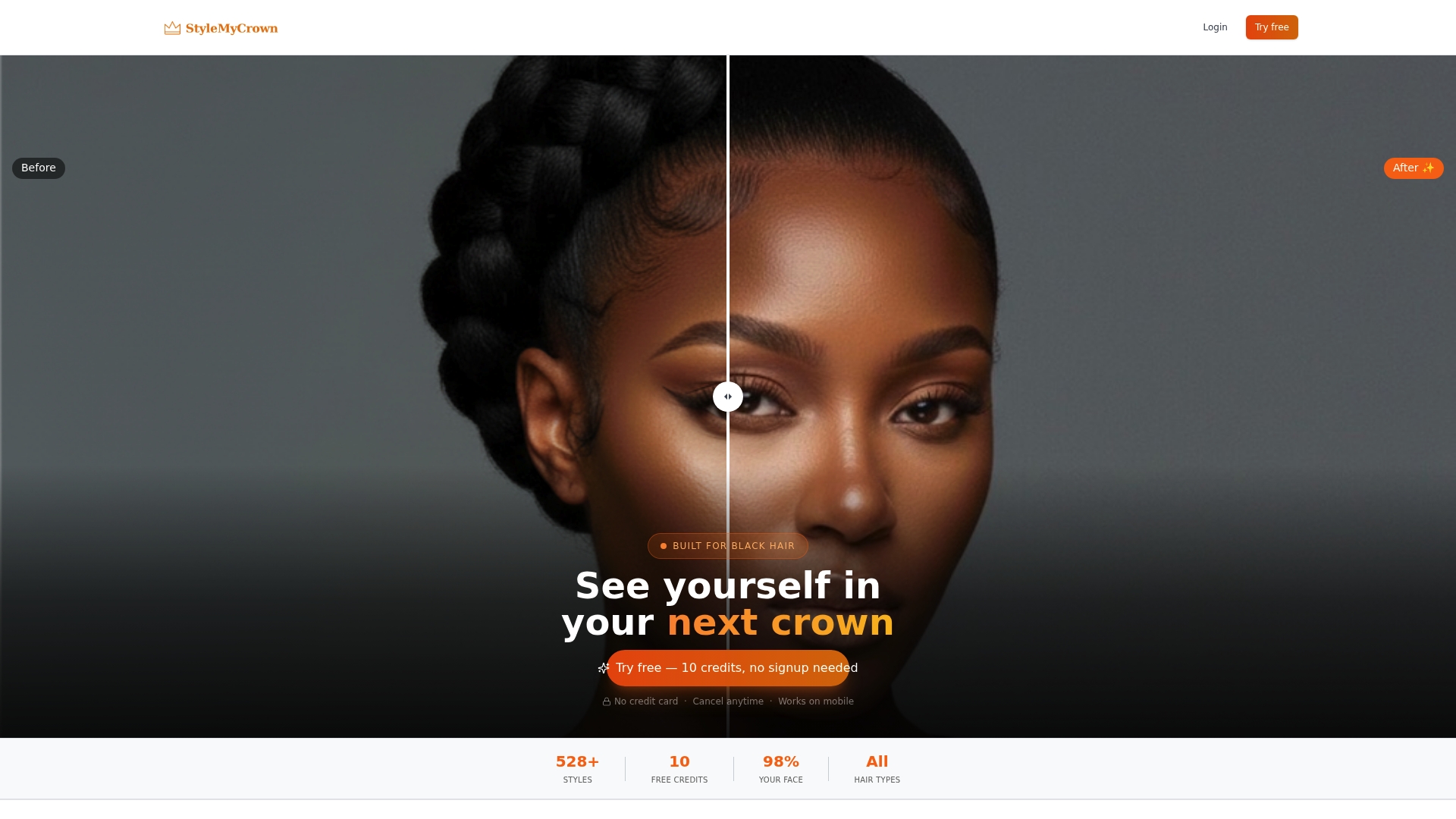
This is not a replacement for the how-to advice above, just a way to see your options clearly before you sit in the chair.
Sources
- American Academy of Dermatology — Hairstyles that cause traction alopecia
- Cleveland Clinic Health — Olive oil for hair
- The Corporate Curly — How to balance workouts and natural hair
FAQ
How should I wear my hair to the gym?
Choose a style that matches your workout intensity: firm braids or a low anchored bun for high-impact training, and a looser bun or ponytail for low-impact sessions. Always keep the hairline loose enough to avoid tension, and use a satin-lined band for extra protection.
How do I keep my hair from getting damaged while working out?
Avoid styles that pull tightly at the edges or nape, since repeated tension can lead to traction alopecia. Rotate your part and tie position across the week and give your scalp regular breaks from tight installs.
What are some sweat-proof hairstyles for the gym?
Braided buns, cornrows, and flat twists hold up well through heavy sweating because they stay close to the scalp and resist unraveling. Pairing any of these with a satin-lined headband adds an extra layer of sweat protection at the hairline.
How do I stop my hair from getting soaked with sweat during workouts?
You cannot fully prevent sweat, but keeping hair off your neck and scalp with a bun, braid, or puff reduces how much moisture gets trapped against your skin. A satin-lined sweatband also helps absorb sweat before it reaches your hairline, and showering soon after your workout lowers the risk of sweat-related skin irritation.
Can StyleMyCrown help me plan a gym hairstyle?
StyleMyCrown lets you preview styles like buns, braids, or puffs on your own photo using two complimentary credits, so you can check placement before committing. It is a helpful way to test tension and coverage, though it works best alongside the practical care tips above rather than in place of them.


