Avoid a Bad Pixie: Preview 528 Short Natural Hairstyles for Black Hair
Avoid a Bad Pixie: Preview 528 Short Natural Hairstyles for Black Hair
Short natural hair is more versatile than it seems. Tapered cuts, TWAs, finger coils, buzz cuts, and frohawks are the top directions for 2026, each delivering a distinct look with its own upkeep level. This guide breaks down 20+ styles with quick how-tos, the styling techniques and products that make them work, and the maintenance rules that keep a shape sharp, including trims every 6–8 weeks and stylist-backed cutting methods.
TL;DR:
- Short natural hairstyles require regular trims every 6 to 8 weeks for tapered cuts and every 8 to 12 weeks for looser styles to maintain shape.
- Cutting on slightly stretched or dry hair helps reduce severe shrinkage, which can make length appear much shorter after drying.
- Protective styles like bantu knots, halo braids, and headwraps help prevent damage and breakage by minimizing manipulation and friction.
- Styling techniques such as finger coils, twist-outs, and flexi-rod sets are effective for defining curls and adding variation without heat damage.
- Climate changes demand product adjustments; heavier creams in dry months and anti-humidity gels in humid months help preserve style integrity.
Table of Contents
- Short Natural Hairstyles Worth Trying in 2026
- How to Style Short Natural Hair Step by Step
- Getting the Cut Right: Shrinkage, Trims, and What to Tell Your Stylist
- What Stylists Want You to Know Before You Cut
- Protective Styling Options When Your Hair Is Already Short
- Common Problems With Short Natural Hair (and Real Fixes)
- Scalp Care That Actually Matters on Short Hair
- Adjusting Short Natural Hair for Humidity and Dry Air
- Why I Think Short Natural Hair Rewards Experimentation
- Preview Your Next Cut Before You Commit to It
- Sources
Short Natural Hairstyles Worth Trying in 2026
There’s no single “best” cut for short natural hair. What works depends on your curl pattern, your face shape, and how much time you actually want to spend in the mirror on a Tuesday morning. The most popular directions for 2026 lean into natural volume and texture instead of fighting it, which is why tapered cuts, buzz cuts, finger coils, and frohawks keep showing up on stylist mood boards. Here’s a working list, organized by how much effort each one asks of you.
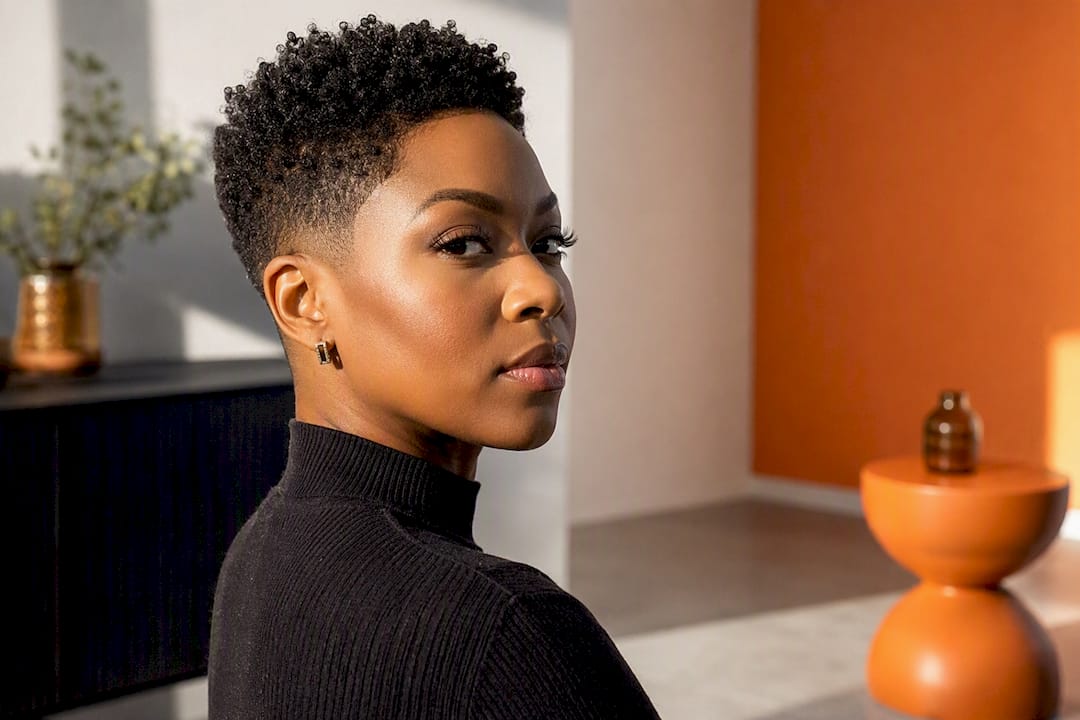
- Tapered cut: Shorter at the sides and back, fuller on top, this shape reads polished for the office and still lets you wear a wash and go on the weekend. Best on coily and kinky textures with any face shape. Low to medium maintenance.
- TWA (teeny weeny afro): The classic post-big-chop length. Define curls with a curl cream and diffuse on low heat, or leave it free for maximum volume. Best on 3C to 4C hair. Low maintenance.
- Tapered TWA: A TWA with the sides cut closer than the crown for extra shape. Works on rounder face shapes needing more angles. Low maintenance.
- Buzz cut: Uniform length all over, cut with clippers. Best for anyone who wants zero styling time and strong bone structure to carry the closeness. Very low maintenance.
- Finger coils: Wet hair sectioned into small pieces, twirled around one finger with a curl gel to set defined spirals. Best on shorter 4A to 4C hair. Medium maintenance since coils need nightly protection.
- Frohawk: Sides pinned, twisted, or braided flat while the center strip stays full and free, mohawk-style. Great for 4B to 4C hair on any face shape when you want drama for one night. Medium maintenance.
- Finger waves: Gel-set S-shaped waves combed close to the scalp, a vintage look that works surprisingly well on short natural lengths. Best on relaxed edges or looser coils. Medium maintenance due to set time.
- Short braided looks (mini box braids or three-strand twists): Braided directly into the natural hair without extensions for texture and definition. Works on most curl types. Low maintenance once installed.
- Halo braid: A single braid wrapped around the head like a crown, using your own length pinned strategically. Best on hair with at least two inches of length. Medium maintenance for pinning.
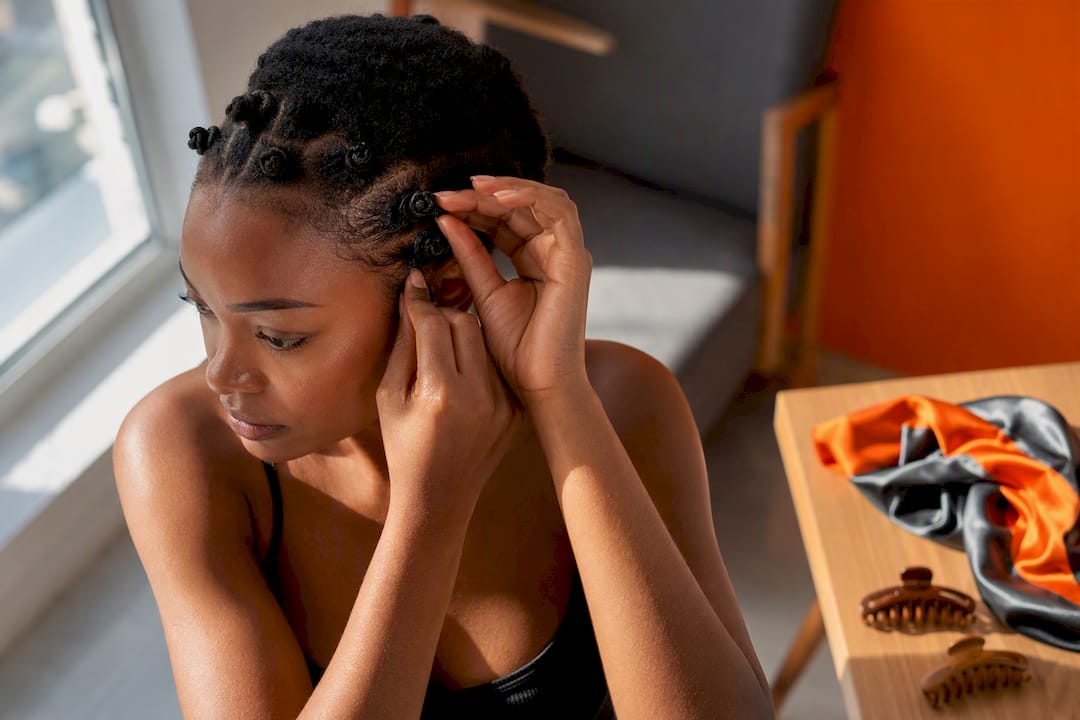
- Bantu knots: Sections twisted and coiled into small knots against the scalp, worn as-is or unraveled the next day for a crimped texture. Works on all coil patterns. Low maintenance, dual-purpose as a curl-setting method.
- Twist-outs: Two-strand twists set overnight or air-dried, then separated for a fuller, defined curl. One of the most reliable heatless techniques for short natural hair. Medium maintenance.
- Flexi-rod curls: Foam rods set on damp hair to create bouncy, uniform curls without heat damage. Best for adding length illusion to a TWA. Medium maintenance.
- Slicked-back puff: Edges smoothed with gel, remaining hair pulled into a small puff or left loose in back. Fast, elegant, works on any texture with at least an inch of length. Low maintenance.
- Colored TWA: The same teeny weeny afro shape with a bold color placed at the crown or part line for instant visual change. Best when you want impact without cutting anything. Medium maintenance for color upkeep.
- Shaved-side TWA: One or both sides shaved to the scalp with a curl pattern preserved on top, a striking TWA variation for anyone bored with a uniform afro. Low maintenance.
- Pin curls: Small sections wrapped flat against the head and pinned, unwound for soft waves without heat. Works well on shorter length transitioning hair. Medium maintenance.
- Rag curls: Fabric strips twisted through damp sections overnight for a bouncy, heatless curl set. Good for any curl type. Medium maintenance.
- Accessorized TWA: A plain afro paired with a headwrap, silk scarf, or statement earrings to change the entire vibe without touching the hair. Low maintenance, high payoff.
- Cropped pixie with undercut: A defined top with buzzed or faded sides, offering sharp contrast for square or oval face shapes. Medium maintenance for the fade upkeep.
- Mini afro puffs (two-puff style): Hair sectioned into two small puffs, playful and quick. Best on 4A to 4B hair with at least two inches of growth. Low maintenance.
- Wash and go: Curls cleansed, conditioned, and left to air-dry or diffuse with a curl-defining cream, no manipulation required. Works on nearly every texture. Low maintenance, though results vary by curl pattern.
How to Style Short Natural Hair Step by Step
Technique matters more than product count when your hair is short. Here’s how to execute the five methods that show up most often on the list above.
- Finger coils: Start on wet or damp hair. Apply a pea-sized amount of curl gel to a small section, then wrap it around your index finger from root to tip. Release gently and let it air-dry or sit under a dryer.
- Twist-outs: Section damp hair into four to six parts. Apply a curl cream, then two-strand twist each section. Let dry completely (this takes patience, but wet unraveling causes frizz), then separate gently with your fingers.
- Wash and go: Apply a leave-in conditioner to soaking wet hair, followed by a curl-defining cream and a light gel for hold. Scrunch upward and avoid touching until fully dry.
- Flexi-rod sets: On damp hair with a setting lotion applied, wrap small sections around foam rods from ends to roots. Sleep in them or sit under a dryer for an hour, then remove and separate.
- Sponge definition: Use a curl-defining sponge in a circular motion over product-coated hair to coax coils into formation. This works fast on very short lengths where fingers can’t grip much hair.
Product choice depends on the goal. For definition, reach for a curl cream or curling custard. For stretch and elongation, a leave-in conditioner followed by a light mousse keeps curls from clumping too tight. For slicked styles like puffs or finger waves, an edge control or strong-hold gel is non-negotiable. A lightweight oil (grapeseed or jojoba) seals moisture in without weighing down short strands.
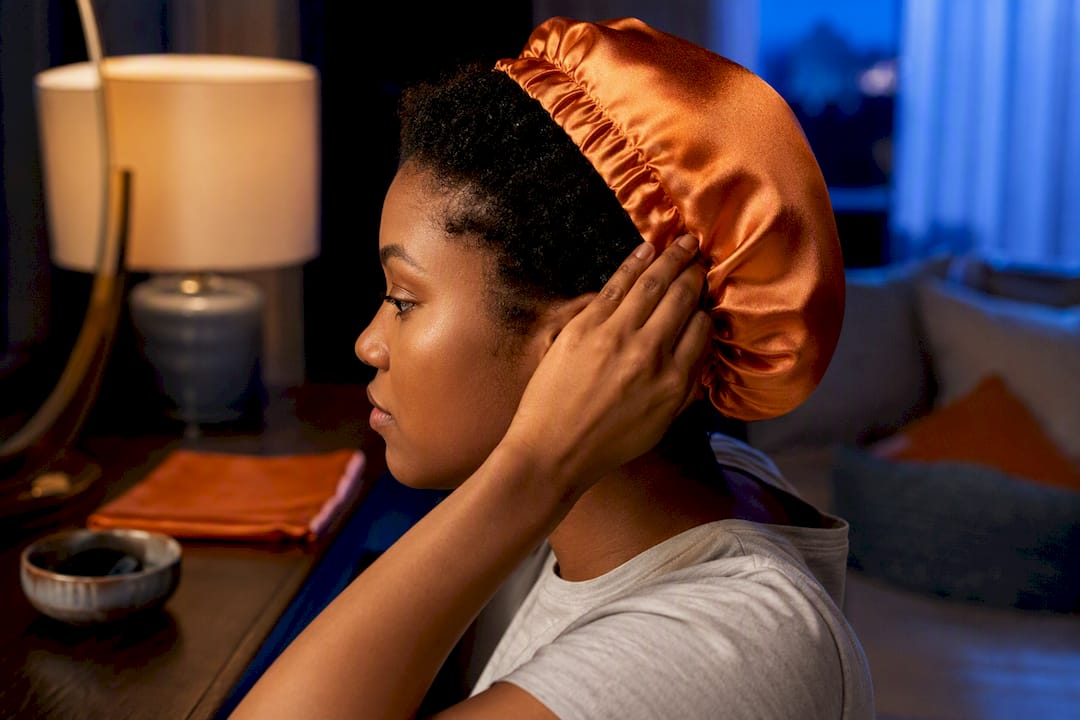
Protect the work you just did. A satin bonnet or a satin pillowcase prevents the friction that unravels coils and twist-outs overnight, and it costs far less than redoing your style every morning.
Pro Tip: Limit sponge use to once or twice a week. Frequent, aggressive sponging is a mechanical stress that can increase breakage risk on fragile or over-processed strands, so save it for when you actually need fast definition, not as a daily habit.
Getting the Cut Right: Shrinkage, Trims, and What to Tell Your Stylist
Curl pattern shrinks. A curl that measures eight inches stretched can look like three inches once it springs back, which is exactly why stylists cut short natural hair dry or on slightly stretched strands rather than soaking wet. Cutting wet hair without accounting for shrinkage is the single most common reason clients leave the chair with far less length than they expected.
Trim cadence depends on how precise your shape is:
- Tapered cuts and defined pixies: every 6 to 8 weeks to preserve the line.
- Looser shapes like a TWA or frohawk: every 8 to 12 weeks, since a little extra growth reads as intentional volume rather than a blown-out edge.
Bring specifics to your appointment. Ask your stylist how they plan to handle shrinkage, whether they’ll cut dry or stretched, and how they’ll shape around your particular curl pattern rather than applying a one-size cut. Bring two or three reference photos, including one of your current length and one of the shape you want.
Between visits, refresh with a light mist of water and leave-in conditioner, re-twist edges that have loosened, and resist the urge to trim your own hairline with kitchen scissors. Save shape corrections for a trained hand.
What Stylists Want You to Know Before You Cut
Curly and coily cuts need tailored shaping, not a template. Stylists at Revlon Professional emphasize identifying your curl pattern before a single snip, because a cut that ignores your texture won’t move the way it should once it dries. Tapered shapes, in particular, earn their popularity by pulling double duty: polished enough for a boardroom, loose enough for a wash and go on Saturday.
Before your next appointment, take three photos: straight-on, profile, and a shot of your crown from above. Then use a virtual try-on tool to test two or three shapes against your actual face and hairline. Stylemycrown’s platform holds more than 528 curated styles built specifically for Black hair textures, and the first 10 credits are free, so you can compare a tapered cut against a frohawk before anyone touches your hair.
Protective Styling Options When Your Hair Is Already Short
Protective styling isn’t just for length retention on longer hair. Short natural hair benefits just as much, since ends are more exposed to friction from collars, hats, and pillowcases relative to the rest of the strand.
Bantu knots double as a protective style and a curl-setting method, so you get definition and edge protection in one step. Mini twists, done directly into your natural length without added hair, shield strands from daily manipulation while still looking finished enough to wear in public. A halo braid pulls hair up and off the neck, reducing the rubbing that happens with scarves and jacket collars during colder months.
Headwraps and silk scarves count as protective styling too, and they’re the fastest way to change your entire look without touching a single strand. Wrap technique matters: a loose satin scarf tied at the nape protects edges, while a tightly pulled wrap along the hairline for weeks at a time can cause tension and thinning at the temples.
The lower-manipulation rule applies across all of these: the less you touch, comb, and restyle short hair day to day, the longer any given style holds and the less breakage you’ll deal with at your next trim. Rotate between two or three protective options rather than wearing one style until it looks tired.
Common Problems With Short Natural Hair (and Real Fixes)
Dryness that hits fast. Short strands have less surface area to hold onto product, so moisture evaporates quicker than it does on longer lengths. Fix it by applying a recommended home hair repair treatment to restore moisture and elasticity, using leave-in conditioner on damp, not dry, hair, and sealing with a lightweight oil.
Frizz that undoes a twist-out by noon. This usually traces back to unraveling twists while they’re still damp. Let twists dry completely, ideally overnight, before separating, and use a gel with real hold rather than just a cream.
Uneven curl definition across the head. Curl pattern often varies from crown to nape on the same head, which means one product won’t behave the same way everywhere. Layer a curl cream underneath a gel on looser sections and skip the gel where curls are already tight and springy.
Flat crown, full sides (or the reverse). This is often a cutting issue, not a product issue. Bring it up directly with your stylist and ask for weight removed or added at the specific spot that’s falling flat.
Awkward growing-out stage. The two-to-four-inch mark between a TWA and a longer style is genuinely hard to manage. Bantu knot-outs, twist-outs, and a good headwrap rotation get you through it without an emergency trip back to the buzzer.
Scalp Care That Actually Matters on Short Hair
Your scalp is closer to the surface on short natural hair, which means product buildup, dryness, and irritation show up faster and more visibly than they would under longer coils.
Wash your scalp on a schedule that matches your activity level and climate, generally every 5 to 9 days, using a sulfate-free shampoo that cleanses without stripping. Between washes, a scalp oil or lightweight serum applied directly to the skin (not just the hair) keeps flaking and tightness at bay, especially if you wear satin caps or wraps overnight that can trap heat.
Check for tension. Styles like tight twist-outs, frohawks pinned at the sides, or a shaved-side TWA that’s edged too often can create low-grade tension along the hairline. If you notice tenderness, redness, or small bumps at the follicle, ease up on tight styling for a week and let the scalp reset.
Exfoliation isn’t just a skincare word. A gentle scalp scrub once every couple of weeks lifts dead skin and product residue that a regular wash misses, particularly useful if you use heavier creams or gels for definition. Massage stimulates blood flow to the follicle too, which is a simple, free habit worth doing while you condition.
Adjusting Short Natural Hair for Humidity and Dry Air
Climate changes your styling routine more than almost any other factor when your hair is short, because there’s so little length to buffer moisture swings.
In humid months, expect curls to swell and frizz faster, especially on wash-and-go styles. Anti-humidity gels with a firmer hold help curls keep their shape instead of expanding into a halo of frizz by midday. Twist-outs also hold up better in humidity than loose wash-and-gos, since the twisted structure resists swelling.
In dry, cold months, the opposite problem takes over: hair loses moisture fast and static becomes a real nuisance on shorter lengths. Switch to heavier creams and butters instead of lightweight lotions, and cut back on how often you shampoo, since dry air already strips moisture without help from sulfates. A humidifier in your bedroom does more for short natural hair overnight than most people expect.
Seasonal transitions (spring to summer, fall to winter) are also a good checkpoint to reassess your trim schedule and product lineup rather than sticking with whatever worked three months ago.
Why I Think Short Natural Hair Rewards Experimentation
Confidence with short natural hair comes from trying things, not from finding one “correct” style and freezing there. Preview a bold change (a frohawk, a color, a shaved side) before committing, and let the choice reflect who you actually are, not just what’s trending.
— Christelle
Preview Your Next Cut Before You Commit to It
Cutting short natural hair is a commitment. Unlike a bad blowout that grows out in a week, a pixie or TWA you regret sits with you for months, which is exactly the risk Stylemycrown’s virtual try-on tool was built to remove. Upload a photo and test a shape, a color, or a fade against your actual face before a single strand gets cut.

The style catalog holds more than 528 curated looks built specifically for Black hair textures, and your first 10 credits cost nothing. Test a tapered cut against a frohawk, screenshot the ones you like, and bring them straight to your appointment instead of describing what you want from memory. When you’re ready to book the cut, the stylist catalog connects you with professionals who can execute the exact shape you previewed.
Sources
- Short natural hairstyles (NewBeauty)
- Curly Pixie Cut: Everything You Need to Know - Revlon Professional
- Pixie cuts on natural hair - InStyle
- 17 Short Natural Hairstyles That Are Anything But Boring — Allure


